Television screens have dominated living rooms for decades. However, a major shift is happening in home entertainment today.
Many buyers now choose modern projector setups instead of traditional television displays. Movie fans and casual viewers alike want massive screens without paying massive prices. This detailed guide explains why so many households are making the switch.
1. The Rise of Big Screen Home Entertainment
Living room habits have changed dramatically over the last few years. Streaming platforms release blockbusters directly to audiences at home. Because of this change, families want a true cinema feel in their own living spaces.
Traditional smart TVs offer sharp pictures, but their physical size remains limited. Most standard living rooms feature displays between 55 inches and 75 inches. Going beyond those dimensions with a standard display becomes expensive very quickly.
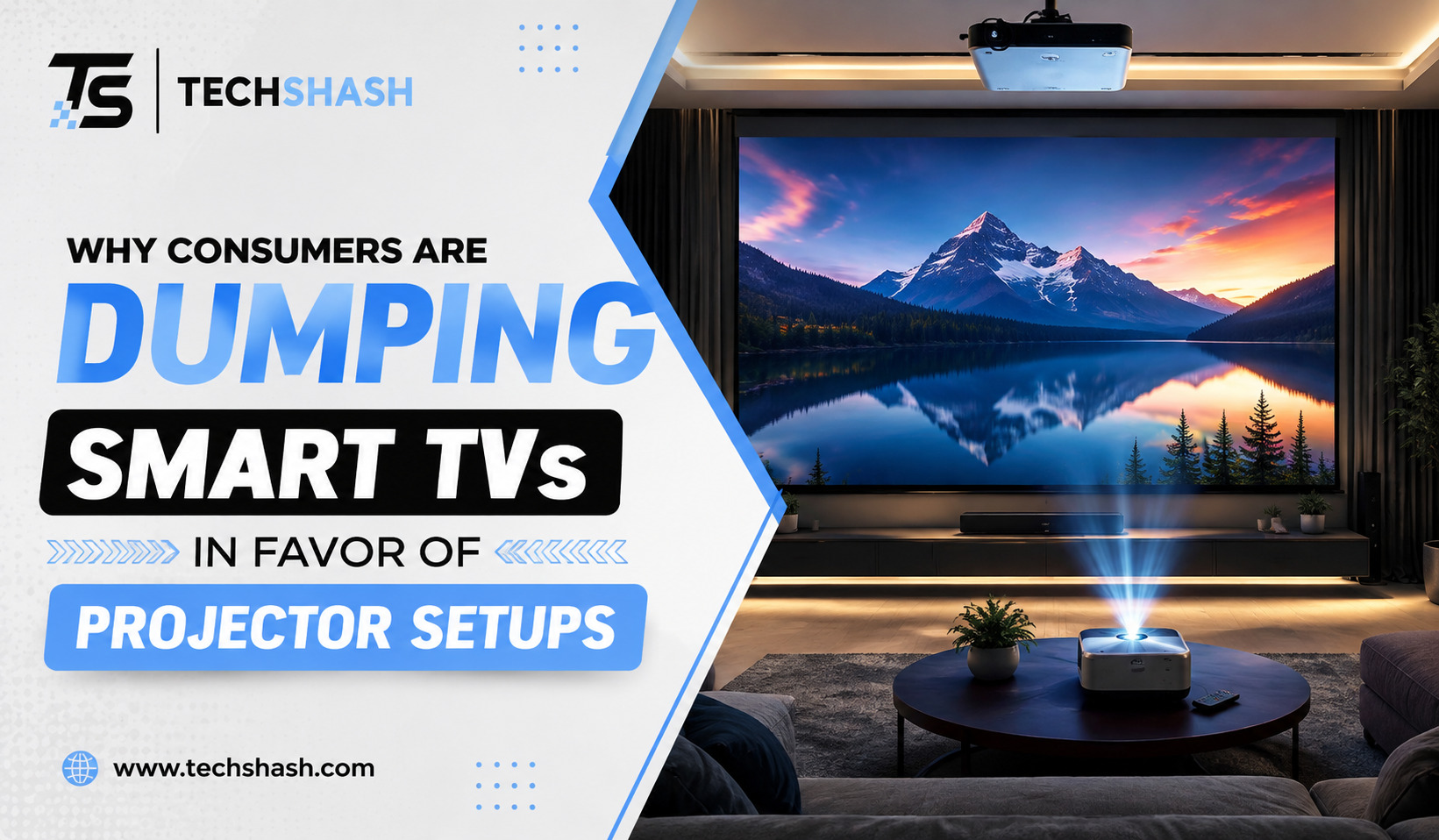
People want an immersive visual experience that fills their field of view. Projection technology delivers giant visuals that transform normal living rooms into personal movie theaters. Consumers are realizing that older display hardware cannot match this level of atmosphere.
As light technology improves, projectors are no longer restricted to dark basements. Modern units project bright images that look great in everyday lighting conditions. This technical progress makes screen projection a practical option for ordinary households.
2. Unbeatable Screen Size for the Price
The most obvious reason people choose projection equipment is sheer display scale. A standard television panel reaches a hard limit where manufacturing costs skyrocket. Projectors bypass this physical barrier entirely by beaming light onto walls or screens.
Huge Display Options
A standard projector can easily create an image measuring 100 inches to 150 inches across. Achieving that scale with a flat-panel display requires specialized commercial hardware.
You can adjust your display size whenever you want. A quick lens shift or physical adjustment changes your image from 80 inches to 120 inches in seconds. That kind of versatility is completely impossible with fixed glass panels.
Cost Per Inch Comparison
When you compare cost per inch of viewable area, projection equipment wins easily. Buying an 85-inch television costs a significant sum of money. Purchasing a 100-inch or 120-inch television requires a massive financial commitment that most buyers cannot justify.
By contrast, a quality high-definition projector costs a fraction of that price. You receive a lower cost per diagonal inch while gaining a much larger viewing surface. Budget-conscious shoppers recognize this financial value immediately.
The math makes total sense for sports fans and movie lovers. You spend less total money while securing a picture that is nearly double the size of standard televisions.
3. Better Eye Comfort with Reflected Light
Screen fatigue is a serious health concern for people who watch videos for hours. Staring directly into bright LED backlights causes direct stress on your eyes. Projection devices work differently, which creates a gentler visual experience for your family.
Direct Light Versus Reflected Light
Televisions emit direct light straight into the eyes of the viewer. That direct beam causes glare and speeds up visual fatigue over long viewing sessions.
Projectors bounce light off a wall or dedicated fabric before it reaches your eye. This process uses indirect reflected light that mimics how human eyes perceive objects in the natural world. Because the light source does not point at your face, viewing feels soft and comfortable.
Reduced Blue Light Fatigue
Direct digital displays emit high concentrations of blue light waves. These blue light waves can disrupt sleep schedules and cause painful ocular strain during nighttime watching.
Reflected projection light naturally diffuses harsh wavelengths before they reach your eyes. Viewers report significantly fewer headaches during long movie marathons. Parents also appreciate this softer visual output for their children during weekend cartoon sessions.
Long hours of gaming or binge-watching feel noticeably easier on your visual system. Your eyes stay relaxed because light levels remain balanced across the whole wall surface.
4. The Modern Magic of Ultra Short Throw Technology
Older projection units required long distances to throw large images. They had to sit on high rear shelves or mount directly onto ceiling brackets. Modern ultra short throw hardware changes everything about room placement.
Compact Space Requirements
An ultra short throw projector sits right against your main wall on standard media furniture. It uses specialized angled mirrors to cast a massive 100-inch picture from just inches away.
This design eliminates long cable runs across room floors or ceiling mounts. You do not need a deep dedicated theater room to enjoy giant visuals anymore. Small apartments and modest bedrooms work perfectly with this modern equipment.
Easy Ambient Light Viewing
Older bulbs struggled against sunlight coming through open windows. New models utilize bright laser light engines that produce strong brightness levels.
When paired with ambient light rejecting screens, these systems look vivid even with overhead lights turned on. Colors remain rich, and contrast levels stay sharp throughout daytime hours. Viewers no longer need blackout curtains just to watch afternoon news or sports.
The gap between television contrast and projection brightness has closed dramatically. Consumers can now enjoy bright daytime viewing alongside giant nighttime cinema experiences.
5. Sleek Home Aesthetics and Space Saving
Interior design plays a huge role in home electronic purchases today. Massive black glass rectangles tend to dominate room decoration in negative ways. Projection systems offer a clean alternative that pleases interior designers and minimalists.
No Big Black Box on the Wall
When a 75-inch television turns off, it leaves a huge dark void on your wall. That dead space ruins balanced wall decoration and draws negative visual attention.
A projector turns off completely at the end of a show. The wall behind it becomes clean space again, leaving room for artwork, wallpaper, or painted surfaces. Your living area feels open and free of electronic clutter when entertainment time ends.
Flexible Room Designs
Frameless motorized screens can roll up into tiny ceiling housings at the push of a button. Alternatively, you can project directly onto a smooth white or gray wall surface.
This flexibility lets you arrange furniture without designing the whole room around a giant monitor. You gain total freedom over wall placement and decor choices. Minimalist room aesthetics become much easier to achieve when massive electronics disappear completely upon shutdown.
Households appreciate having a clean living area during daylight hours. Entertainment equipment only appears when someone actually wants to watch content.
6. Enhanced Smart Features and Built-in Streaming
Early projection units were just basic monitors that required external media boxes. Modern devices come equipped with full operating systems built directly into their internal hardware.
Modern OS Integration
Current units ship with operating systems like Android TV, Google TV, or proprietary smart platforms. You turn the power on and instantly access native applications like Netflix, YouTube, Prime Video, and Hulu.
System navigation feels fast and responsive, just like a high-end smart television. Remote controls include built-in voice search tools so you can find movies without typing. Everything runs inside a single device without mess or complex menus.
Wireless Connectivity Convenience
Modern hardware features high-speed Wi-Fi, Bluetooth audio output, and screen casting protocols. You can stream video content straight from your smartphone or laptop without connecting extra wires.
Bluetooth audio support lets you connect wireless headphones or soundbars instantly. This built-in tech eliminates complex wiring setups that used to scare average consumers away. Integrated streaming operating systems make operating these devices just as simple as turning on a standard television set.
You get all the modern software features of a smart screen paired with massive projection optics. Smart features are now standard across almost all consumer models.
7. Simple Setup and Portability Advantages of Projector Setups
Setting up early home theater equipment was difficult for average consumers. Today, automated correction tools make installation fast and frustration-free for anyone.
Quick Plug and Play Installation
Modern projector setups include automatic focus and automatic keystone correction tools. When you place the unit down, internal sensors analyze the wall angle automatically.
The device adjusts image geometry and sharpens picture focus within a few seconds. You do not need to calculate throw ratios or manually adjust physical dials anymore. Anyone can take a unit out of its box and start watching movies immediately.
Moving Entertainment Anywhere
Giant flat screens are heavy, fragile, and almost impossible to relocate easily. Moving a 75-inch glass panel to another floor requires multiple people and extreme caution.
Compact projection units weigh only a few pounds and fit into standard backpacks. You can move your viewing space from the living room to the backyard for outdoor movie nights. Portable entertainment hardware lets you take big-screen entertainment to friend gatherings or vacation rentals effortlessly.
| Feature | Standard Smart TV | Modern Projector Setup |
| Screen Size Range | Fixed (55 – 85 inches) | Flexible (80 – 150+ inches) |
| Cost for 100+ Inch Picture | Very High | Affordable |
| Eye Comfort | Direct Light (Higher Strain) | Reflected Light (Lower Strain) |
| Wall Space Impact | Permanent Black Screen | Disappears When Powered Off |
| Portability | Heavy and Stationary | Lightweight and Mobile |
This portability expands how families consume media throughout the year. Your screen is no longer trapped in a single room on a single wall.
8. Key Takeaways
- Massive Screen Value: Projection gear offers 100-inch to 150-inch display surfaces for a fraction of big-screen television costs.
- Gentle Eye Experience: Reflected light reduces eye fatigue and blue light exposure during extended viewing hours.
- Space-Saving Designs: Ultra short throw devices project massive pictures while sitting just inches from the front wall.
- Clean Home Decor: Walls remain clear of giant black glass panels whenever the projection system is powered down.
- Integrated Smart Tech: Built-in streaming operating systems deliver instant access to popular entertainment applications.
- Easy Portability: Lightweight units allow rapid setup anywhere inside your home or outside in the backyard.
9. FAQs
Do projector setups work well in rooms with open windows?
Yes, modern laser models paired with ambient light rejecting screens provide bright images even in well-lit rooms.
How long do laser projector light sources last before needing replacement?
Most modern laser light engines last for 20,000 to 30,000 hours of regular viewing use.
Do I need to buy expensive external speakers for my system?
While external sound systems improve the experience, most modern units include built-in speakers for everyday listening.
Can I project an image directly onto a normal painted wall?
Yes, you can project directly onto a smooth white or light gray wall surface without buying a screen.
Are modern projection devices good choices for fast-paced video games?
Yes, modern gaming units feature high refresh rates and low input lag for smooth gameplay performance.
10. Conclusion
Smart televisions served home entertainment well for many years, but visual standards are changing fast. Consumers want larger pictures, better eye comfort, and cleaner room designs than glass panels can provide. Modern projector setups deliver all these benefits while staying budget-friendly for average households. Switching to projection technology offers a superior home cinema experience that traditional televisions simply cannot match.