Many people struggle with low energy during the day and difficulty falling asleep at night. The main cause is often improper indoor exposure to light, which disrupts our internal biological clock. Adopting a smart lighting circadian rhythm setup offers an effective solution by aligning artificial indoor illumination with natural sunlight patterns. This complete guide explains how these intelligent lighting systems work and how you can use them to improve your daily sleep and health.
1. Understanding the Science of Circadian Rhythms and Light
The human body operates on a natural twenty-four-hour cycle known as the circadian rhythm. This internal clock controls vital bodily functions, including hormone production, body temperature, digestion, and sleepiness.
Sunlight is the primary external signal that keeps this biological clock synchronized. When bright natural light enters your eyes, your brain receives a direct signal that it is time to stay awake and alert.
Specialized receptor cells inside the human retina called ipRGCs detect specific light wavelengths. These cells transmit signals directly to the suprachiasmatic nucleus, which acts as the master control center of the brain.
When daytime light is strong, the brain suppresses the production of melatonin, the hormone responsible for sleep. At the same time, the body releases cortisol, a hormone that increases alertness and physical energy.
Artificial indoor environments often disrupt this fragile biological cycle. Traditional electrical light bulbs emit constant color temperatures that do not change throughout the day, confusing the internal clock of the body.
Spending prolonged hours under bright static lights during the evening tricks the brain into believing it is still daytime. Consequently, melatonin production is delayed, leading to late-night insomnia and morning fatigue.
2. How Light Color and Intensity Affect Human Sleep Cycles
Light affects human biology through two main properties: color temperature and brightness. Color temperature is measured in Kelvins, ranging from warm yellow hues to cool blue tones.
Natural sunlight shifts continuously from morning to night. Early morning sunlight has a warm hue, midday sun shifts to intense blue-white light, and sunset returns to a soft orange tone.
The Role of Blue Light During Daytime
Blue wavelength light, which ranges between four hundred fifty and four hundred eighty nanometers, stimulates high mental alertness. Exposure to blue-enriched light during morning hours helps clear brain fog and improves reaction time.
However, exposure to blue light after sunset poses serious health risks. It prevents the pineal gland from releasing melatonin at the proper time, shifting your internal clock backward.
The Power of Warm Amber Light for Evening Relaxation
Warm light, ranging from eighteen hundred to twenty-seven hundred Kelvins, contains minimal blue wavelengths. This warm illumination tells the brain that the day is coming to a close.
Switching to warm light in the evening allows melatonin levels to rise naturally. This transition helps prepare your mind and body for deep, restful sleep.
Intensity, measured in lux, is equally important. Dimming your lights two hours before bedtime reduces sensory stimulation, allowing your heart rate and nervous system to relax.
3. The Technology Behind Smart Lighting Systems
Modern intelligent illumination systems use advanced hardware and software to replicate natural daylight shifts indoors. These systems combine customizable LED hardware with automated software routines.
Tunable White LED Bulbs
Tunable white bulbs contain multiple internal light-emitting diodes that produce different color temperatures. The system mixes these individual diodes to create light ranging from crisp cool white to deep warm amber.
Unlike standard dimmable bulbs that only decrease brightness, tunable LEDs change their actual light spectrum while adjusting intensity levels.
Automation Protocols and Astronomical Schedules
Smart control hubs use your geographical location to calculate precise sunrise and sunset times. The central software automatically adjusts light settings based on the position of the sun in your region.
You can set customized schedules that change light output gradually over several hours. This gradual shifting prevents sudden environmental changes that can startle your visual sense.
Sensor Integration and Smart Assistants
Integrated motion and ambient light sensors monitor room conditions continuously. When natural daylight enters through a window, smart sensors dim artificial bulbs to save electrical energy.
Users can also control these light setups using mobile applications or automated voice commands. This flexibility ensures that manual overrides are always available whenever personal schedules change.
4. Key Benefits of Integrating Smart Lighting Circadian Rhythm Features
Integrating automated human-centric lighting into your indoor living spaces delivers significant physical and mental advantages. By recreating natural light cycles, these devices support optimal biological performance.
Improved Sleep Quality and Faster Sleep Onset
One primary advantage of a smart lighting circadian rhythm schedule is faster sleep onset. By reducing blue light exposure during evening hours, your body produces melatonin on its proper natural schedule.
Users often report falling asleep faster and experiencing fewer awakenings during the night. Wakefulness in the morning becomes easier because light gradually brightens before your alarm sounds.
Increased Daytime Energy and Mental Focus
Bright, blue-enriched light during morning hours increases mental focus and reduces daytime sleepiness. Employees working under circadian lighting demonstrate higher concentration levels and fewer afternoon energy crashes.
Consistent daylight exposure also supports stable mood regulation by aiding the production of serotonin, a neural hormone linked to happiness and emotional balance.
Reduced Eye Strain and Visual Fatigue
Static overhead lighting can cause significant eye strain, headaches, and physical discomfort over long working hours. Auto-adjusting brightness levels reduce harsh glare on computer screens and physical work surfaces.
Proper dimming during late evening hours also lowers visual strain, allowing your eyes to rest comfortably while reading or relaxing.
5. Practical Ways to Set Up Circadian Smart Lighting in Your Home
Setting up human-centric lighting does not require complex electrical engineering skills or expensive home renovations. You can transform your living space by following a clear, step-by-step approach.
Step 1: Evaluate Your Home Environment and Lighting Needs
Begin by identifying which rooms require circadian support the most. Bedrooms, home offices, and living rooms are the primary spaces where light color shifts matter most.
Observe how much natural daylight each room receives through windows during the morning and afternoon. Rooms with limited window access will benefit most from bright artificial daylight stimulation.
Step 2: Select the Right Smart Bulbs and Fixtures
Choose smart bulbs that explicitly feature tunable white technology across a wide Kelvin range. Look for products that span from two thousand Kelvins for night use up to six thousand Kelvins for morning focus.
Ensure that the bulbs offer a high Color Rendering Index, ideally ninety or above. High color rendering ensures that indoor colors appear natural and pleasing to human eyes.
Step 3: Configure Your Automation Schedules
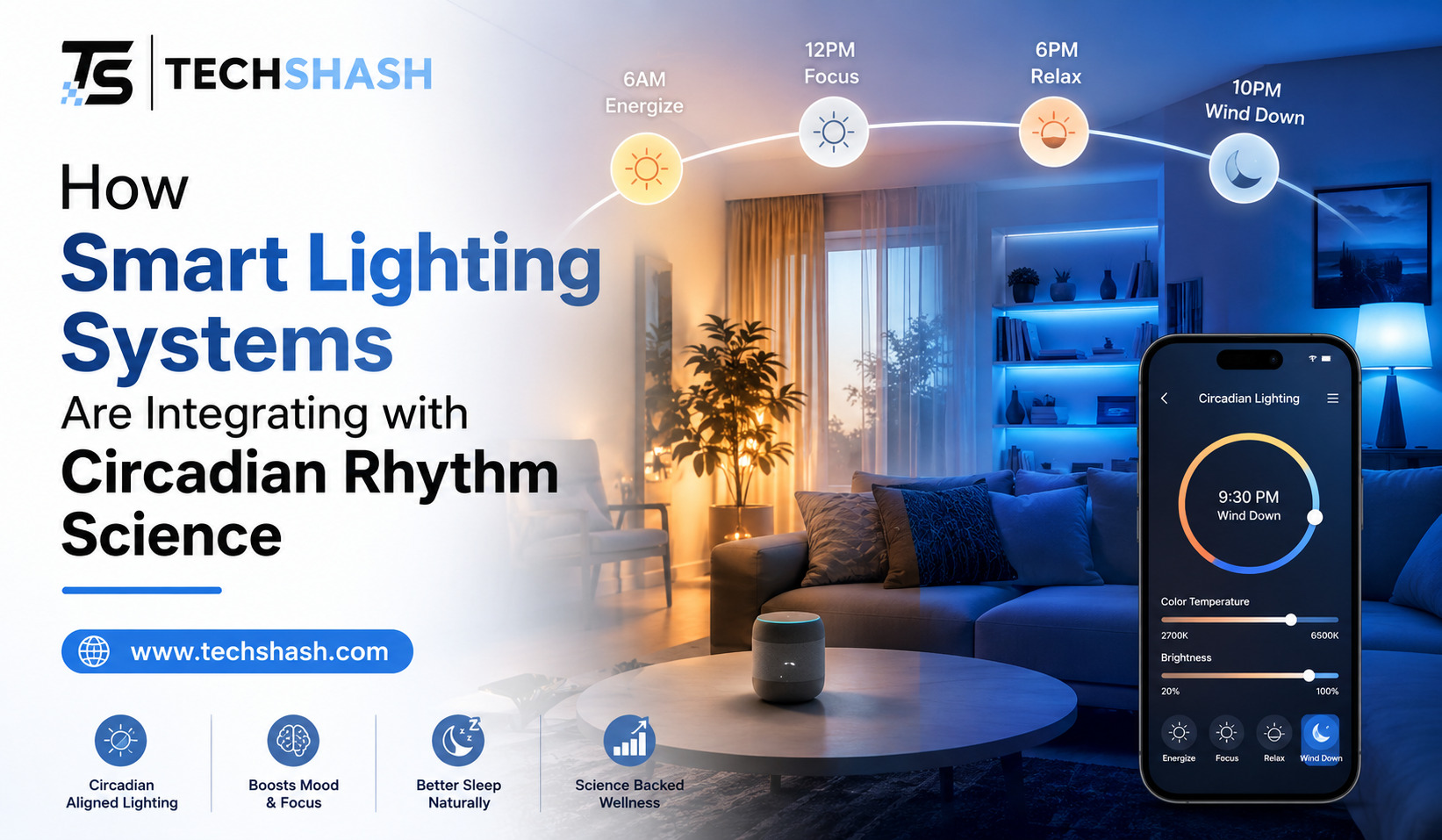
Program your smart hub or mobile application to follow a simple four-stage daily lighting schedule:
- Morning (06:00 AM to 09:00 AM): Set lights to brighten gradually from warm yellow to bright cool white at four thousand Kelvins.
- Midday (09:00 AM to 05:00 PM): Maintain a steady, bright cool light around five thousand Kelvins to maximize focus and work output.
- Evening (05:00 PM to 09:00 PM): Slowly reduce overall brightness and shift color temperature down to twenty-seven hundred Kelvins.
- Night (09:00 PM onward): Dim lights to twenty percent intensity with a warm amber tone around two thousand Kelvins or lower.
Step 4: Establish Nighttime Light Rules
Avoid exposing your eyes to harsh overhead light if you wake up during the night. Program motion sensors in hallways and bathrooms to activate low-intensity night lights with zero blue spectral content.
This precautionary measure prevents your brain from stopping melatonin production during quick bathroom visits, allowing you to return to sleep quickly.
6. Potential Challenges and Limitations of Circadian Smart Lighting
While circadian light management provides clear health advantages, users should consider several practical limitations before buying systems. Understanding these potential issues helps set realistic expectations.
High Initial Hardware Costs
Investing in high-quality tunable smart bulbs, bridge hubs, and specialized light fixtures requires a larger initial budget than buying standard LED bulbs.
Replacing every light fixture across a large home can become costly. Prioritizing key areas like the bedroom and home office is a sensible approach for budget-conscious consumers.
Network Dependence and Technical Glitches
Intelligent light systems rely heavily on stable home wireless networks and local control hubs to execute automation schedules.
If your home internet router fails or experiences signal dropouts, scheduled lighting shifts may freeze or reset to factory defaults. Manual overrides through wall switches remain necessary backup solutions.
Screen Usage Interference
Automated room lighting cannot completely counter the negative effects of looking directly at unshielded electronic screens.
Using bright smartphones, tablets, or computer screens without night filters late at night will still suppress melatonin release, regardless of how soft your ceiling lights are.
7. Future Innovations in Human-Centric Smart Lighting
The science of human-centric indoor light design is advancing rapidly alongside micro-processor developments. Emerging technologies will soon make indoor illumination even more responsive to personal biology.
Wearable Device Integration
Future smart home systems will connect directly with personal fitness trackers and health smartwatches. The lighting system will adjust room brightness based on real-time physiological data such as heart rate variability and sleep tracking metrics.
If your wearable device detects high physical stress levels, your office lights may automatically adjust to a softer, warmer hue to promote relaxation.
Advanced Architectural Light Surfaces
Bulbs and visible light fixtures may eventually give way to illuminated wall panels and ceiling materials that mimic real sky movements.
These architectural installations will simulate natural cloud movements and subtle sun shifts, creating an immersive outdoor feel inside windowless offices and basement spaces.
Micro-Targeted Individual Lighting Zones
Open-plan office spaces will increasingly utilize focused micro-lighting systems above individual desks.
These targeted systems will allow individual workers to customize their immediate lighting environment without disturbing colleagues sitting nearby who may prefer different light levels.
8. Key Takeaways
- Primary Mechanism: Intelligent lighting systems alter color temperature and brightness to match the natural twenty-four-hour biological clock of the human body.
- Daytime Effect: Exposure to high-intensity cool blue light during morning hours boosts cortisol levels, increases alertness, and improves daily productivity.
- Nighttime Effect: Warm yellow and amber light during evening hours allows melatonin levels to rise, promoting faster sleep onset and deeper rest.
- Core Component: Tunable white LED technology is essential for creating smooth light transitions between warm and cool color spectrums.
- Best Practice: Combine automated environmental lighting with screen time limits to achieve optimal sleep health results.
9. Frequently Asked Questions
What is the primary function of a smart lighting system configured for circadian health?
The primary function of a circadian smart lighting system is to automatically adjust color temperature and brightness throughout the day to support the natural biological clock of the human body.
Can circadian lighting help fix irregular sleep patterns?
Yes, consistent exposure to bright light in the morning and warm dim light in the evening helps re-align your internal biological clock to a healthy sleep schedule.
Do I need to replace all the light bulbs in my house to get circadian benefits?
You do not need to replace every light bulb in your house, as focusing on key rooms like your bedroom and work office provides most of the health benefits.
What color temperature is best for working during the middle of the day?
A cool white color temperature between four thousand and five thousand Kelvins is best for daytime work because it promotes alertness and mental focus.
Does warm evening lighting completely eliminate the bad effects of phone screens?
Warm room lighting does not completely block the blue light coming directly from electronic screens, so you should still use blue light filters on your devices.
10. Conclusion
Implementing a smart lighting circadian rhythm configuration inside your home provides an effective way to improve your sleep patterns, energy levels, and overall health. By aligning artificial indoor lighting with the natural position of the sun, you give your body the optical signals it needs to stay alert during the day and rest deeply at night. Starting with key areas like your office and bedroom allows you to experience real health improvements right away.