Buying a new smartphone or laptop used to feel exciting. Every year brought bigger screens, faster processors, and fresh ideas.
Today, many big tech products feel mostly the same. Minor software updates and small camera tweaks have replaced big innovations.
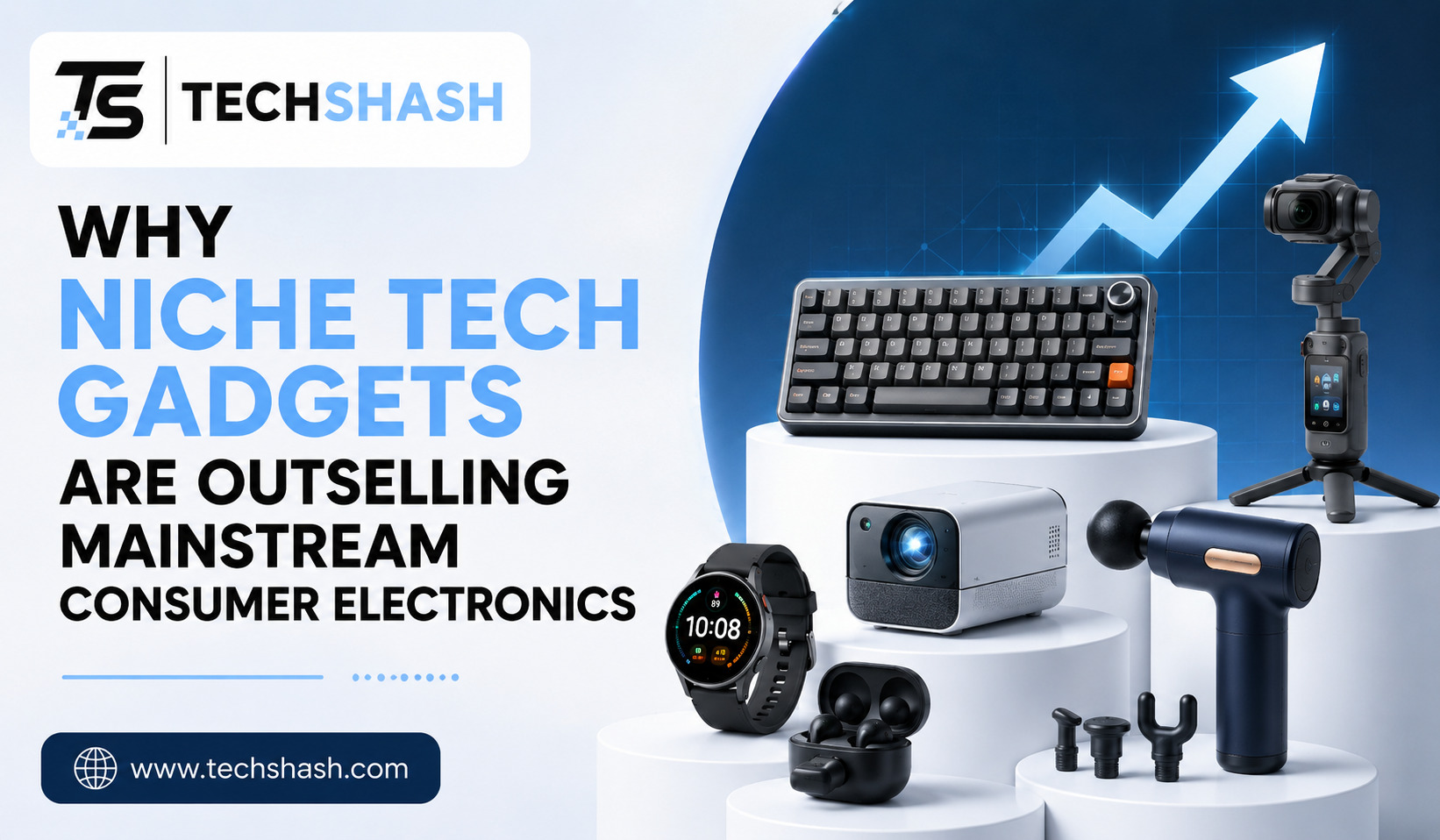
Because of this shift, buyers are turning to smaller hardware makers. This guide explains why niche tech gadgets are outselling mainstream consumer electronics in modern markets.
We will examine how dedicated gadgets, user-focused design, and community input are changing what people choose to buy.
1. Why Niche Tech Gadgets Are Outselling Mainstream Consumer Electronics Today
The global consumer electronics market is undergoing a major change. Major corporations often build products meant to please millions of users at once.
However, trying to satisfy everyone usually means pleasing no one completely. Products end up with middle-of-the-road features that feel generic.
The Rise of Specialized Hardware
Smaller manufacturers take a very different path. They design single-purpose devices aimed at specific activities or hobbies.
- Dedicated E-Paper Displays: Devices like digital notebooks focus purely on reading and writing without distraction.
- Custom Mechanical Keyboards: Typing tools built specifically for heavy writers and programmers who care about feel and sound.
- Portable Audio DACs: High-resolution audio players made for audiophiles who want pure sound quality.
Buyers realize that specialized hardware offers a far better experience for specific tasks than a generic phone or tablet.
Changing Consumer Expectations
Shoppers do not want extra features they never open. They want devices that do two or three things perfectly.
When a product solves an exact daily frustration, buyers willingly pay full price. This shift in spending habits is hurting sales for broad consumer electronics.
2. Solving Specific Problems Versus Adding General Features
Mainstream tech companies usually focus on headline-grabbing software gimmicks. They push artificial intelligence filters and complex menus that most people rarely touch.
In contrast, niche hardware brands look at real daily friction points. They spend their entire budget fixing those exact issues.
Target Solutions Over Generic Tools
Consider a basic smart home setup or specialized gaming controller. Mainstream brands often bundle these into massive software ecosystems.
Niche brands build standalone items with physical buttons and offline support. They avoid cloud subscriptions whenever possible.
Mainstream Products: Mass appeal, heavy software, cloud dependent, subscription focus
Niche Tech Gadgets: Specific utility, physical controls, offline operation, long lifespan
The Value of Single-Purpose Design
Single-purpose items create fewer headaches for the end user. When a device does only one job, it rarely crashes.
- Fewer Software Glitches: Less code means fewer bugs and crashes during everyday use.
- Longer Battery Performance: Devices without constant background processing last much longer on a single charge.
- Lower Learning Curve: Simple physical controls mean anyone can pick up the device and use it instantly.
Consumers appreciate products that get out of the way. Selecting targeted devices over bloated hardware saves both time and frustration.
3. Strong Community Support and Direct Customer Feedback
Large tech companies rely on customer service scripts and automated chat systems. Getting a real product suggestion to a hardware engineer at a big corporation is nearly impossible.
Niche tech startups operate in the open. They communicate directly with users on forums, chat groups, and social media channels.
Co-Creating Hardware With Users
Many niche gadget makers launch their designs through community feedback rounds. They publish early schematics and listen to what real buyers want.
- Idea Phase: Creators share concept drawings on community forums.
- Feedback Loop: Users request specific ports, materials, or button placements.
- Prototype Testing: Early testers try physical units and report bugs directly to developers.
- Final Production: The factory produces a device shaped directly by customer demand.
This close loop makes buyers feel like co-creators. They buy the final product because community feedback loops directly shaped every detail.
Transparency and Trust
When something breaks or a software bug appears, small brands respond quickly. Founder updates and public patch notes build deep trust with buyers.
Mainstream brands rarely match this level of honesty. This personal connection keeps buyers coming back to niche brands for every upgrade.
4. Higher Build Quality and Repair Freedom
Planned obsolescence has annoyed hardware buyers for over a decade. Mainstream phones and wireless earbuds are often glued shut, making battery replacement almost impossible.
When an old battery fades, big brands expect you to buy an entire new device. Niche manufacturers are rejecting this model completely.
Built With Premium Materials
Smaller companies cannot rely on massive advertising budgets. They must win buyers purely on product quality.
- Heavy-grade aluminum casings instead of cheap plastic outer shells.
- Standard screws instead of thick internal glue and proprietary clips.
- Open parts catalogs that let owners purchase replacement switches and batteries.
Using repairable design principles makes niche gadgets last for years instead of months.
The Right to Repair Movement
Tech-savvy buyers increasingly support the Right to Repair. They want to open their electronics, swap out worn parts, and upgrade hardware components.
Niche brands embrace this philosophy by publishing free repair guides and wiring diagrams. This openness creates strong loyalty among modern buyers.
5. Hyper-Focused Features Over Software Bloat
Mainstream operating systems grow larger and heavier every single year. They collect personal data, display system ads, and push mandatory software updates.
Niche tech gadgets take the opposite approach. They use lightweight software that boots up in seconds.
Removing Daily Distractions
Many buyers are actively trying to reduce screen time and digital fatigue. Niche gadgets help people stay focused on their work or hobbies.
Distraction Level Comparison:
– Mainstream Smartphone: High (Notifications, pop-ups, social media feeds, system ads)
– Niche E-Writer / Audio Player: Very Low (Single-purpose screen, zero notifications, offline storage)
By removing social media apps and constant notifications, these devices protect user attention. People accomplish more in less time.
Zero Ads and Data Tracking
Mainstream consumer devices often turn users into data products. Systems log location data, search history, and app usage to target ads.
Niche hardware platforms typically keep user data entirely local. Devices store files on standard removable memory cards without requiring online cloud accounts.
Privately owned hardware that respects user data privacy is a breath of fresh air for modern buyers.
6. Direct Sales Models and Lower Marketing Overhead
Traditional consumer electronics companies spend billions of dollars on billboard campaigns, retail slotting fees, and celebrity endorsements.
These huge marketing expenses push up retail prices. Buyers pay extra money just to cover the cost of corporate advertising.
Bypassing Middlemen to Offer Better Value
Niche tech startups usually sell directly to consumers through their own websites.
- Direct Shipping: Products ship from small assembly facilities right to the buyer.
- No Retail Markups: Bypassing big box stores saves money on middleman fees.
- Word of Mouth Marketing: Satisfied users create video reviews and forum posts that attract new customers naturally.
This lean business model allows small companies to put more money into premium hardware components while maintaining reasonable retail prices.
Focused Production Runs
Mainstream brands produce millions of identical units and store them in massive warehouses. If a model fails to sell, companies face huge financial losses.
Niche makers produce small, controlled production runs. They manufacture hardware in batches based on real pre-orders, avoiding wasteful inventory costs.
Key Takeaways
- Targeted Purpose: Niche gadgets solve clear, specific problems rather than trying to offer every possible feature in one package.
- Community Driven: Independent hardware makers listen to user feedback on public forums before starting mass production.
- Repairable Hardware: Many niche devices use accessible screws and modular parts, extending their lifespan far beyond standard mainstream electronics.
- Distraction-Free Operation: Lightweight, offline software helps users focus on reading, writing, or listening without constant notifications.
- Better Value: Direct-to-consumer sales eliminate retail middleman fees, allowing brands to invest directly in higher quality materials.
FAQs
What are niche tech gadgets?
Niche tech gadgets are specialized hardware devices designed to perform specific tasks exceedingly well for dedicated groups of users.
Why are niche tech gadgets becoming more popular than mainstream electronics?
Niche tech gadgets are gaining market popularity because they provide higher build quality, single-purpose functionality, and better user privacy without unnecessary software bloat.
Are niche tech gadgets more expensive than standard consumer electronics?
While some specialized hardware carries a higher initial cost due to smaller production scales, the long lifespan and repairability often make them more affordable over time.
Do niche hardware brands offer better customer support than big tech corporations?
Small niche tech brands generally offer superior customer support because owners interact directly with user communities on public forums and chat groups.
Can niche tech gadgets function without an active internet connection?
Most niche tech gadgets operate completely offline, keeping your personal files local without forcing you to sign up for cloud subscription services.
Conclusion
The market shift toward specialized devices proves that consumers want quality, privacy, and utility over generic features. Mainstream tech manufacturers continue to release minor yearly updates, but buyers are growing tired of incremental changes and sealed hardware. By focusing on repairability, distraction-free software, and direct community input, small hardware brands have redefined what great electronics should look like. Understanding why niche tech gadgets are outselling mainstream consumer electronics reveals a future where utility, longevity, and user freedom matter far more than corporate hype.