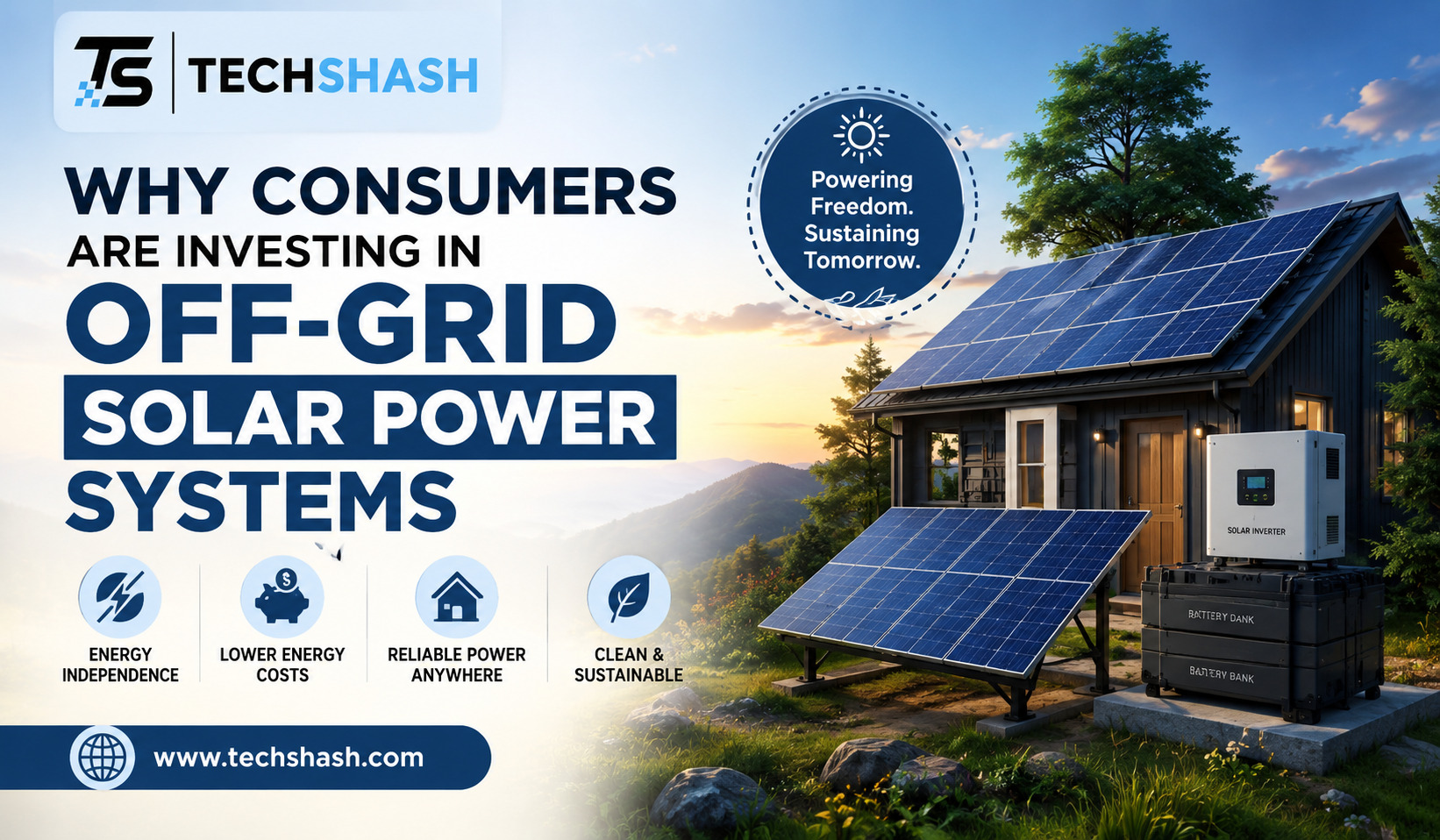
Electric power grids across the world face rising strain, frequent blackouts, and steadily increasing consumer prices. Because of these persistent problems, a growing number of homeowners and property owners are taking control of their energy needs. Investing in off-grid solar power systems allows individuals to generate, store, and consume their own electricity without depending on traditional power companies.
This comprehensive article explains the primary drivers behind this movement, detailing why people choose self-contained solar setups and how these installations provide reliable energy daily.
1. Complete Energy Independence and Freedom from Utility Grids
Many homeowners choose to leave the traditional grid because they want total control over their daily power supply. When severe weather strikes or local electrical equipment fails, houses connected to the main line lose power completely. An independent solar setup ensures that basic household equipment stays operational during severe storms and emergency events.
Grid power blackouts cause inconvenience, spoiled food, and unsafe home temperatures during extreme seasons. Having an independent setup eliminates these worries entirely because the system relies on stored battery power rather than municipal lines.
Overcoming Centralized Power Failures
Central power networks are vulnerable to equipment age, extreme weather, and sudden surges in demand. When thousands of homes lose light simultaneously, utility crews often take hours or days to repair the damage.
Self-contained energy generation isolates a home from these regional outages. Your lighting, food refrigeration, and water heating continue operating regardless of what happens to the surrounding community power lines.
Taking Full Ownership of Power Generation
Traditional utility customers must accept the decisions made by power companies, including service interruptions and pricing shifts. Owning your equipment means you make all decisions regarding your power infrastructure and energy usage.
Property owners gain peace of mind knowing that their light and heating do not rely on external service providers. This sense of self-reliance is one of the strongest emotional factors encouraging people to make the investment.
2. Shielding Household Budgets from Escalating Utility Rates
Electricity prices from commercial utility providers have increased steadily over the past few decades. Fuel costs, grid maintenance expenses, and regulatory fees are passed directly to everyday consumers through monthly statements.
Installing energy storage batteries along with photovoltaic panels allows families to lock in their power costs for decades. Once the installation costs are paid, the daily sunlight used to generate electricity remains entirely free.
Eliminating Unexpected Monthly Bills
Monthly electric bills vary wildly between winter and summer due to heating and cooling demands. These surprise expenses make household budgeting difficult for families living on fixed or predictable incomes.
An independent solar installation replaces uncertain utility bills with predictable equipment payments or zero recurring monthly charges. Families can plan their monthly expenditures without fearing sudden rate hikes from utility companies.
Protection Against Peak Energy Pricing
Many modern utility companies charge higher rates during peak usage hours in the late afternoon and evening. Consumers connected to the grid face extra fees simply for cooking dinner or running laundry at specific times of day.
Independent setups store solar energy during daylight hours so it can be used whenever needed without price penalties. Consumers use their electricity on their own schedule without watching the clock to avoid expensive rates.
3. Powering Remote Properties Without Expensive Infrastructure Costs
Building a home or cabin far away from established towns often presents severe utility challenges. Connecting a new property to the nearest utility power pole can cost tens of thousands of dollars per mile.
In many rural regions, installing standalone solar equipment is significantly cheaper than paying utility providers to extend high-voltage cables across long distances.
+—————————————————————–+
| Grid Connection vs. Standalone Solar |
+—————————————————————–+
| Grid Extension Cost: $10,000 – $30,000+ per mile |
| Ongoing Utility Fees: Monthly charges forever |
| Risk of Outages: High in rural or wooded areas |
+—————————————————————–+
| Off-Grid Solar Cost: One-time initial investment |
| Ongoing Utility Fees: $0 monthly bill |
| Risk of Outages: Zero (completely independent) |
+—————————————————————–+
Eliminating Cable Trenching and Pole Fees
Utility providers charge land owners for every pole, transformer, and underground trench required to bring power lines to a fresh construction site. These infrastructure installation fees must be paid entirely up front by the property owner.
Solar power systems eliminate these heavy installation charges by generating power right where it is consumed. Property owners can spend that money on high-quality building materials or interior furnishings instead.
Enabling Construction in Remote Locations
Many beautiful rural parcels of land remain undeveloped because main power grid access does not exist nearby. Independent solar technology opens up these remote locations for residential living, farming, and vacation cabins.
Buyers can purchase lower-cost rural land without worrying whether utility companies will ever expand power lines into the area. Sun-powered equipment brings full modern comforts to virtually any location with clear sky access.
4. Rapid Improvements in Battery Storage and Panel Efficiency
Solar technology has improved dramatically over the past ten years while equipment prices have dropped significantly. Modern solar panels capture much more light per square foot than older models, generating ample energy even on partly cloudy days.
At the same time, lithium iron phosphate batteries have replaced older lead-acid designs, offering longer service lives and greater safety for home installation.
High-Capacity Lithium Battery Systems
Older solar systems used lead-acid batteries that required frequent maintenance, regular water additions, and early replacement. Modern lithium storage batteries operate safely for over ten years without requiring manual maintenance or liquid refills.
These modern units can be discharged deeply without damaging their internal chemical structures. This improvement allows homeowners to extract more usable power out of smaller, lighter battery banks.
Advanced Inverters and Charge Controllers
Modern solar inverters convert direct current from panels into alternating current for household appliances with extremely high efficiency levels. Smart charge controllers automatically optimize how fast energy flows from panels into storage banks.
+—————+ +——————-+ +——————+ +——————-+
| Solar Panels | –> | Charge Controller | –> | Battery Storage | –> | Modern Inverter |
| (Captures Light) | (Regulates Flow) | | (Stores Power) | | (Powers Home AC) |
+—————+ +——————-+ +——————+ +——————-+
These intelligent electronics protect batteries from overcharging and prevent electrical damage to home appliances. The resulting equipment operates automatically with minimal monitoring required by the homeowner.
5. Reducing Environmental Footprint with Clean Energy
Burning fossil fuels to produce municipal electricity releases large quantities of greenhouse gases and air pollutants. Choosing solar power reduces demand for coal, oil, and natural gas generation across the energy sector.
Using renewable energy generation at home allows individuals to take personal responsibility for reducing air pollution and conserving natural resources.
Zero Carbon Emissions During Daily Operation
Once solar panels and storage units are manufactured and installed, their daily operation produces zero direct carbon emissions. The system relies entirely on natural sunlight to produce electricity every single day.
Over a twenty-year operational lifespan, one residential solar system prevents tons of carbon dioxide from entering the atmosphere. This clean energy output makes a meaningful contribution toward environmental preservation goals.
Reducing Water Consumption in Energy Production
Traditional power plants burn coal, gas, or nuclear fuel to boil water into steam that turns heavy electrical turbines. This process consumes millions of gallons of fresh water every day for cooling purposes.
Photovoltaic solar panels convert sunlight directly into movement of electrons without using water resources. Using sun-powered energy preserves precious local freshwater supplies for farming, drinking, and natural habitats.
6. Minimal Maintenance Requirements and High System Reliability
Modern solar components feature no moving mechanical parts, which means very little wear and tear occurs over time. Solar panels sit on sturdy mounting racks designed to withstand high winds, heavy snow, and hail storms.
Performing basic routine solar maintenance like wiping dust off panel glass keeps the system working efficiently for decades.
+—————————————————————–+
| Simple Maintenance Checklist |
+—————————————————————–+
| [ ] Rinse dust and leaves off solar panels twice per year |
| [ ] Inspect electrical wiring connections once per year |
| [ ] Check inverter screen readings for system health status |
| [ ] Keep overhanging tree branches trimmed clear of panels |
+—————————————————————–+
Durable Construction and Weather Resistance
Quality solar panels carry manufacturer performance warranties lasting twenty-five years or longer. Solid silicon cells protected by thick tempered glass withstand tough outdoor weather conditions without losing operational ability.
Mounting hardware is crafted from corrosion-resistant aluminum and stainless steel to prevent rust. Once securely installed on roofs or ground racks, the equipment resists severe storm conditions easily.
Simple User Monitoring and Digital Diagnostics
Modern inverters connect directly to mobile applications on smartphones or computers via wireless internet. Homeowners can view real-time energy production, monitor battery state of charge, and track power consumption instantly.
These digital tools alert users automatically if a panel or connection needs attention. Remote diagnostics allow owners to identify small issues long before they turn into major equipment problems.
7. Long-Term Financial Value and Property Worth
An off-grid power setup represents a permanent physical asset installed directly on your property. Unlike monthly utility payments that vanish forever, money spent on solar equipment builds lasting home value.
Properties equipped with reliable independent power systems often command higher market interest from buyers seeking self-reliant living.
Building Capital Equity Instead of Paying Utility Bills
Paying monthly utility bills yields zero ownership return for the consumer over time. Every dollar sent to an electric power company is spent permanently without building equity.
Investing that same money into solar power equipment creates a valuable personal energy asset. The home gains equity while eliminating recurring electric utility expenses for the owner.
Higher Attraction for Niche Real Estate Buyers
Real estate buyers are increasingly looking for homes that offer protection against rising living costs and power grid instability. A fully equipped, independent home stands out clearly in real estate listings compared to standard houses.
Buyers appreciate entering a home that features zero ongoing monthly electricity payments built into its design. This unique feature can accelerate sale times and justify a strong asking price in competitive markets.
Key Takeaways
- Complete Independence: Independent systems keep home lights, refrigeration, and medical devices operational during local power grid outages.
- Cost Predictability: Eliminates monthly utility electric bills and protects household budgets against future rate increases.
- Remote Property Solutions: Saves substantial money by avoiding expensive utility line extension charges for distant rural homes.
- Advanced Battery Tech: Modern lithium iron phosphate batteries store solar energy safely and efficiently for over ten years.
- Zero Daily Emissions: Solar energy generation creates clean power daily without consuming water or emitting air pollutants.
- Low Maintenance Needs: Durable solar equipment contains no moving parts and requires only basic cleaning to operate long term.
Frequently Asked Questions
Can off-grid solar systems run standard home air conditioners?
Yes, modern solar arrays paired with high-capacity inverters and lithium battery storage run standard home air conditioners efficiently.
How long do modern solar batteries last before needing replacement?
Quality lithium iron phosphate solar batteries typically last between ten and fifteen years under normal daily usage conditions.
What happens during several consecutive days of heavy rain or cloudy weather?
Solar panels continue producing smaller amounts of energy on cloudy days, while properly sized battery banks and backup generators handle extended period shortages.
Are off-grid solar systems more expensive than grid-tied solar systems?
Off-grid systems cost more upfront than grid-tied setups because off-grid installations require large battery banks and backup power controls to replace grid access.
How much maintenance do solar panels require throughout the year?
Solar panels require very little maintenance beyond rinsing off surface dust, dirt, or fallen leaves a few times each year with water.
Conclusion
Consumers across the nation are choosing to invest in off-grid solar power systems to secure energy freedom, control monthly expenses, and reduce environmental impact. High-efficiency solar panels and durable lithium storage batteries make self-generated electricity more reliable than ever before. Whether powering a distant rural home or protecting a suburban residence from rolling blackouts, independent solar setups provide reliable energy for decades.