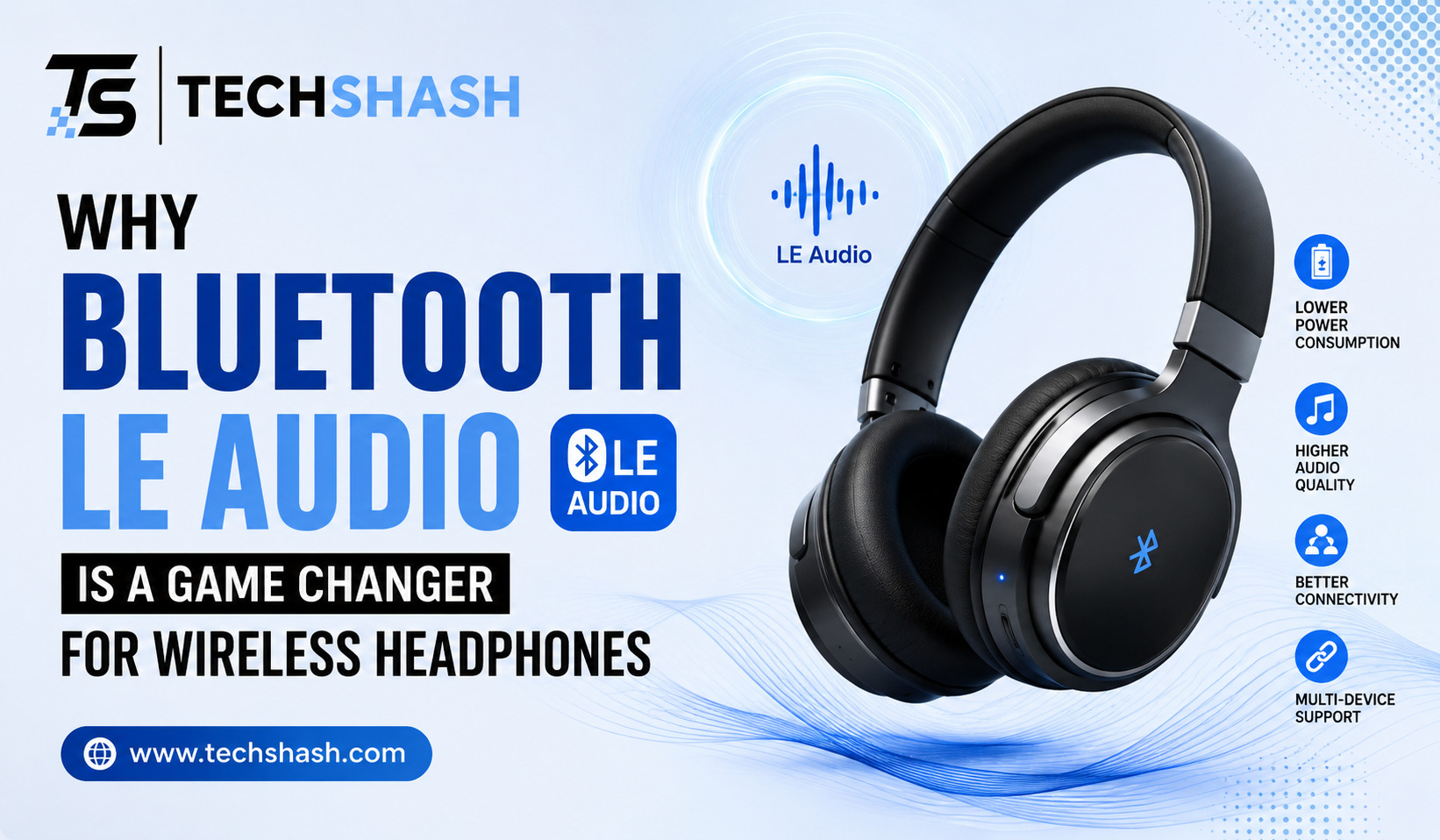
Listening to music without wires has come a very long way over the last decade. Many people now rely on earbuds for daily commutes, workout sessions, and work calls. However, classic Bluetooth technology has reached its technical limits when handling high data demands and power usage. This is where Bluetooth LE Audio comes into the picture to solve those long-standing audio problems.
Bluetooth LE Audio introduces a brand new foundation for wireless sound transmission. It operates on the Bluetooth Low Energy radio, which was previously used only for simple data transfers like fitness trackers or smartwatches. By bringing audio transmission to this low-power radio, device makers can deliver better sound while using far less electricity. This article will cover everything you need to know about this major wireless audio technology step.
1. What Is Bluetooth LE Audio and How It Works
Classic Bluetooth audio has been the standard for personal audio devices since the early two thousands. It relies on the Bluetooth Classic radio stream, which consumes a noticeable amount of battery power. It also forces audio devices to use older compression algorithms that compress sound files heavily.
The introduction of Bluetooth LE Audio changes the fundamental architecture of wireless sound. Instead of relying on legacy connection methods, it uses the Bluetooth Low Energy radio architecture to stream high quality sound. This transition allows audio signals to travel with higher efficiency across short distances.
The Shift to Low Energy Protocols
Older headphones had to maintain a constant, power-hungry link with your mobile device. That continuous connection drained battery capacity rapidly during long telephone calls or video playback.
Under the new system, data packet transmission happens in smaller, optimized bursts. Wireless transmitters can send rich audio data while spending less time in high power transmission states.
Backward Compatibility Considerations
Many users wonder if their current equipment will work with this new standard. Newer mobile devices contain hardware built to support both classic and low energy audio streams.
However, receiving the full benefit requires both the audio source and the headphones to support Bluetooth LE Audio. Older devices will simply fall back to classic audio channels without interrupting your playback.
2. The LC3 Codec: Superior Sound Quality at Half the Bitrate
At the core of this upgrade is a brand new audio compression algorithm. For over fifteen years, wireless devices used the Subband Codec, which is commonly called SBC. While SBC worked reasonably well, it required high bitrates to achieve clear sound reproduction.
Bluetooth LE Audio replaces that outdated system with the Low Complexity Communication Codec, known as LC3. The LC3 codec can compress sound much better while maintaining high clarity. Engineers designed this algorithm to keep music crisp even when bandwidth drops.
Comparing Audio Bitrates
Traditional SBC compression typically operates around 345 kilobits per second. If you drop the bitrate on SBC, the sound quickly becomes muffled or harsh to human ears.
By contrast, the LC3 codec delivers higher audio quality at just 160 kilobits per second. That means your phone transfers less data overall, which reduces interference and saves battery life.
Codec Efficiency Comparison:
———————————————————–
SBC Codec: [345 kbps] —> Standard Clarity
LC3 Codec: [160 kbps] —> Higher Clarity & Lower Latency
———————————————————–
Listening Experience in Daily Use
You do not need audiophile gear to notice the difference in daily listening. Voices sound clearer during voice calls, and instrument separation remains distinct in complex songs.
Even in busy places like subway stations where radio frequency clutter is high, the sound stream stays stable. The lower bandwidth requirement helps prevent annoying dropouts in crowded environments.
3. Auracast Broadcast Audio: Sharing Sound in Public and Private
One of the most exciting additions to Bluetooth LE Audio is a feature named Auracast. In the past, a single phone could usually stream audio to only one pair of wireless headphones at a time. Sharing a movie or song required sharing an earbud with a friend.
Auracast turns your audio source into a mini radio station. An unlimited number of nearby receivers can tune into the exact same audio stream simultaneously.
Public Space Implementation
Public locations can use this feature to improve accessibility for everyone. For instance, silent televisions in airport lounges or sports bars can broadcast their sound locally.
Visitors can select the broadcast on their smartphones and listen directly through their personal headphones. Auracast broadcast audio enables unlimited listeners to connect to public screens without complex pairing steps.
Private Sharing Scenarios
Sharing audio with family members becomes effortless with this technology. You can stream a movie from your laptop to two or three pairs of headphones during a flight.
- Parents can share video soundtracks with children on long road trips.
- Friends can listen to new music albums together from one mobile device.
- Tour guides can speak directly into visitor headphones without using heavy amplification equipment.
4. Multi-Stream Audio for Improved Stereo Separation and Speed
Classic Bluetooth handled stereo audio using a single primary connection. Your phone sent both left and right audio channels to one main earbud. That main earbud then had to process the signal and relay the secondary channel across your head to the other earbud.
This old relay method caused several frustrating issues for users. It drained the battery of the master earbud faster than the slave earbud, and it introduced noticeable audio delay.
Independent Sound Channels
With Bluetooth LE Audio, your smartphone sends independent streams directly to each earbud at the same time. The left earbud receives only the left channel, and the right earbud receives only the right channel.
Classic Bluetooth Setup:
Phone ——-> Earbud A (Master) ——-> Earbud B (Slave)
Multi-Stream Setup:
Phone ——-> Earbud A (Left Channel)
Phone ——-> Earbud B (Right Channel)
This direct connection provides better stereo synchronization and eliminates uneven battery drain between sides. Multi-stream audio reduces wireless latency significantly, which makes video games and movie dialogue feel far more responsive.
Faster Connection Speeds
Switching between single earbud mode and dual earbud mode is now instantaneous. You can remove one earbud from your ear and place it in the charging case without your music pausing or stuttering. The remaining earbud continues playing its audio stream smoothly without any manual re-pairing.
5. Hearing Access Integration for Better Personal Accessibility
Hearing health is an area where traditional audio technology often fell short. Hearing aids historically required specialized proprietary wireless protocols to connect to phones or televisions. These custom setups were expensive and created frustration for users who wanted simple connectivity across different devices.
Bluetooth LE Audio includes built-in support for hearing access technology right in its core framework. The Hearing Access Profile standardizes how hearing instruments talk to consumer electronics.
Direct Smartphone Connectivity
Individuals who wear hearing aids can connect their devices directly to modern smartphones without buying extra adapters. They can take phone calls, listen to podcasts, and watch movies straight through their hearing aids.
Traditional Setup:
Hearing Aid <—> Proprietary Hub <—> Smartphone
New Setup:
Hearing Aid <————————-> Smartphone (Direct LE Audio)
This direct access improves accessibility for hearing aid users by creating a unified standard across all electronic brands. People do not need to buy specific brand-locked accessories just to hear clear phone calls.
Environmental Support in Venues
Public locations that adopt broadcast audio will directly benefit individuals with hearing loss. Theater venues, auditoriums, and places of worship can broadcast clear voice feeds directly to compatible hearing aids.
Users can control the volume levels directly on their personal mobile devices to match their specific needs. This brings affordable assistive listening options to places where expensive loop systems were previously required.
6. Battery Efficiency Improvements for Modern Earbuds and Headphones
Battery life remains one of the most vital buying factors for wireless audio accessories. Small wireless earbuds have limited interior space, which restricts the physical battery size engineers can fit inside.
Because Bluetooth LE Audio consumes less electric current during data transfers, manufacturers can approach hardware design in new ways. Earbuds can last longer on a charge without increasing physical weight.
Smaller Designs or Longer Playtime
Hardware creators have two distinct choices when using low energy audio components:
- Keep the current battery size and extend daily playtime by several hours.
- Reduce the battery size to make smaller, more comfortable earbuds without losing battery life.
Battery Usage Comparison:
—————————————————————–
Classic Bluetooth Stream : High Energy Draw -> Standard Playtime
LE Audio Stream : Low Energy Draw -> Extended Playtime
—————————————————————–
Most audio brands are choosing a balanced middle ground between these options. Reduced power consumption extends battery lifespan across long usage cycles over several years of ownership.
Thermal Efficiency and Longevity
Lower power consumption also means less heat generated inside tiny earbud casings. Heat is a primary contributor to lithium-ion battery degradation over time.
By keeping operational temperatures lower, your headphone batteries retain their full charging capacity over more months of use. This structural benefit makes your expensive wireless gear last longer before needing replacement.
Key Takeaways
- Energy Efficiency: Bluetooth LE Audio runs on low-power radio channels, which lowers battery consumption during everyday use.
- Improved Codec: The LC3 codec provides superior audio clarity at lower bitrates than older SBC codecs.
- Public Audio Sharing: Auracast allows an unlimited number of nearby wireless headphones to connect to a single broadcast source.
- Direct Multi-Stream: Audio sources send separate, synchronized streams to both left and right earbuds simultaneously.
- Hearing Aid Compatibility: Standardized Hearing Access Profile allows hearing aids to connect directly to phones and public broadcast displays.
- Lower Latency: Reduced transmission delays create a better experience for mobile gaming and watching live videos.
FAQs
What is the main difference between classic Bluetooth audio and Bluetooth LE Audio?
Classic Bluetooth relies on older, power-heavy radio channels, whereas Bluetooth LE Audio operates on a low-energy architecture with higher efficiency and new features like Auracast.
Will my old wireless headphones get Bluetooth LE Audio through a software update?
Most older headphones cannot support Bluetooth LE Audio because the standard requires specific internal radio hardware built to handle low-energy audio streams.
Does Bluetooth LE Audio improve sound quality over older wireless standards?
Yes, the new LC3 codec preserves audio detail far better than older SBC codecs even while using lower data bitrates.
How does Auracast work with public televisions or announcements?
Auracast broadcasts an unencrypted or password-protected audio stream that any nearby compatible headphone or hearing aid can select and join.
Does Bluetooth LE Audio help reduce audio lag when watching videos?
Yes, the multi-stream architecture and efficient LC3 compression significantly decrease sound latency for better sync between video and voice.
Conclusion
The wireless headphone experience is undergoing its biggest structural shift in over twenty years. By moving away from legacy radio protocols, Bluetooth LE Audio fixes long-standing problems regarding battery drain, audio latency, and connection stability. Features like the LC3 codec and multi-stream transmission ensure high quality sound without wasting electrical power. At the same time, innovations like Auracast and standardized hearing aid support open up new ways to share sound in both private homes and public spaces. As more mobile phones, laptops, and earbud makers adopt this technology, Bluetooth LE Audio will quickly become the standard foundation for personal sound.