Food throwing away is a massive issue that affects millions of homes every single day. Many people buy fresh food with good intentions, only to find forgotten vegetables rotting in the back of the refrigerator.
Integrating smart kitchen appliances computer vision offers a fresh approach to solving this everyday problem. Cameras and smart image recognition software now help households track groceries, monitor cooking, and stop fresh produce from going bad.
This detailed article covers how visual sensors operate in modern appliances, how automated inventory tracking saves money, and how these tools actively lower kitchen waste.
1. The Growing Problem of Household Food Waste
Throwing away unused food is a costly habit for most families. Research shows that typical households discard up to thirty percent of purchased groceries each year because items spoil before anyone eats them.
Most people do not intentionally waste food. Busy work schedules make it difficult to keep track of what rests on every shelf. Forgotten leftovers and hidden produce often sit past their prime behind newer groceries.
Shopping without knowing what is already inside the refrigerator leads to buying duplicate items. Extra bags of spinach or duplicate cartons of milk often end up directly in the trash bin.
Traditional methods of tracking groceries fail because manual lists require too much effort. Pen and paper notes quickly become outdated when family members grab quick snacks throughout the day.
Reducing this waste requires a modern solution that works automatically without adding extra daily chores. Visual tracking inside appliances provides that missing layer of support.
2. How Computer Vision Works Inside Modern Kitchen Appliances
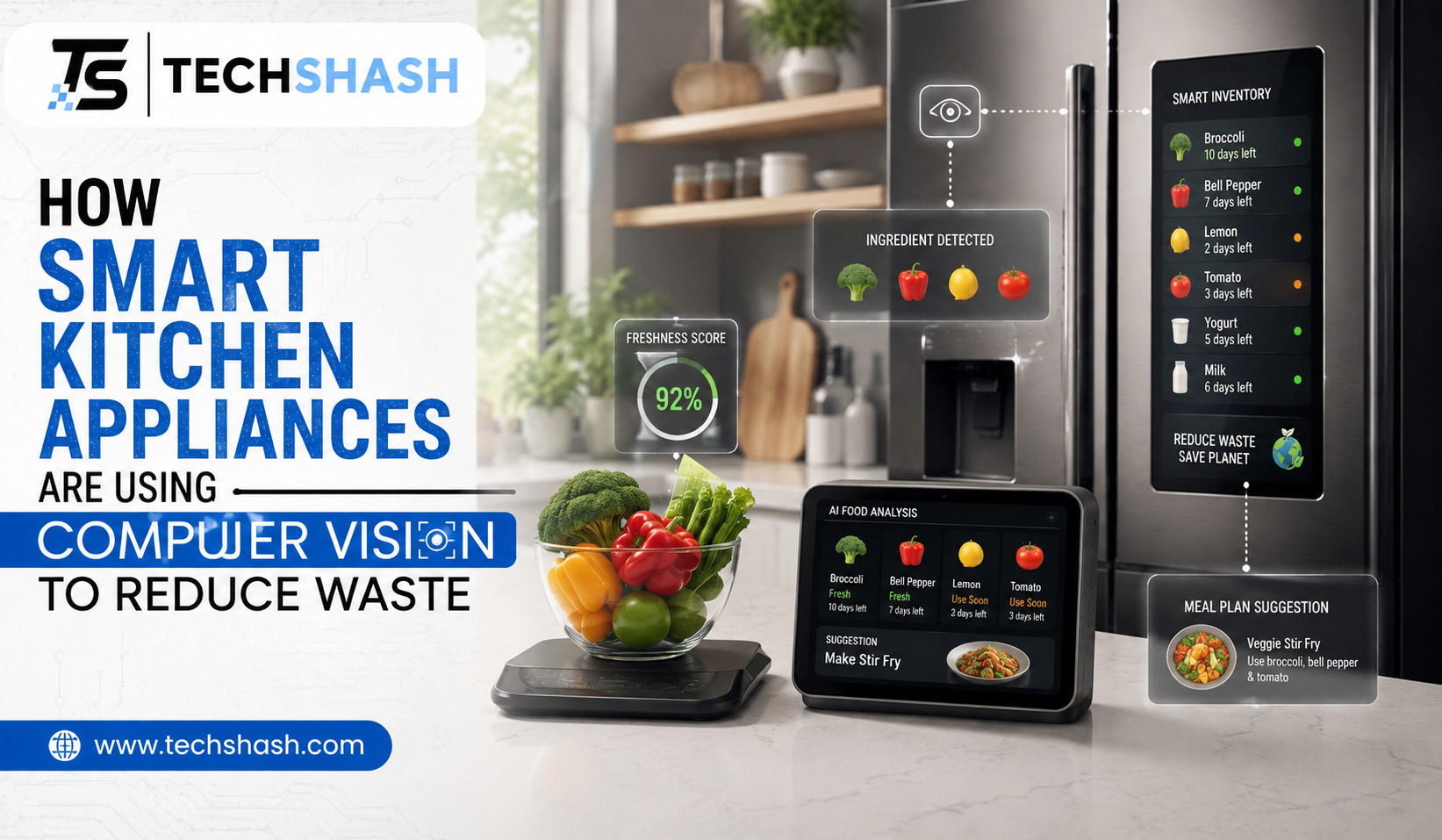
Digital cameras placed inside home appliances capture clear images of every shelf and compartment. Small, energy-efficient camera units take photos every time an appliance door opens or closes.
Advanced artificial intelligence software analyzes these images to identify specific food items. The visual system can recognize the difference between an apple, a tomato, and an orange based on shape, color, and texture.
Machine learning models continuously improve their recognition skills over time. When a user places an unusual item inside, the software compares the item against vast databases of grocery photos to identify it correctly.
[ Camera captures image ] —> [ AI identifies item ] —> [ System logs date & freshness ]
Optical recognition models also track changes in the physical appearance of produce. The visual software detects small changes like browning banana peels or wilting greens to estimate remaining shelf life.
Data collected by visual sensors updates an inventory log on a companion smartphone app. Homeowners can view the contents of their kitchen at any moment without opening a single door.
3. Smart Fridges and Real-Time Grocery Tracking
Refrigerators equipped with interior optical cameras change how families manage daily food storage. Internal wide-angle lenses snap high-resolution photographs every single time the main door shuts.
These images allow users to check their refrigerator contents remotely from a mobile application. Checking your phone while standing in the grocery store aisle prevents buying items that already sit at home.
Visual recognition software tags fresh produce and tracks how long items remain on a shelf. The system generates automatic shelf life notifications when delicate items like berries or leafy greens near their expiration window.
Knowing exactly what items require immediate consumption prevents forgotten food from turning into slimy waste. Families can plan meals around items that need to be eaten first.
Some systems even allow users to tap photos on their screen to label specific jars or leftovers. This simple step creates an organized digital kitchen inventory that updates automatically.
4. Smart Ovens and Visual Sensors That Prevent Food Spoilage
Ruined meals are another major contributor to home food waste. Overcooked chicken, burnt casseroles, and scorched baked goods often go straight into the trash can.
Smart countertop ovens now feature high-temperature interior cameras paired with object recognition software. These internal visual sensors identify raw foods as soon as you place them on the cooking tray.
[ Raw food placed inside ] —> [ Camera scans dish ] —> [ Auto-adjusts time and heat ]
The appliance automatically selects the correct cooking temperature and duration based on what the camera sees. Cooking algorithms monitor the surface color of food in real time to prevent burning.
Visual sensors detect when a dish reaches its ideal level of crispness or browning. The oven turns off heating elements automatically to ensure food comes out cooked properly every time.
Preventing cooking mistakes means fewer failed dinners end up in the garbage. Families save money by preserving expensive cuts of meat and fresh bakery goods.
5. AI-Powered Recipe Suggestions Based on Visual Inventory
Knowing what groceries sit inside your refrigerator is only half the battle. Many people struggle to combine random remaining ingredients into satisfying family meals.
Smart kitchen platforms use optical inventory data to recommend practical recipes. The system scans available ingredients and searches a digital database for matching dish ideas.
Prioritizing ingredients that are closest to spoiling is the core strength of these recipe engines. If the camera detects aging tomatoes and basil, the app suggests a quick tomato sauce or fresh soup.
Generating recipes around existing inventory eliminates the need for extra grocery runs. Households can prepare delicious meals using items that might otherwise end up discarded.
- Identify ingredients that are close to spoiling.
- Suggest dishes that require minimal additional items.
- Provide simple cooking directions to reduce preparation effort.
Connecting visual inventory with automated cooking suggestions turns unused ingredients into complete dinners. This simple connection reduces both food waste and evening stress.
6. Smart Waste Bins and Visual Tracking of Discarded Food
Monitoring what gets thrown away provides valuable insight into household spending habits. Smart disposal units use optical sensors and weight scales mounted near the bin lid.
When an item drops into the bin, an internal camera scans the object while scale sensors measure its exact weight. The system logs the item category, weight, and financial value of the discarded food.
Weekly reports highlight recurring waste patterns across different food categories. Reviewing this data helps families spot overbought items and adjust their weekly grocery purchasing lists.
Seeing disposed food metrics quantified in dollars creates clear awareness around household habits. People naturally change their purchasing decisions when they see exact cost estimates of thrown food.
[ Item thrown in bin ] —> [ Camera identifies object ] —> [ System logs weight & cost ]
Smart waste units help users make smarter shopping decisions over time. Buying smaller quantities of items that frequently spoil prevents future waste before it even reaches the kitchen.
7. Environmental and Financial Benefits for Households
Adopting visual technology inside home appliances provides immediate financial relief for household budgets. Saving food means spending significantly less money at the grocery store every month.
The average family can save over one thousand dollars annually by preventing food spoilage. These savings offset the initial cost of upgrading to connected appliances over time.
Reducing kitchen waste also yields major environmental advantages. Organic material decaying in public landfills releases harmful methane gases into the atmosphere.
- Lowering household trash reduces greenhouse gas emissions.
- Conserving food saves agricultural water, farmland energy, and transport fuel.
- Purchasing lower quantities minimizes plastic packaging accumulation in landfills.
Using smart kitchen appliances computer vision creates a sustainable routine that protects both family finances and natural resources. Small household adjustments lead to meaningful positive changes for the planet.
Key Takeaways
- Primary cause of waste: Hidden groceries sitting in the back of dark shelves often spoil completely unnoticed.
- Visual inventory power: Interior appliance cameras allow remote monitoring of shelf contents from mobile phones.
- Automated freshness tracking: Optical image models detect early signs of spoilage and send timely expiration reminders.
- Preventing cooking errors: Camera-assisted smart ovens monitor cooking progress visually to prevent burnt food.
- Financial and green impact: Decreasing discarded food saves money while reducing landfill greenhouse gas emissions.
FAQs
How do internal cameras inside refrigerators recognize individual groceries?
Optical sensors capture high-resolution images of stored items and use trained artificial intelligence algorithms to identify food products based on color, shape, and surface texture.
Can optical sensors detect when produce is starting to spoil?
Camera systems analyze subtle changes in color and texture on produce surfaces to estimate remaining shelf life before food goes bad.
Do smart oven cameras work when temperatures become very high?
Specialized heat-resistant camera lenses and sensors operate safely inside hot cooking chambers to monitor food without damaging internal electronics.
Will visual tracking work if items are stacked on top of each other?
Sensors identify visible surface items clearly, though deeply stacked or covered groceries may require minor repositioning for complete camera coverage.
How does reducing household food waste help the natural environment?
Discarding less food keeps organic waste out of municipal landfills, which directly reduces greenhouse methane emissions and conserves natural agricultural resources.
Conclusion
Household food waste remains a major financial and environmental challenge for modern families around the world. Innovative solutions using smart kitchen appliances computer vision transform how people store, cook, and manage their daily food supplies. Automated image tracking, smart expiration alerts, and cooking monitoring prevent fresh items from ending up in local trash bins. Adopting these connected visual technologies helps households save money on groceries while supporting a cleaner, more sustainable planet.