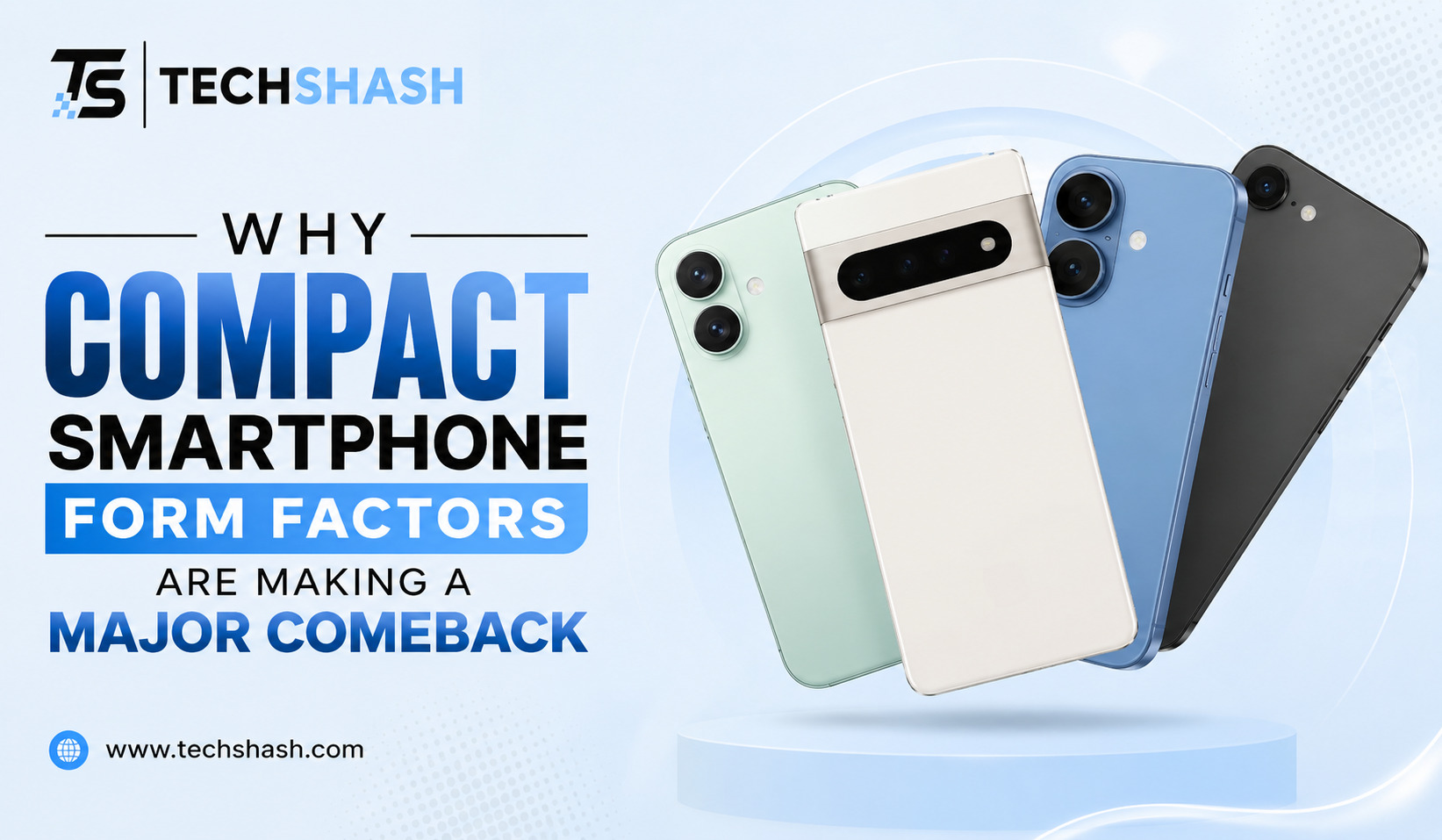
Smartphones grew larger every single year for more than a decade. Mobile screens stretched past six inches and expanded toward seven inches, making hand held phones feel like small television screens in our pockets. Many users now feel exhausted by holding massive slabs of glass and metal all day long. Interest in compact smartphone form factors is surging once again across the mobile industry. People want devices that fit comfortably into jeans pockets and allow easy typing with a single thumb. This article explains why smaller mobile phones are returning to favor and how modern technology makes them better than ever before.
1. The Shift Away from Oversized Screen Dominance
Phone displays expanded rapidly as mobile video streaming and online gaming became mainstream activities. Manufacturers raced to pack bigger batteries and massive display panels into flagship mobile units. Consumers initially welcomed larger screens because watching movies or scrolling social media felt immersive.
Giant screens brought clear trade-offs that buyers eventually stopped ignoring. Modern smartphones now weigh over two hundred grams on average. Dropping these heavy devices often leads to expensive screen cracks and broken glass backs.
Carrying a huge phone inside standard pant pockets has become quite uncomfortable for millions of users. Bending down or sitting in a car often causes giant devices to press awkwardly against the waist. Many people are realizing that maximum screen real estate is not always worth the daily physical hassle.
The Problem with Constant Screen Growth
- Heavy mobile hardware causes physical hand fatigue during long usage sessions.
- Large devices regularly stick out of side pockets or slip out of small purses.
- One handed texting has become nearly impossible for people with smaller hands.
Reaching every corner of a six point eight inch screen requires awkward hand shifting. Users often drop their phones while trying to reach upper menu buttons. Returning to smaller screen sizes solves these daily ergonomics issues directly.
2. Physical Comfort and One Handed Usability
Ergonomic design sits at the center of this consumer shift. Human hands did not grow alongside mobile phone displays over the last decade. Reaching across a huge display requires constant finger stretches that strain muscles over time.
Repetitive strain injuries in fingers and wrists are becoming a common complaint among heavy phone users. Straining your thumb to touch top left icons creates tension along the wrist tendon. Smaller hardware restores natural comfort to basic tasks like replying to text messages.
Single handed usability allows people to multi-task safely while walking or holding coffee cups. You can hold a subway handrail with one hand and comfortably scroll a web page with the other. True mobility means your device adapts to your lifestyle instead of demanding two hands at all times.
Key Usability Advantages
- Quick thumb access across the entire display area without shifting your grip.
- Reduced wrist strain during long phone calls or extended reading sessions.
- Lower risk of accidental drops while taking quick photos on the go.
Compact mobile hardware offers superior physical ergonomics for daily carry. Typing a quick reply while walking down a busy street feels stable and secure once again. Convenience is regaining its rightful position as a top priority for phone buyers.
3. Next Generation Battery Tech and Chip Efficiency
In past years, choosing a smaller phone meant accepting terrible battery performance. Early compact models simply lacked the physical room inside their frames for decent battery cells. Modern engineering breakthroughs have completely eliminated that massive compromise.
Processors are now built on tiny three nanometer manufacturing nodes that draw significantly less power. Modern mobile chips deliver incredible processing power while consuming a fraction of the energy older chips required. Energy efficiency keeps smaller devices running all day long without needing massive battery packs.
Silicon carbon battery chemistry allows manufacturers to pack higher energy density into smaller footprints. Engineers can now fit four thousand milliamp hour batteries into slim and narrow frames. Smaller screens also require less energy to illuminate, extending total playback time automatically.
Hardware Efficiency Factors
- Advanced chip manufacturing slashes battery consumption during background tasks.
- High density battery cells store far more power per millimeter of internal space.
- Smaller display panels draw less energy at peak brightness levels.
Users no longer need to sacrifice all day endurance just to enjoy a smaller physical phone. Modern internal components allow compact devices to last just as long as giant flagship models. Energy efficiency has solved the biggest historical flaw of small mobile devices.
4. The Rise of Flip Foldables as Modern Pocket Devices
Flip style foldable phones have changed how manufacturers approach compact mobile hardware. These devices offer large displays when unfolded, yet fold down to half their height when closed. Consumers receive the benefit of a spacious screen without carrying a large slab continuously.
Cover screens on flip devices allow users to perform fast actions without opening the main display. You can check notifications, glance at maps, or control music from a tiny exterior screen. Interacting with cover displays reduces overall screen time and keeps users present in the real world.
Closing a phone shuts off distraction instantly while offering a satisfying physical feedback loop. Folding action reduces the total footprint so the device slides smoothly into tiny pockets or small bags. Flip style foldables bridge the gap between compact carrying size and large media consumption screens.
Why Flip Phones Are Succeeding
- Outer displays handle quick checks without opening the main inner display.
- Unfolded screens provide full size real estate whenever detailed work requires it.
- Folded dimensions fit easily into small pockets without bulging awkwardly.
Folding screen technology continues to mature into a reliable daily option for mainstream buyers. Prices for flip devices have dropped significantly over recent release cycles. Flip models represent a fun and modern pathway back to small form factors.
5. Premium Camera Systems in Smaller Chassis
Smaller phones used to receive secondary camera hardware compared to giant pro models. Camera sensors required massive glass lenses and thick camera bumps that small frames could not accommodate. Recent optical advancements have changed the playing field for compact mobile photography.
Engineers have developed periscope zoom lenses and compact stabilization modules that fit into tight spaces. Advanced computational photography processes images using neural processing units rather than giant physical lenses alone. Software algorithms clear up noise, sharpen details, and enhance low light photos remarkably well.
Compact devices now capture stunning photos that match larger flagship hardware in most daily lighting conditions. You no longer need to carry a giant brick in your pocket just to take sharp travel photos. Advanced image processing bridges the physical gap between small and large phone cameras.
Modern Camera Upgrades in Compact Bodies
- Periscope telephoto designs fold light paths internally to save precious space.
- Sensor shift stabilization counteracts shaky hands inside narrow device bodies.
- AI powered image processing cleans up dark scenes without requiring giant sensors.
Photographers appreciate having serious camera tools inside a lightweight frame that fits in a shirt pocket. Taking pictures candidly becomes much easier when holding a subtle, smaller device. Compact phones offer full creative power without the extra bulk.
6. Evolving Media Consumption Habits
How people consume digital content on mobile devices has changed over recent years. Tablets, laptops, and smart televisions handle long video sessions and heavy productivity work for most users. Smartphones are returning to their core purpose as quick communication devices and portable companions.
Short video formats dominate social media feeds and look excellent on smaller displays. Reading quick articles, checking email, and managing calendar appointments does not require a seven inch panel. Users are realizing that bigger screens often encourage unnecessary screen time and mindless scrolling habits.
Carrying a less intrusive device helps people stay focused on their physical surroundings. A smaller screen encourages deliberate phone use rather than continuous passive media consumption. Choosing compact hardware is becoming a conscious digital wellness decision for many consumers.
Shifting Usage Patterns
- Secondary devices like tablets handle long gaming and movie viewing sessions.
- Digital wellness choices prompt users to select smaller, less distracting screens.
- Short form media content displays comfortably on moderate screen sizes.
Smartphones do not need to replace laptop screens or television displays for every task. Embracing smaller dimensions encourages healthier relationship boundaries with personal technology. Streamlined devices help keep digital distraction under control throughout the busy day.
7. Comparing Compact Devices to Flagship Giants
Choosing between a compact phone and a massive flagship model comes down to personal lifestyle needs. Giant phones excel at intensive mobile gaming, multi-tasking, and professional video editing workflows. Compact options prioritize pocket comfort, easy one handed typing, and lightweight daily convenience.
| Feature Area | Compact Smartphones | Giant Flagship Phones |
| Weight & Bulk | Lightweight and easy to hold for hours | Heavy and noticeable inside pockets |
| One-Handed Use | Full screen access with a single thumb | Requires two hands for safe typing |
| Display Size | 5.8 to 6.3 inches | 6.7 to 6.9 inches |
| Pocketability | Fits into small pockets easily | Sticks out of normal pockets |
| Ideal For | Active commuters and busy professionals | Heavy mobile gamers and video editors |
Understanding your daily habits makes selecting the right size straightforward and clear. Buyers who travel frequently or work on their feet often prefer small, durable hardware. Everyday practical convenience outweighs the desire for maximum screen space for a growing segment of buyers.
Key Takeaways
- Ergonomic comfort: Smaller devices prevent hand fatigue and allow effortless one handed typing during daily use.
- Battery improvements: High density silicon carbon batteries and efficient three nanometer processors deliver true all day power.
- Foldable technology: Flip style foldables offer a tiny pocket footprint without giving up large screen benefits when unfolded.
- Camera quality: Computational photography allows smaller phones to capture stunning pictures without requiring massive camera bumps.
- Digital balance: Compact screens encourage focused phone usage and help cut down on mindless scrolling throughout the day.
FAQs
Are compact smartphone form factors less powerful than larger phones?
Modern small phones use the exact same high end processors found in larger flagship models so performance remains identical.
Do smaller phones have shorter battery life?
Advanced energy efficient processor chips and high density battery technology allow compact devices to easily last a full day.
Which screen size is considered compact today?
Displays measuring between five point eight inches and six point three inches are categorized as compact in the modern market.
Do compact phones cost less than big phones?
Compact devices often cost slightly less than giant pro models while keeping premium build quality and high specs.
Are small phones better for hand health?
Using a smaller device reduces thumb stretching and wrist strain, making it much safer for your hands over long periods.
Conclusion
The resurgence of compact smartphone form factors shows that consumers value physical comfort and pocketability over giant screen sizes. Modern technology has successfully solved old drawbacks related to battery life, camera performance, and screen quality in small devices. Choosing a smaller mobile device allows you to enjoy flagship performance without carrying a heavy brick everywhere you go.