
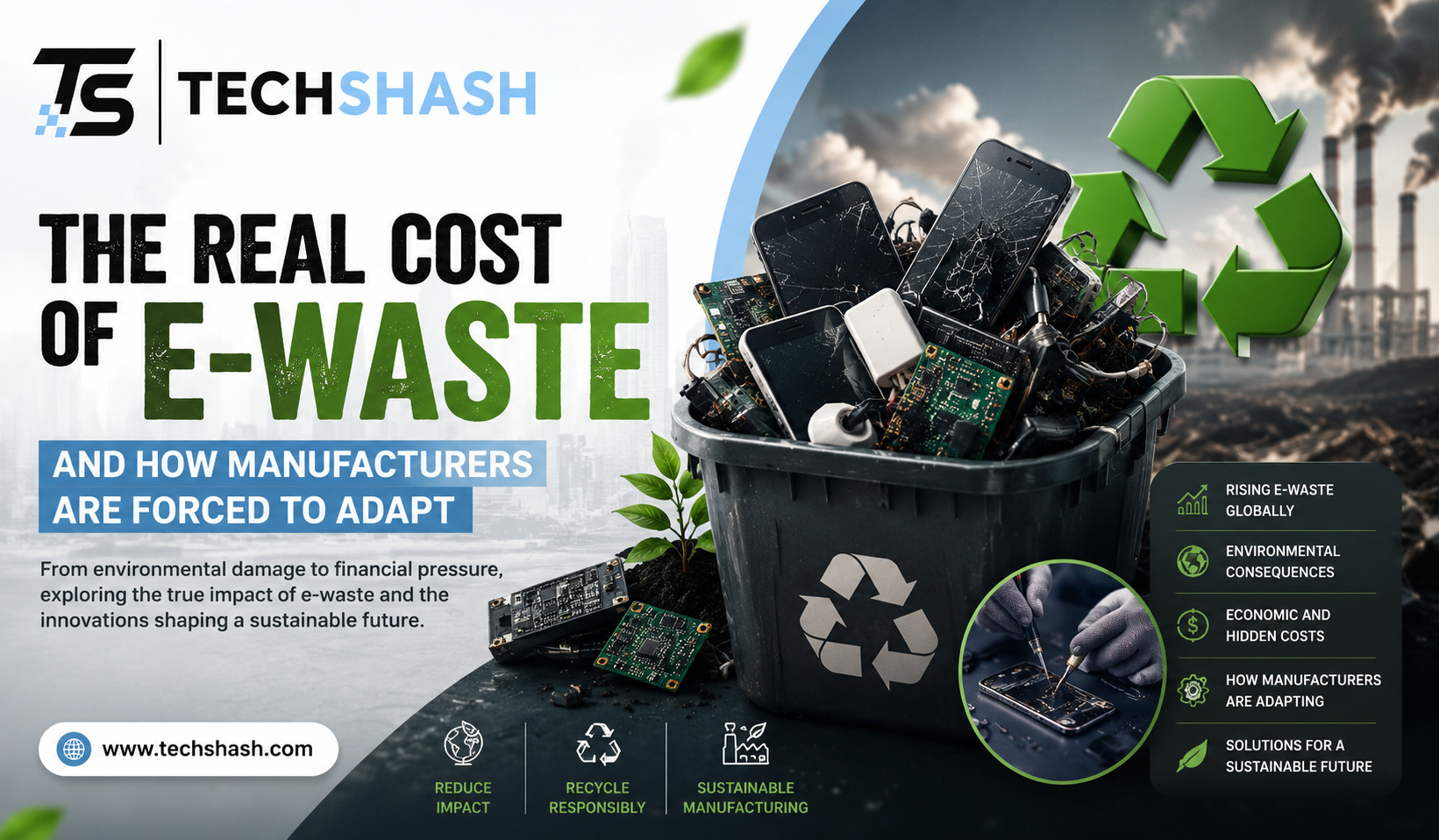
Every year, millions of discarded smartphones, laptops, televisions, and household appliances end up in landfills across the globe. Old electronics currently make up the fastest-growing solid waste stream on earth. Understanding the real cost of e-waste is essential as toxic chemicals soak into our soil and precious minerals disappear into garbage dumps.
Governments across the world now recognize this growing environmental danger. Consequently, lawmakers are introducing strict rules to make hardware makers accountable for the full life cycle of their devices. This article explains the hidden damage caused by discarded tech and shows how manufacturers must adapt to survive.
1. What Is Electronic Waste and Why Is It Growing So Fast?
Electronic waste, commonly called e-waste, refers to any discarded electrical device with a battery or power cord. This category includes old mobile phones, computer monitors, circuit boards, cables, electric toys, and large appliances like refrigerators.
Global consumption of personal technology has grown rapidly over the last two decades. Modern devices are often built with short lifespans, which encourages consumers to replace them every few years.
Many companies regularly update software in ways that slow down older hardware. This practice forces users to throw away perfectly good physical devices just to run basic applications.
The Problem of Short Device Lifespans
Consumers used to keep televisions and home appliances for decades. Today, the average user upgrades their mobile phone every two to three years.
Fast technological progress creates a mindset where functional devices are viewed as obsolete. Marketing campaigns urge buyers to buy the newest version long before their current device breaks down.
High Volume and Low Recycling Rates
The world generates over fifty million metric tons of electronic trash every single year. Only a small fraction of this total amount is collected and processed through official recycling programs.
Unregulated garbage channels handle the remaining portion of discarded electronics. As a result, massive heaps of valuable materials end up dumped in open fields or burned in open fires.
2. Understanding the Real Cost of E-Waste on the Planet
Discarded tech is not just ordinary garbage that sits harmlessly in a dump. Electronic devices contain complex mixtures of heavy metals, flame retardants, and synthetic chemicals.
When these items break down in landfills, dangerous poisons seep into surrounding land and underground water sources. This toxic contamination harms local plant life, wild animals, and nearby human populations.
Burning plastic casings and wires releases hazardous pollutants into the atmosphere. Nearby communities breathe in toxic fumes that contain dioxins and heavy metals.
Dangerous Chemicals in Daily Hardware
Circuit boards and displays often contain lead, cadmium, mercury, and beryllium. Lithium batteries pose serious fire risks when crushed inside standard waste collection trucks or trash compactors.
Exposure to lead causes severe brain and nerve damage, especially in growing children. Mercury contamination can disrupt human organ systems and poison aquatic life when washed into streams and oceans.
Impact on Vulnerable Local Communities
Much of the western world ships its scrap electronics to developing nations across Africa and Asia. Informal workers, including young children, pick through these trash yards without protective equipment.
Workers use dangerous chemical baths and open flames to extract tiny amounts of gold and copper. This hazardous work causes respiratory diseases, skin conditions, and long-term health crises for entire villages.
3. The Economic Loss of Unrecycled Metals and Rare Earth Elements
Throwing away electronics means throwing away vast amounts of precious natural resources. Modern devices contain copper, aluminum, gold, silver, palladium, and critical rare earth metals.
Mining these raw minerals requires massive amounts of energy, water, and destructive land digging. Dumping refined metals back into the ground wastes the energy used to mine them in the first place.
Recycling existing devices uses far less energy than digging raw ore out of the ground. Yet billions of dollars worth of usable raw materials are buried under trash every year.
The True Value Sitting in Garbage Dumps
A single ton of discarded mobile phones contains more gold than a ton of gold ore extracted from a mine. Scientists estimate that millions of dollars in precious metals remain trapped in unused household drawers.
Failing to recover these valuable elements drives up demand for fresh mining operations. New mining projects damage forest habitats and consume immense amounts of electricity.
Supply Chain Vulnerabilities
Rare earth elements like neodymium and dysprosium are required to make powerful magnets for speakers and electric motors. Mining these specific metals is concentrated in only a few regions of the world.
Relying entirely on freshly mined elements makes tech companies vulnerable to trade conflicts and supply shortages. Urban mining through electronic waste recycling offers a steady, reliable supply of essential raw materials.
4. New Regulations and Extended Producer Responsibility Laws
Governments are no longer letting hardware manufacturers ignore the trash their products create. New legislation is forcing corporations to take financial and physical responsibility for end-of-life electronics.
Extended Producer Responsibility laws require companies to build, fund, and maintain collection systems for old products. If a business sells a device in a country, that business must help take it back later.
Failure to meet strict recycling targets can result in heavy fines and restrictions on selling new products. These rules change how corporations calculate the cost of doing business globally.
Europe Leads the Regulatory Push
The European Union has introduced strict guidelines on toxic substances and waste management. European directives require manufacturers to remove hazardous chemicals like lead and cadmium from all electrical consumer products.
Recent rules also mandate a single universal charging port for mobile devices across all brands. This single policy eliminates thousands of tons of useless plastic cables and chargers every year.
Right to Repair Movement Gains Ground
Lawmakers in several regions now pass laws protecting the right of consumers to fix their own property. These laws require companies to sell genuine spare parts and supply repair manuals to independent repair shops.
$$\text{Recycling Rate} = \left( \frac{\text{Mass of Waste Recycled}}{\text{Total E-Waste Generated}} \right) \times 100$$
Manufacturers can no longer lock software to prevent independent repairs or third-party battery replacements. Right to repair laws make fixing broken items cheaper and easier than buying brand new replacements.
5. How Technology Companies Are Redesigning Products Today
Faced with tough regulations and rising material costs, electronics makers are changing their design strategies. Engineers are abandoning old methods in favor of sustainable electronics manufacturing principles.
Products are now being created with their eventual destruction and recycling in mind from day one. This process is called design for disassembly.
Devices built this way can be taken apart quickly using standard tools rather than heavy industrial glues. Easy separation allows recyclers to pull out valuable metals and safe components within seconds.
Modular Architecture and Easy Repairs
Some forward-thinking companies are creating modular smartphones and laptops. Users can swap out a broken screen, upgraded camera, or old battery without replacing the whole device.
Modular designs extend the practical life of a device by several years. Replacing one damaged component costs far less money than buying an entirely new hardware setup.
Switching to Recycled Materials
Leading computer makers now construct device casings using recycled aluminum and recovered ocean plastics. Using recycled materials reduces the carbon footprint of production while lowering total energy consumption.
Packaging has also changed drastically over the recent decade. Tech brands are replacing plastic trays and synthetic wraps with biodegradable paper fibers and mushroom-based packaging.
6. The Rise of Sustainable Electronics Manufacturing and Repair
The push for sustainability is creating new business opportunities across the global technology sector. A growing circular economy in tech focuses on keeping components in use for as long as possible.
Refurbished markets are expanding rapidly as consumers look for high quality at lower prices. Major retail stores now offer certified pre-owned phones and computers with full warranties.
Companies are discovering that selling services, software, and trade-in programs can be just as profitable as selling original hardware.
Closed-Loop Supply Chains
In a closed-loop system, a company takes back its own old products and feeds those materials directly into new factory assembly lines. Copper from old circuit boards becomes wiring for next-year models.
This system cuts dependency on raw material suppliers and protects companies against market price swings. Closed-loop production creates a sustainable cycle where minimal raw materials are ever wasted.
Repairability Scores as a Selling Point
Governments in countries like France now require tech items to display a public repairability index score on their packaging. This score tells buyers how easy or hard a product is to fix before they purchase it.
Products with high scores attract environmentally conscious customers who want long-lasting devices. Brands now compete openly to earn better scores by making their products easier to take apart and repair.
7. Actionable Steps for Consumers to Reduce Electronic Waste
While manufacturers must take major responsibility, individual choices make a huge difference in reducing electronic waste. Changing simple habits can prevent tons of usable equipment from reaching landfills.
Before purchasing a new gadget, ask yourself if your current device can be upgraded or repaired. A simple battery replacement or storage cleanup can make an old laptop run like new again.
When you must upgrade, handle your old equipment responsibly instead of throwing it into the household trash.
Smart Habits for Device Owners
- Protect your current hardware: Use sturdy protective cases and screen covers to prevent accidental physical damage.
- Maintain battery health: Avoid leaving devices plugged in overnight to preserve long-term battery capacity.
- Donate working items: Pass usable gadgets to local schools, charities, or family members who need them.
- Buy refurbished goods: Choose certified pre-owned devices to save money and reduce demand for new manufacturing.
- Locate certified recyclers: Drop off dead electronics at official collection centers that guarantee safe processing.
Choosing Responsible Brands
Support businesses that publish clear environmental reports and offer free trade-in programs. Check whether a brand provides spare parts and repair guides to the public.
Voting with your wallet sends a strong message to the entire consumer electronics industry. Consumer demand for sustainability forces remaining hesitant companies to adopt clean manufacturing habits much faster.
Key Takeaways
- Growing Environmental Crisis: Electronic trash is the fastest-growing waste stream on earth, creating severe toxic hazards when dumped in landfills.
- Resource Waste: Throwing away old electronics buries billions of dollars in gold, silver, copper, and critical rare earth metals.
- Regulatory Pressure: Extended Producer Responsibility laws and Right to Repair legislation force manufacturers to take back old products and support easy fixes.
- Design Changes: Companies now build devices using modular parts, recycled aluminum, and easily removable adhesives.
- Consumer Impact: Buying certified refurbished products and repairing existing devices drastically lowers individual contributions to e-waste.
Frequently Asked Questions
What toxic materials are commonly found in electronic waste?
Electronic waste frequently contains hazardous substances such as lead, mercury, cadmium, and flame retardants that can pollute surrounding environments.
What does Extended Producer Responsibility mean for tech companies?
Extended Producer Responsibility is a policy framework that requires manufacturers to pay for and manage the collection, recycling, and disposal of their products at the end of their usable life.
How does recycling old electronics save energy?
Extracting and refining metals from recycled circuit boards requires significantly less energy than mining and processing raw ore from the earth.
Why is the Right to Repair movement important?
The Right to Repair movement ensures consumers and independent technicians have access to necessary manuals, diagnostic tools, and spare parts to keep electronics running longer.
Conclusion
Addressing the real cost of e-waste requires strong action from both global hardware manufacturers and everyday consumers. Toxic pollution and the loss of valuable raw minerals prove that our old throwaway habits are no longer sustainable. Strict international regulations, modular product designs, and closed-loop recycling systems are helping transform the technology industry. By choosing to repair existing devices, purchasing refurbished hardware, and recycling old electronics responsibly, society can build a cleaner future where technology serves the planet without destroying it.