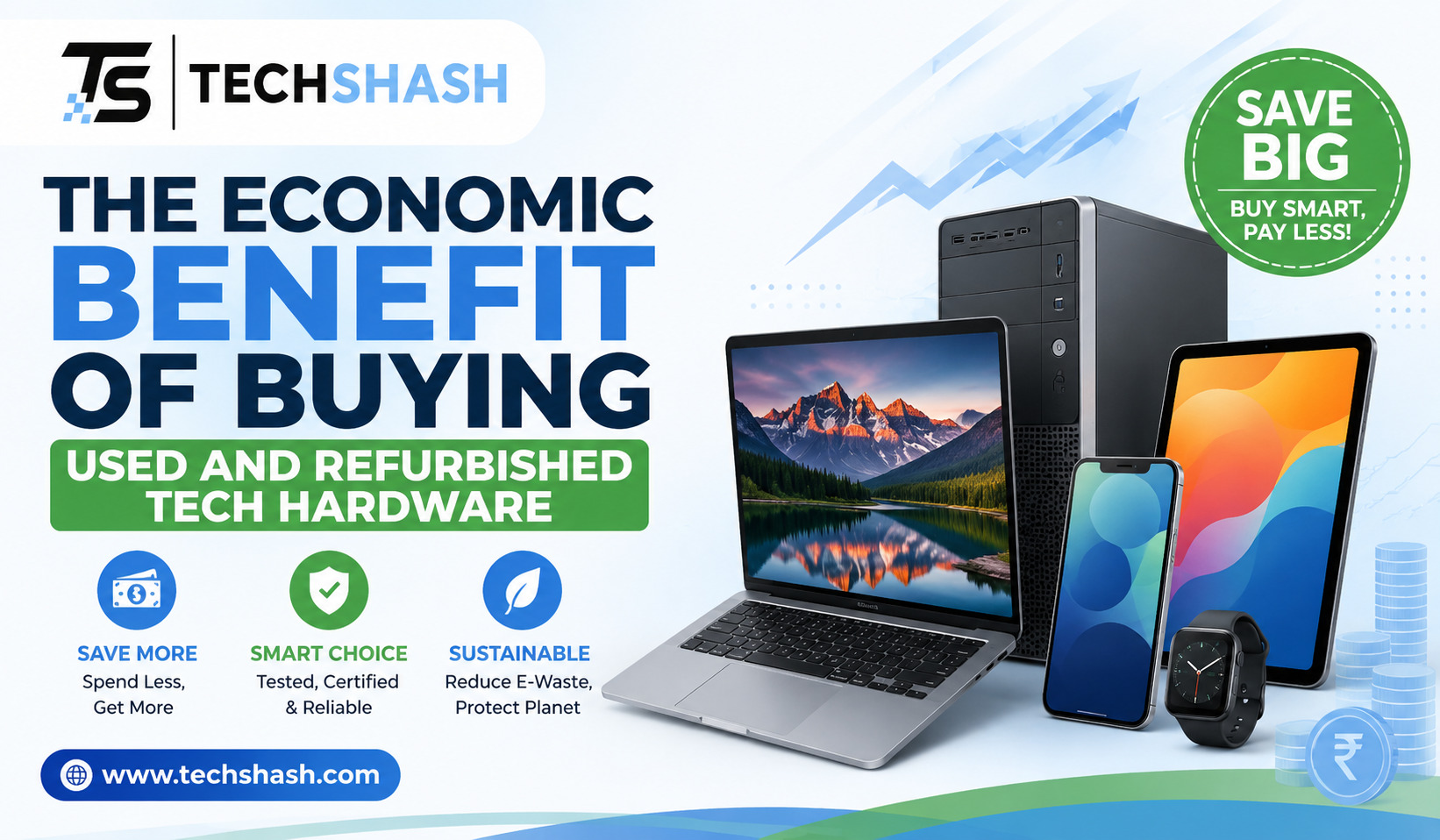
Buying brand new computer equipment often comes with a very steep price tag. Smart consumers and financial managers constantly seek ways to cut technology expenses while keeping productivity high. Understanding the economic benefit of buying used tech hardware gives buyers an immediate financial advantage without compromising performance. Choosing pre-owned computers, servers, and peripherals allows users to access powerful technology at a fraction of standard retail prices. This detailed article explores how purchasing refurbished equipment reduces software and hardware expenses, protects against rapid value loss, and maximizes your technology budget.
1. Direct Cost Savings and Upfront Discount Rates
Purchasing retail tech equipment requires paying maximum manufacturer suggested prices. The moment a brand new computer leaves the store shelf, it carries retail markup costs. Refurbished and pre-owned devices eliminate those retail markups completely.
Deep Discounts on Current Technology
Buying secondary market items allows individuals to secure savings between 30 and 70 percent compared to brand new models. These price cuts apply even to electronics that are only one or two years old.
Price Drops Across Different Device Categories
Discounts vary depending on the type of device you select. Desktop computers, enterprise servers, and commercial laptops usually see the largest price reductions. High-end workstations that cost thousands of dollars when new become affordable for everyday buyers.
Realizing Immediate Savings on Upgrades
Lower upfront prices mean buyers can purchase higher specifications than their original budget allowed. Extra memory, faster storage drives, and more powerful processors become attainable within reasonable spending limits. The initial discount creates immediate liquidity that individuals and companies can redirect toward other essential needs.
2. Slowing Down the Rapid Impact of Tech Depreciation
Brand new technology loses value faster than almost any other consumer purchase. The initial drop in market worth happens instantly after unboxing a new computer.
Understanding the Initial Depreciation Drop
A new computer loses a massive portion of its retail value within the first twelve months of use. This initial loss of market value hits the first buyer hardest. By purchasing pre-owned items, you completely avoid this initial financial drop.
Flattening the Loss Curve
After the first year, the rate of value loss slows down considerably. A pre-owned machine maintains a far more stable price curve over subsequent years. If you decide to sell the device two years later, you will recover a much higher percentage of your purchase price.
Better Return on Investment
Spending less money on a device that retains its value better yields a superior financial return. Capital is not wasted on fleeting novelty or brand-new packaging. You get full utility out of the hardware while preserving overall financial capital.
3. Commercial Grade Hardware at Consumer Price Levels
Not all computers are constructed with the same materials. Retail consumer laptops often rely on cheap plastic frames and lower-grade interior parts. Professional enterprise laptops use magnesium alloys, carbon fiber, and long-lasting mechanical switches.
Enterprise Electronics Versus Consumer Grade
Corporate fleets use business-class computers built for heavy daily usage and travel. When companies upgrade their infrastructure, these sturdy devices enter the pre-owned market. Buying pre-owned commercial units grants access to enterprise-grade construction at the price point of a flimsy new consumer laptop.
Superior Components and Durability
Business hardware features better cooling systems, stronger motherboards, and superior keyboards. These components outlast cheap consumer electronics by several years. Investing in used corporate equipment ensures longer device lifespan and fewer hardware failures.
Long Term Savings Through Build Quality
A well-made commercial laptop purchased second-hand will often outlive a low-cost new machine. Choosing structural durability over brand-new consumer status minimizes replacement frequency. This durability protects your bank account from frequent emergency repurchases.
4. Extending Maintenance Lifespans and Repair Budget Savings
Maintaining technology assets involves ongoing expenses for repairs and replacement components. Brand-new proprietary hardware often requires expensive factory repairs and specialized tools.
Modular Parts and Cheap Replacement Component Access
Older and pre-owned device lines have vast markets for spare parts. Replacement screens, power units, and keyboards are readily available online at low costs. Utilizing standardized spare parts reduces repair bills when components eventually wear out.
Standardized Repair Schedules
Technicians understand established hardware platforms thoroughly because these devices have been on the market for years. Repair work takes less time and costs less money in labor fees. Independent repair shops can service these machines easily without forcing expensive manufacturer maintenance plans.
Avoidance of Proprietary Lock-In Costs
Newer devices frequently solder memory drives and processors directly onto motherboards. That design prevents manual upgrades and forces full device replacement when one part fails. Pre-owned hardware from earlier design generations often retains modular slots, allowing inexpensive single-part upgrades.
5. Lowering Total Cost of Ownership for Small Businesses
Small business owners must stretch every operational dollar to remain competitive. Outfitting an entire office with brand new electronics requires substantial capital outlays.
Scaling Workstations Budget Efficiently
Equipping a team of ten employees with new high-end laptops can cost over fifteen thousand dollars. Purchasing certified pre-owned business laptops can lower that figure down to five thousand dollars. This reduction lowers the total cost of ownership for business infrastructure dramatically.
Office Setup Cost Comparison (10 Employees)
———————————————————
Brand New Laptops: $15,000 Total Outlay
Refurbished Laptops: $5,000 Total Outlay
Direct Capital Saved: $10,000 Available Cash Flow
Capital Expenditure Reductions
Saving cash on hardware deployments frees up capital for inventory, marketing, and staff wages. Businesses preserve cash flow while still providing workers with dependable tools. The financial flex room created by smart hardware sourcing helps smaller firms grow faster.
Flexible Tech Spending Models
Pre-owned hardware allows companies to test new projects without heavy financial risk. If a short-term contract requires extra workstations, buying used items limits sunk capital. Once project work ends, the hardware can be redeployed or resold with minimal loss.
6. Financial Risk Mitigation with Certified Warranties
A common concern regarding pre-owned electronics is reliability. Modern professional refurbishing processes have virtually eliminated this uncertainty for smart buyers.
Professional Refurbishment Standards
Reputable vendors subject returned hardware to rigorous multi-point inspections. Technicians test battery health, stress-test processors, replace worn components, and clean internal fans thoroughly. The economic benefit of buying used tech hardware increases significantly when purchasing through verified refurbishers.
Warranty Coverage and Replacement Guarantees
Most professional refurbishing companies back their devices with solid protection plans. Buyers receive certified refurbishment warranties ranging from ninety days to two full years. These guarantees match or exceed many standard factory warranties for brand-new products.
Reducing Financial Uncertainty
Warranty protection ensures that hardware failures will not cause unexpected expenses. If a refurbished device develops a defect, vendors repair or replace it at no charge. This guarantee converts potential hardware risk into predictable, safe financial savings.
7. Residual Value and Secondary Market Resale Benefits
The financial journey of a pre-owned computer does not end when you purchase it. Pre-owned technology maintains a active secondary market presence for years.
Maintaining Value for Resale
Because you purchased the machine after its largest depreciation drop, its value remains steady. Selling the device after two years of personal use allows you to reclaim a large portion of your original investment. The secondary market resale value offsets your overall usage cost.
Secondary Market Demand Factors
Students, remote workers, and hobbyists constantly seek reliable pre-owned technology. Popular business models retain high demand long after their official production ends. High demand ensures quick liquidity if you decide to upgrade your setup later.
Creating a Sustainable Buying Cycle
By purchasing pre-owned items and selling them later, you create a sustainable rolling technology cycle. Net expenditure per year drops to a tiny fraction of normal technology costs. This disciplined approach protects long-term savings while maintaining modern tech standards.
Key Takeaways
- Upfront Savings: Buyers save between 30 and 70 percent compared to new retail prices.
- Depreciation Protection: Pre-owned devices avoid the initial steep value drop occurring in year one.
- Quality Access: Commercial grade construction becomes accessible at consumer price points.
- Capital Efficiency: Small businesses reduce hardware deployment costs by thousands of dollars.
- Risk Protection: Certified refurbishers offer warranty coverage that protects your investment.
FAQs
How much money can I save by purchasing refurbished electronics instead of new ones?
Buyers typically save between 30 and 70 percent when choosing refurbished electronics over brand new retail models.
Do refurbished computers come with functional warranty protection?
Most reputable refurbishing vendors provide comprehensive warranties lasting anywhere from ninety days to two years.
Is commercial hardware better than consumer hardware on the pre-owned market?
Commercial hardware is built with stronger internal components and durable chassis materials that outlast standard consumer electronics.
How does purchasing pre-owned tech help small business capital flow?
Purchasing pre-owned equipment cuts office deployment expenses drastically, freeing up capital for hiring, marketing, and inventory needs.
Will a pre-owned laptop lose its value as quickly as a brand-new laptop?
Pre-owned laptops lose value at a much slower rate because the steepest initial depreciation occurred during the first owner’s usage.
Conclusion
Maximizing personal and business budgets requires smart purchasing decisions. Understanding the economic benefit of buying used tech hardware empowers consumers to make cost-effective hardware choices. By avoiding rapid initial depreciation, gaining access to durable business-grade components, and benefiting from certified vendor warranties, buyers achieve high performance at low costs. Choosing pre-owned electronics guarantees reliable technology while keeping your financial standing strong and secure.