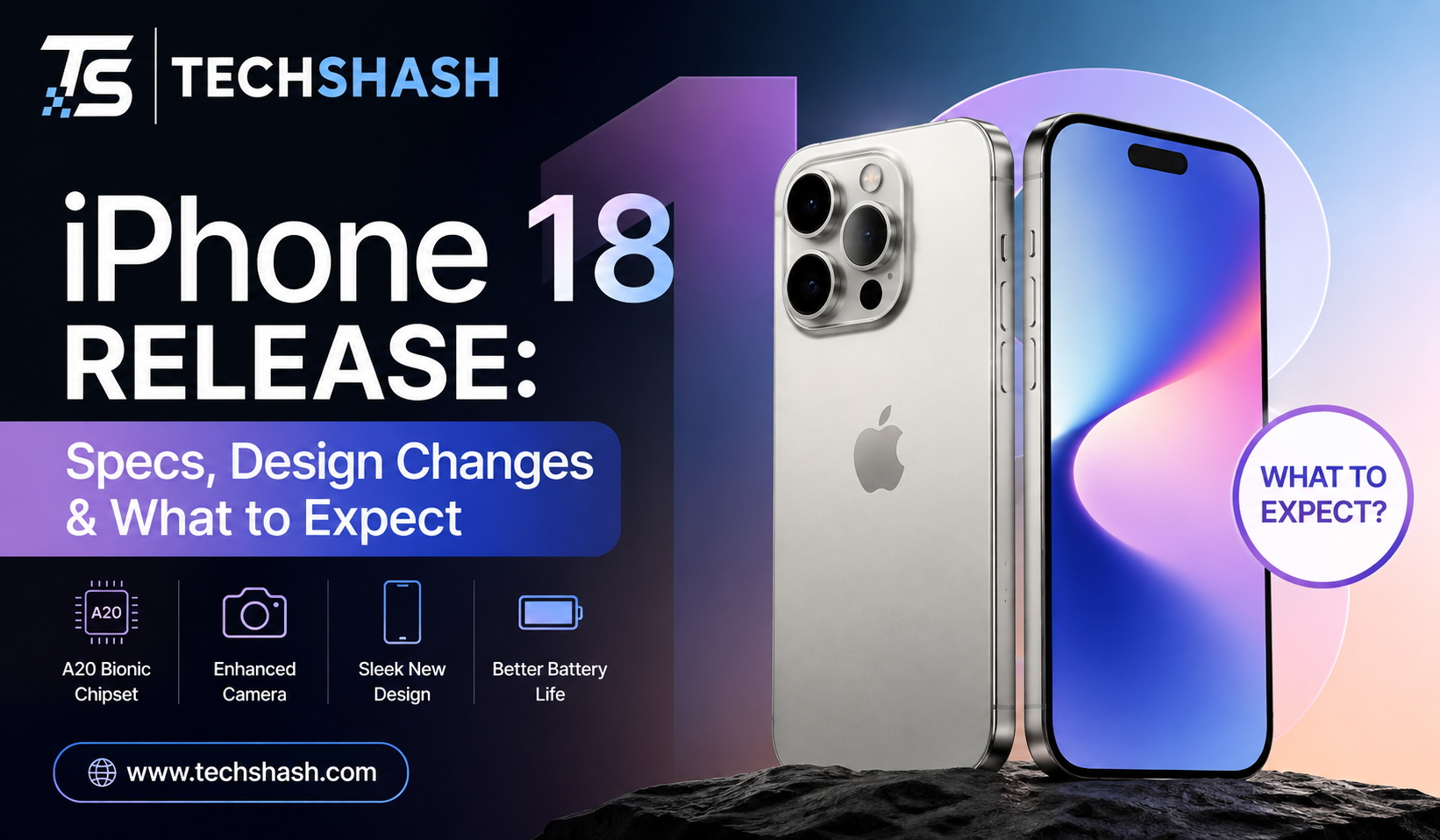
Standard smartphone updates often feel incremental, but upcoming hardware shifts have built immense curiosity among technology enthusiasts. Fans around the world are eagerly tracking every rumor regarding the iPhone 18 release. Industry leaks suggest big shifts in launch timelines, chip performance, and camera systems.
Knowing what changes are coming helps you decide whether to upgrade your phone now or wait for the next generation. Waiting for fresh technology can pay off when major features arrive. This detailed guide will explore expected release dates, hardware specifications, design updates, camera improvements, and core features in clear detail.
1. Expected Timeline and Schedule for the iPhone 18 Release
Apple usually follows a consistent calendar for fall hardware announcements. Industry reports suggest that the main launch event will occur in early September 2026.
Early buyers might notice a huge change in how models drop this year. Multiple supply chain leaks indicate that high-end Pro units will arrive first, while standard tier models might shift to early 2027.
Premium units like the Pro and Pro Max will head the fall rollout. A foldable flagship could also join the lineup during that exact launch event.
Key Schedule Breakdown
- Official Event Announcement: Expected during early September 2026.
- Pre-Orders Open: Usually starts the Friday following the event.
- First Shipments and Retail Store Availability: Targeted for late September 2026.
- Standard and Budget Models: Rumored for release in Spring 2027.
Standard versions like the base model and budget variants might see delays until the following spring. Waiting several extra months could feel frustrating for shoppers on a strict budget.
Splitting the launch schedule allows manufacturing plants to focus on complex Pro hardware first. Industry analysts believe this shift gives engineers more time to perfect new screen technology. The September 2026 launch window will remain the centerpiece for flagship shoppers wanting top features.
2. Anticipated Pricing Structure Across Models
Component prices across the tech industry continue to increase every single year. Higher costs for memory chips and advanced glass panels naturally push retail prices upward.
Entry-level Pro models could see a slight price increase compared to prior generations. Expect the base flagship tier to sit higher due to standard memory upgrades across the board.
Estimated Pricing Breakdown
- iPhone 18 Pro: Starting around $1,099 to $1,199.
- iPhone 18 Pro Max: Starting around $1,199 to $1,299.
- Foldable Premium Model: Estimated between $1,800 and $2,000.
- Standard iPhone 18 (Spring 2027): Estimated around $799 to $899.
Standard non-Pro models arriving later in 2027 should remain more affordable. Choosing between early premium hardware or delayed budget devices will depend on your individual wallet.
Rising costs stem from upgraded baseline storage and advanced sensor parts. Buyers getting 256 gigabytes of standard storage will receive better value for their money.
Planning your upgrade budget early makes the buying process much easier. Potential higher starting retail prices reflect the premium hardware inside these flagship models.
3. Screen Upgrades and Dynamic Island Changes
Display technology continues to evolve with sharper colors and higher efficiency. Display panels will maintain popular sizes like 6.3 inches for Pro models and 6.9 inches for Pro Max models.
Front screen design changes center around front camera cutouts. Visual cutouts may shrink considerably as sensor components move deeper behind the display glass.
Visual Changes and Color Options
- Dark Cherry: A deep, rich red tone replacing older dark shades.
- Light Blue: A soft pastey blue shade with a frosted matte look.
- Silver Titanium: A polished metallic classic finish.
- Black Titanium: A sleek dark finish with reduced reflection.
Rear glass finish might move to a unified single-piece look across the back panel. New color choices like dark cherry and light blue could replace older color options.
Smaller display cutouts create a cleaner screen viewing area during media playback. Users who dislike large screen cutouts will welcome these subtle design choices.
Higher screen brightness levels will help readability under direct bright sunlight. Watching movies or playing games outdoors will feel significantly more comfortable.
Refined bezel sizes around the screen will maximize actual viewing area without making the physical body larger. A smaller Dynamic Island cutout design will give users more visible screen real estate.
4. Next Generation Processor and Battery Performance
Performance upgrades center around brand new silicon architecture. The upcoming A20 chip will utilize advanced two-nanometer manufacturing processes to boost power while reducing energy consumption.
Efficiency gains mean longer daily usage times for active users. Lower heat output will also help retain top speeds during intensive mobile gaming sessions.
RAM Upgrades and Efficiency Benefits
- System RAM: 12GB across all Pro models for smoother multitasking.
- Thermal Control: Updated internal vapor chambers to spread heat evenly.
- Battery Life: Extended active time due to efficient processor architecture.
Memory capacity is expected to jump across the board to twelve gigabytes. Higher memory helps run complex background tasks without closing open applications.
Battery capacity increases should combine with efficient hardware to extend screen-on time. Heavy gamers and power users will notice substantial stamina gains.
Faster charging speeds are also expected to return with updated power chips. Refilling half your battery in under twenty minutes will save time during busy days.
Longer battery longevity means your handset will stay healthy for multiple years. Moving to a two-nanometer A20 processor represents a technical leap for mobile performance.
5. Camera Upgrades and Variable Aperture Technology
Mobile photography remains a primary deciding factor for many smartphone buyers. Main camera hardware will introduce variable aperture controls to adjust light capture mechanically.
Physical aperture adjustments allow crisp natural background blur during close-up portraits. Bright sunlight scenes will also benefit from better light balance.
Camera Hardware Highlights
- Main Camera: 48-megapixel sensor with mechanical variable aperture.
- Front Camera: Upgraded 24-megapixel selfie shooter.
- Telephoto Zoom: Enhanced optics for clearer long-range photography.
- Low Light Mode: Reduced noise and faster capture speeds in dark rooms.
Front selfie camera resolution is expected to jump up to twenty-four megapixels. Video calls and self portraits will look noticeably sharper with enhanced clarity.
Telephoto zoom lenses will receive sensor updates to improve clarity at long distances. Night photos will feature less noise and clearer details across dark areas.
Videographers will appreciate smoother image stabilization during handheld walking shots. Color accuracy in complex lighting will look far more natural.
Professional creators will get better tools for filming video content on the go. Adding a variable mechanical aperture lens gives photographers creative flexibility previously limited to full cameras.
6. Connectivity Upgrades with Custom Apple Hardware
Internal wireless hardware is receiving one of its biggest updates in years. Custom cellular modems designed in-house will replace third-party chips for cellular connections.
In-house modem designs give better control over cellular signal reception and battery drain. Users moving through weak signal zones should experience fewer dropped calls.
Wireless Improvements
- Cellular Modem: Custom C2 chip with high efficiency.
- Wi-Fi Standard: Next-generation Wi-Fi chips for faster local downloads.
- Satellite Features: Broader emergency coverage areas outside cellular towers.
Wireless local connectivity will use updated chips to support faster Wi-Fi networks. AirDrop transfers and personal hotspots will connect faster with fewer dropped transfers.
Satellite communication features will expand to cover more emergency messaging services. Outdoor travelers will gain added safety options when far away from cell towers.
Data speeds will stay consistent even inside crowded stadiums or concert venues. Better antenna design reduces power usage while searching for signals.
Everyday browsing will feel snappier because web requests process faster. Incorporating a custom C2 modem chip marks a strategic shift toward controlling core hardware.
7. Software Integration and On-Device Intelligence
Advanced hardware requires specialized software to unlock its full capabilities. Operating system updates arriving alongside new devices will feature heavy automation and smart tools.
On-device processing ensures user data stays private inside internal storage. Speed improvements make virtual assistant queries feel instantaneous without server delays.
Smart Automation Features
- Photo Editing: Automatic object removal with smart background fill.
- Audio Recording: Real-time transcriptions and voice summaries.
- Battery Management: Predictive charging schedules based on usage patterns.
Photo editing tools will automatically clean up background distractions with simple taps. Text summarization and transcription features will run quietly in the background.
System optimization keeps battery drain low even when heavy background tasks run continuously. Smooth interactions between hardware and software keep daily usage snappy.
Siri voice interactions will understand conversational context much better than before. Managing daily calendars and messaging contacts will require fewer direct manual steps.
Personalized routines will adjust phone settings automatically depending on your location. Running smart tasks using on-device artificial intelligence protects privacy while boosting daily productivity.
Key Takeaways
- Launch Timeline: Pro models are targeted for a September 2026 launch window, while standard models may debut in early 2027.
- Processor Upgrades: Powered by the new two-nanometer A20 chip for faster speeds and lower battery consumption.
- Memory Standards: Flagship models jump to twelve gigabytes of memory to support heavy background processing.
- Camera System: Main cameras introduce physical variable aperture controls for enhanced depth and lighting control.
- Custom Modems: Apple transitions to custom in-house C2 modems for improved cellular connectivity and battery efficiency.
FAQs
When is the iPhone 18 release expected to happen?
The flagship Pro models are expected to launch in September 2026, while standard versions may follow in early 2027.
What is the expected starting price for the new models?
The flagship Pro models are expected to start around one thousand ninety-nine dollars due to upgraded internal components.
Will all models receive the new A20 chip?
Both base and Pro lines are expected to feature A20 series processors, though Pro models will use higher tier versions.
What is the biggest camera upgrade coming to the flagship lineup?
Main cameras are expected to feature variable mechanical aperture technology for superior light control and background depth.
Why is Apple introducing a custom cellular modem this year?
Designing custom modems gives Apple greater control over signal stability, internal hardware integration, and battery efficiency.
Conclusion
Early leaks show that the upcoming iPhone 18 release will represent a major milestone in smartphone technology. From custom modems and two-nanometer chips to variable camera apertures, hardware changes look substantial across every tier.
Deciding whether to upgrade depends heavily on what smartphone you currently own. Users with older devices will notice massive improvements in speed, camera quality, and overall battery life.