
Introduction
Blood sugar used to be something only people with diabetes thought about regularly. That has changed fast. A continuous glucose monitor, once a prescription-only medical device, is now something a curious, healthy adult can buy over the counter and stick on their arm. This article looks at how that shift happened, why biohackers have embraced the technology so quickly, and what doctors actually think about using it without a medical need.
1. What a Continuous Glucose Monitor Actually Does
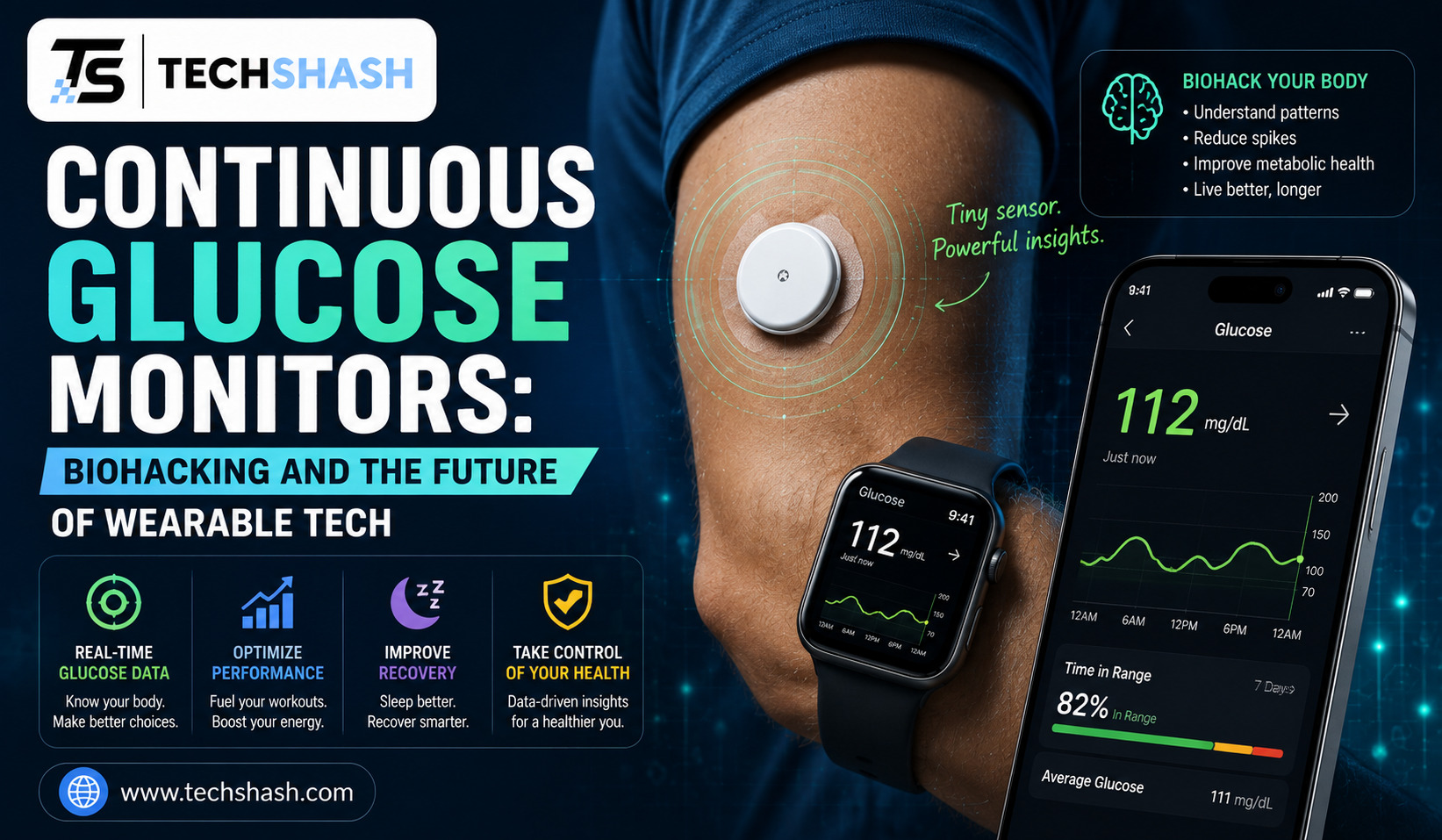
A CGM is a small wearable biosensor, usually worn on the back of the upper arm, that measures glucose levels in the fluid just beneath the skin around the clock. Instead of a single finger-prick snapshot, it produces a continuous stream of data showing how blood sugar rises and falls in response to meals, exercise, stress, and sleep.
The technology was built for people with diabetes, where tight glucose control meaningfully reduces complications and improves quality of life. Traditional CGMs require a sensor inserted into the skin, and until recently, getting one meant going through a doctor and a prescription.
2. How CGMs Became Available Without a Prescription
That changed when the FDA cleared the first over-the-counter continuous glucose monitor in 2024, opening the technology to anyone curious about their metabolic health rather than only those managing a diagnosed condition. The shift has continued since then. In June 2026, the FDA approved an over-the-counter CGM for children as young as two years old who do not use insulin, marking the first time this kind of device has been cleared for over-the-counter sale to a pediatric population.
As of 2026, the Dexcom Stelo and Abbott Lingo remain the only true OTC continuous glucose monitors available without a prescription, and both are FDA-cleared specifically for non-insulin users aged 18 and older. Prescription-only devices, including the Dexcom G7 and FreeStyle Libre 3 Plus, still offer tighter accuracy and features like real-time alerts, but they remain reserved for people with a diagnosed condition and a doctor’s involvement.
3. The Devices Leading the Non-Diabetic Market
The Dexcom Stelo comes from the same company behind the G6 and G7 sensors used by people with diabetes, but it was built specifically for non-diabetic users who want glucose insight without a prescription. Each sensor lasts 15 days, longer than most competitors, connects over Bluetooth to a companion app, and integrates with the Oura Ring, making it a natural addition for anyone already tracking sleep and recovery. The device is waterproof up to 8 feet and holds 12 hours of data. Pricing runs around $89 a month on subscription, or roughly $55 for a single sensor purchased outright.
Abbott’s Lingo takes a lower-cost approach, priced around $49, offering raw glucose data without the coaching or AI-driven insights some competitors build in. Signos sits at the premium end of the market, priced between $129 and $199 a month, and stands out as the only platform with an FDA-cleared weight management indication, using AI-driven recommendations about when and what to eat based on a person’s real-time glucose patterns.
Because sensors need replacing every 14 to 15 days, the ongoing cost functions more like a subscription than a one-time purchase, regardless of which brand someone chooses.
4. Why Biohackers Are Drawn to Glucose Data
For people already interested in optimizing sleep, recovery, and performance through wearable data, glucose is an obvious next metric to track. A CGM offers something a scale or a step counter cannot: a real-time window into how a specific meal, workout, or stressful afternoon actually affects the body internally, not just externally.
That appeal fits neatly into the broader wearable ecosystem biohackers already use. Pairing a glucose sensor with a sleep-tracking ring or an activity tracker lets someone build a fuller picture of how food, movement, and rest interact, something that used to require a lab visit and is now available continuously from a device stuck to an arm.
5. What the Medical Community Actually Says
Enthusiasm from the biohacking world has not been matched by enthusiasm from clinicians. Multiple endocrinologists interviewed on the subject have been blunt about the current evidence. As one specialist put it, using a CGM in people without diabetes who feel well and have no metabolic disease generally does not add clinical value. Several endocrinologists surveyed did not recommend CGMs for people without diabetes at all.
The core concern is not that the data is inaccurate, but that healthy people generally do not know what to do with normal glucose fluctuations that happen naturally throughout the day. Without an underlying condition to manage, a spike after a carbohydrate-heavy meal is often just a spike, not a warning sign, and treating every fluctuation as meaningful can create anxiety around eating rather than genuinely useful insight.
6. Where the Science Currently Stands
Research into CGM use among non-diabetic people is still an active, developing area rather than a settled question. A systematic review examining CGM use in non-diabetic individuals for cardiovascular risk prevention looked specifically at whether CGM-guided lifestyle interventions improve metabolic outcomes, drawing on studies published between 2020 and 2025.
That kind of review reflects where the science actually sits right now: genuinely being studied, with growing interest in whether glucose data can guide meaningful lifestyle changes in healthy people, but without the kind of established clinical consensus that exists for CGM use in diabetes management. Anyone buying a CGM purely out of curiosity should understand that the underlying science on its benefit for healthy users is still being worked out, not already proven.
7. The Next Generation of Glucose Sensing
Even within the CGM category, the sensor technology itself keeps evolving. Biolinq has developed a microarray intradermal biowearable currently in clinical trials, designed to be worn for up to five days, aiming to reduce the discomfort and duration limitations of current sensor designs.
Further out, researchers are exploring genuinely noninvasive glucose sensing that avoids skin insertion altogether, using alternative bodily fluids such as sweat or tear fluid instead of interstitial fluid beneath the skin. Some of this research has taken the form of experimental contact lenses and mouthguards designed to sense glucose passively. These approaches remain in earlier research stages rather than shipping consumer products, but they point toward a future where continuous glucose data could be collected without any skin-penetrating sensor at all.
8. What to Weigh Before Buying One
Before buying a CGM out of curiosity, a few practical questions are worth considering:
- Does the ongoing sensor replacement cost, roughly every two weeks, fit comfortably into a regular budget.
- Is the goal genuine curiosity about metabolic patterns, or a specific concern that would be better addressed with a doctor first.
- Does the chosen device integrate with other wearables already in use, such as a sleep-tracking ring or fitness tracker.
- Is there a realistic plan for interpreting the data, rather than reacting anxiously to every glucose fluctuation the app reports.
Key Takeaways
- What it measures: A CGM continuously tracks glucose levels in fluid beneath the skin, without requiring finger pricks.
- Access shift: The FDA cleared the first OTC CGM in 2024, and expanded OTC access to children as young as two in June 2026.
- Leading OTC options: Dexcom Stelo and Abbott Lingo are the main non-prescription CGMs available as of 2026, both cleared for non-insulin users 18 and older.
- Medical skepticism: Multiple endocrinologists say CGM use offers no established clinical value for healthy people without diabetes.
- Ongoing research: Studies on CGM-guided lifestyle changes in non-diabetic people are active but not yet conclusive.
- What’s next: Intradermal microarray sensors and early noninvasive approaches using sweat or tear fluid point toward the next generation of glucose tracking.
FAQs
Can I buy a continuous glucose monitor without a prescription? Yes, the Dexcom Stelo and Abbott Lingo are both FDA-cleared for over-the-counter purchase by non-insulin users 18 and older.
Do doctors recommend CGMs for people without diabetes? Generally no, several endocrinologists have said CGM use does not add clinical value for healthy people without a metabolic condition.
How long does a CGM sensor last? Most sensors last 14 to 15 days before needing replacement, creating an ongoing cost similar to a subscription.
Is there scientific proof that CGMs help healthy people improve their health? The evidence is still developing, with active research studying whether CGM-guided lifestyle changes benefit non-diabetic individuals.
What is the next generation of glucose monitoring technology? Researchers are developing intradermal microarray sensors and exploring fully noninvasive approaches using sweat or tear fluid instead of skin-penetrating sensors.
Conclusion
The continuous glucose monitor has moved from a diabetes management tool to a mainstream biohacking device faster than the medical research behind it has caught up. Over-the-counter access has made real-time metabolic data available to anyone curious enough to try it, and companies keep building fuller ecosystems around that data through integrations with sleep trackers and AI-driven coaching. Whether that data translates into meaningfully better health for people without diabetes remains an open question, one that current research is still working through rather than one science has already answered.