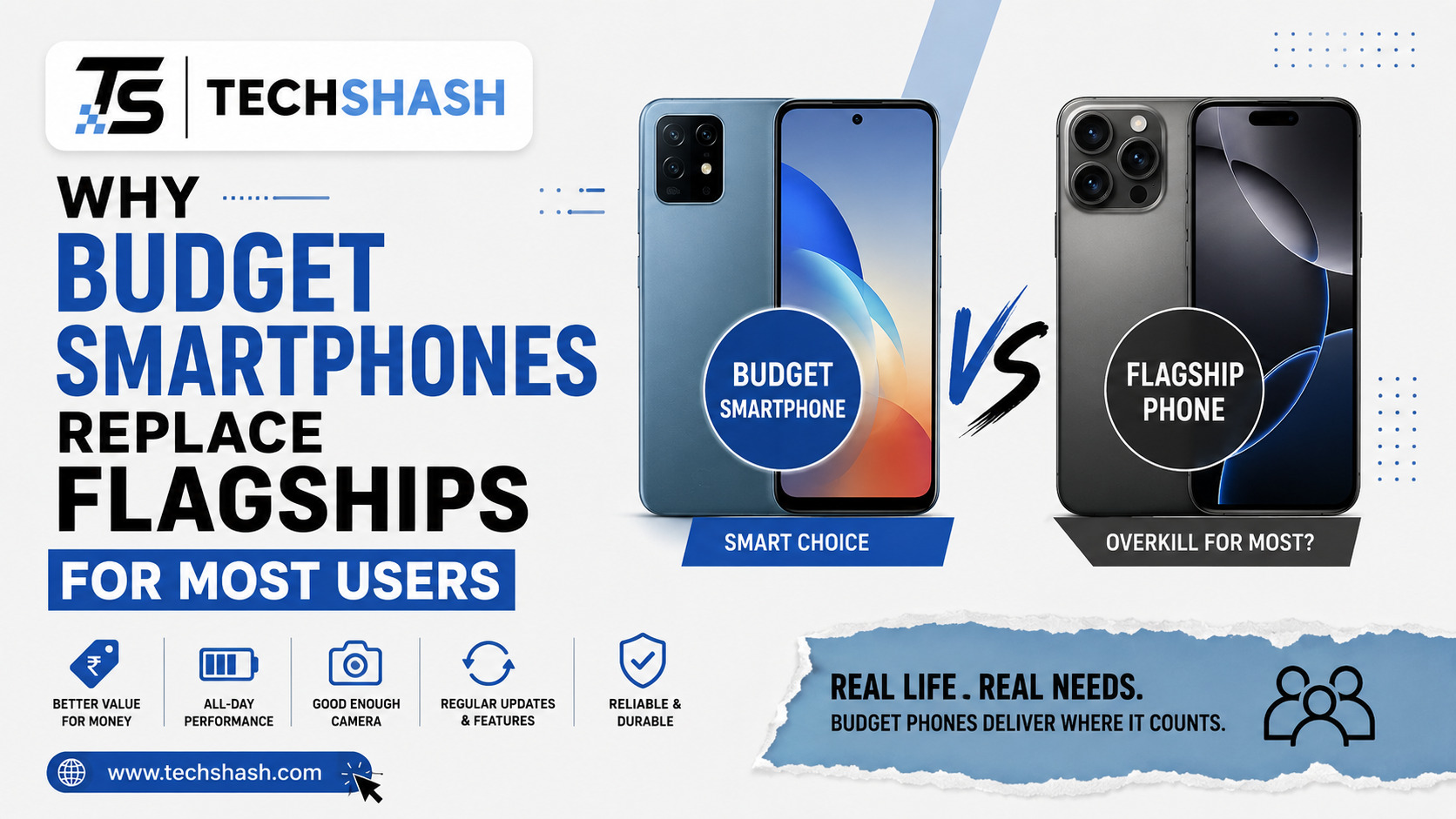
Buying a new mobile phone used to require spending thousands of dollars if you wanted a smooth experience. Modern technology has changed that reality for consumers around the globe. Many buyers now wonder if modern budget smartphones replace flagships for daily use without forcing significant compromises.
Price tags on top-tier mobile devices continue to climb higher every single year. At the same time, affordable handsets receive feature upgrades that were once reserved only for high-cost devices. You no longer need to spend a massive sum of money to get a device that opens applications fast, takes sharp pictures, and lasts through a long day.
This detailed guide will explore how entry-level and mid-range devices compare to expensive luxury models across every major category. You will learn where lower-cost devices succeed, where they fall short, and whether upgrading to a top-tier model remains worth your hard-earned money.
1. How Budget Smartphones Replace Flagships in Everyday Performance
Mobile processors have reached a point of diminishing returns for typical phone users. A few years ago, buying an inexpensive phone meant dealing with lagging menus, sudden application crashes, and sluggish system startup times. Modern entry-level processors from major chipmakers now deliver smooth performance for social media, web browsing, and video streaming.
Most people use their handheld devices for basic communications, casual games, and reading news articles. These standard daily tasks do not demand the raw processing power found in expensive top-tier chips. Silicon designers build lower-cost processors using efficient architecture designs that process daily workloads without stuttering or freezing.
RAM capacity on lower-cost handsets has also expanded dramatically over recent years. Hardware models priced under three hundred dollars regularly ship with six or eight gigabytes of memory. Having adequate memory allows mobile operating systems to keep multiple applications ready in the background without constantly restarting them.
Because of these hardware upgrades, the speed gap between a three-hundred-dollar phone and a twelve-hundred-dollar phone feels small during standard operation. Launching a heavy program might take a fraction of a second longer on a lower-cost model, but that brief pause rarely affects overall user satisfaction. Affordable processors handle daily tasks with impressive stability.
2. Display Technologies Bringing High Refresh Rates to Affordable Phones
Screen quality used to be the easiest way to spot a cheap mobile phone. Dull colors, low resolutions, and thick plastic borders dominated the affordable phone segment for a long time. High-end devices reserved bright screens and smooth animations for customers willing to pay top prices.
That sharp dividing line has largely disappeared from the modern mobile market. Manufacturers now fit lower-cost models with vibrant OLED displays that offer deep contrast levels and rich color rendering. Rich black tones and bright screen output are now standard features on affordable hardware.
High refresh rates have also moved down into lower price tiers. Scrolling through social media feeds or system settings feels fluid when a display refreshes ninety or one hundred twenty times every second.
Display Upgrades in Modern Budget Hardware
- OLED technology: Delivers deep black tones and high power efficiency across lower price points.
- 120Hz refresh rates: Creates smooth visual animations and responsive touch feedback during daily scrolling.
- High peak brightness: Allows users to read screen content outdoors under direct sunlight without straining their eyes.
Glass protection on cheaper display panels has improved as well across affordable lines. Toughened glass covers protect lower-cost screens against accidental drops and surface scratches much better than older models did. A bright, fluid screen gives an inexpensive device the visual look of an expensive flagship product.
3. Camera Performance in Everyday Lighting Conditions
Camera quality was historically the weakest aspect of low-cost mobile hardware. Photos taken on cheap devices often looked blurry, washed out, or noisy whenever light levels dropped slightly. Expensive flagships maintained a massive lead by using custom image sensors and dedicated image processing chips.
Primary camera sensors on lower-cost devices have improved substantially over recent hardware generations. Manufacturers now include high-resolution fifty-megapixel main sensors in affordable models. These main sensors capture detailed daylight photography that can stand alongside photos taken by expensive models.
Image processing software carries out much of the heavy lifting for modern mobile cameras. Lower-cost devices use artificial intelligence algorithms to balance exposure levels, improve shadow details, and sharpen outlines automatically. When taking outdoor photos in bright daylight, telling the difference between a cheap phone photo and a flagship photo is genuinely difficult.
Limitations in Low-Light and Secondary Lenses
- Low-light environments: Dark scenes can show digital noise and reduced image sharpness compared to expensive sensors.
- Ultrawide resolution: Secondary wide-angle lenses on lower-cost devices often feature lower megapixel counts and weaker color balance.
- Optical zoom missing: Most lower-cost devices rely on digital cropping rather than dedicated telephoto glass lenses.
Night mode shooting algorithms have also made steady progress on lower-cost mobile phones. While expensive devices still capture cleaner night shots with less motion blur, modern affordable devices can produce clear evening photos suitable for social sharing. Camera quality on low-cost devices satisfies the needs of most average users.
4. Battery Life and Fast Charging Capabilities
Battery endurance is one clear area where low-cost devices regularly outperform expensive flagship models. Top-tier devices pack power-hungry processors, bright ultra-high-resolution displays, and extra sensors into thin frames. Those demanding components draw heavy power, requiring frequent visits to a charging cable.
Cheaper phones frequently include massive five-thousand-milliamp-hour batteries paired with power-efficient mid-range processors. Because their processors consume less energy during standard tasks, lower-cost devices easily deliver two full days of moderate use on a single charge cycle.
Charging speeds on affordable devices have also seen tremendous improvements in recent times. Many low-cost Android phones include fast wired charging adapters directly inside the retail box. Owners can recharge their device from zero to fifty percent in under thirty minutes without purchasing extra accessories.
Smart power management features built into mobile software also help preserve battery health over time. Operating systems limit background energy consumption from inactive programs automatically. Having a device that lasts all day without battery anxiety gives affordable options a practical advantage over several power-hungry premium models.
5. Software Support and System Stability Over Time
Software longevity used to be a primary concern for buyers considering affordable mobile hardware. Inexpensive phones frequently launched with outdated operating system versions and received few, if any, future software updates. Owners were forced to replace their hardware every two years just to maintain application compatibility and basic security.
Major smartphone makers have transformed their software update schedules across all price points. Brands now promise four years of security updates for many mid-range and lower-cost products. This policy change ensures that affordable hardware stays safe against security vulnerabilities for extended periods.
Custom user interfaces have also become lighter and more optimized than in previous years. Operating system software avoids heavy background visual effects that used to slow down entry-level processors over time.
Regular system updates keep banking applications, digital wallets, and personal messaging tools running securely. Extended software support means owners can keep their affordable devices longer without feeling pushed to buy a new device every single year. Long software support cycles make lower-cost devices far better long-term investments than they were in past years.
6. Areas Where Premium Devices Still Hold a Clear Lead
Although lower-cost devices have closed the gap in many daily features, premium hardware maintains clear advantages in specialized categories. Buyers who demand cutting-edge technology will find that top-tier prices purchase capabilities that cheap hardware cannot replicate.
External materials on luxury devices feature high-grade metals and engineered glass elements. High-end phones utilize titanium or aluminum frames alongside advanced glass backings that feel exceptionally sturdy in hand. Expensive phones also carry certified IP68 water resistance ratings that protect internal components against total immersion in water.
Features Reserved for High-End Devices
- Periscope telephoto zoom: Dedicated optical zoom lenses capture crisp long-distance images without relying on digital image cropping.
- Wireless and reverse charging: Qi wireless charging pads and wireless power sharing remain rare features on entry-level models.
- Heavy gaming performance: Top-tier graphics processing units run demanding 3D titles at maximum frame rates without stuttering.
Video recording capabilities also separate expensive devices from lower-cost options. High-end phones record smooth 4K video at high frame rates with advanced optical image stabilization and professional color profiles. If your daily work relies on professional video capture or heavy mobile gaming, expensive hardware remains the better tool.
7. Deciding Which Type of Device Fits Your Daily Needs
Selecting between an affordable device and an expensive flagship model comes down to your personal habits and financial priorities. Evaluating how you actually use your mobile phone prevents you from overpaying for hardware features you might never touch.
If your daily usage revolves around text messaging, web browsing, video streaming, and updating social media accounts, an affordable device will meet your needs completely. Paying extra money for raw processing power you never utilize provides very little practical value.
On the other hand, mobile gamers, content creators, and business power users benefit from high-end hardware. Flagship devices deliver high frame rates in complex games, advanced camera controls, and rugged build materials that endure tough environments.
Making a wise purchasing decision requires looking closely at your true daily hardware requirements. For a large majority of mobile users today, spending top dollar on a phone is no longer necessary to enjoy a smooth experience.
Key Takeaways
- Performance gap closed: Lower-cost processors handle daily tasks, social applications, and web browsing with fast speeds.
- Premium displays for less: Modern budget phones feature high-refresh-rate OLED screens with rich colors and sharp clarity.
- Sustained battery life: Efficient processors and large battery capacities give lower-cost devices superior battery endurance.
- Extended software support: Manufacturers now offer multi-year software updates on lower-cost devices to improve hardware longevity.
- Flagship advantages remain: Expensive devices still lead in optical camera zoom, high-end video recording, IP water resistance, and heavy 3D gaming performance.
FAQs
Can budget smartphones replace flagships for daily tasks like web browsing and messaging?
Yes, modern low-cost processors and expanded memory capacities handle daily tasks such as web browsing and messaging smoothly without system lag.
Do cheap smartphones take good photos in daylight?
Main camera sensors on affordable devices take sharp, color-accurate photos in daylight conditions that rival images from expensive models.
Do budget phones last as long as flagship phones?
Extended software update promises from major manufacturers allow lower-cost devices to remain secure and functional for four to five years.
What features do you lose when choosing a lower-cost smartphone?
Buying a cheaper device usually means giving up wireless charging, optical telephoto zoom, certified water resistance, and top-tier gaming performance.
Is buying a flagship smartphone still worth the high price tag?
Purchasing a top-tier device is worth the money primarily for content creators, mobile gamers, and users who require specialized camera zoom or premium materials.
Conclusion
Modern mobile technology has reached a point where affordable hardware satisfies the needs of most everyday users. High quality displays, reliable primary cameras, long battery life, and extended software support have transformed lower-cost mobile devices into excellent everyday options. While expensive top-tier phones still lead in specialized areas like heavy gaming and optical zoom photography, average users do not need to spend over a thousand dollars for a great device. Deciding whether budget smartphones replace flagships for your personal setup depends on your personal hardware needs, but for most people, an affordable phone is more than good enough today.