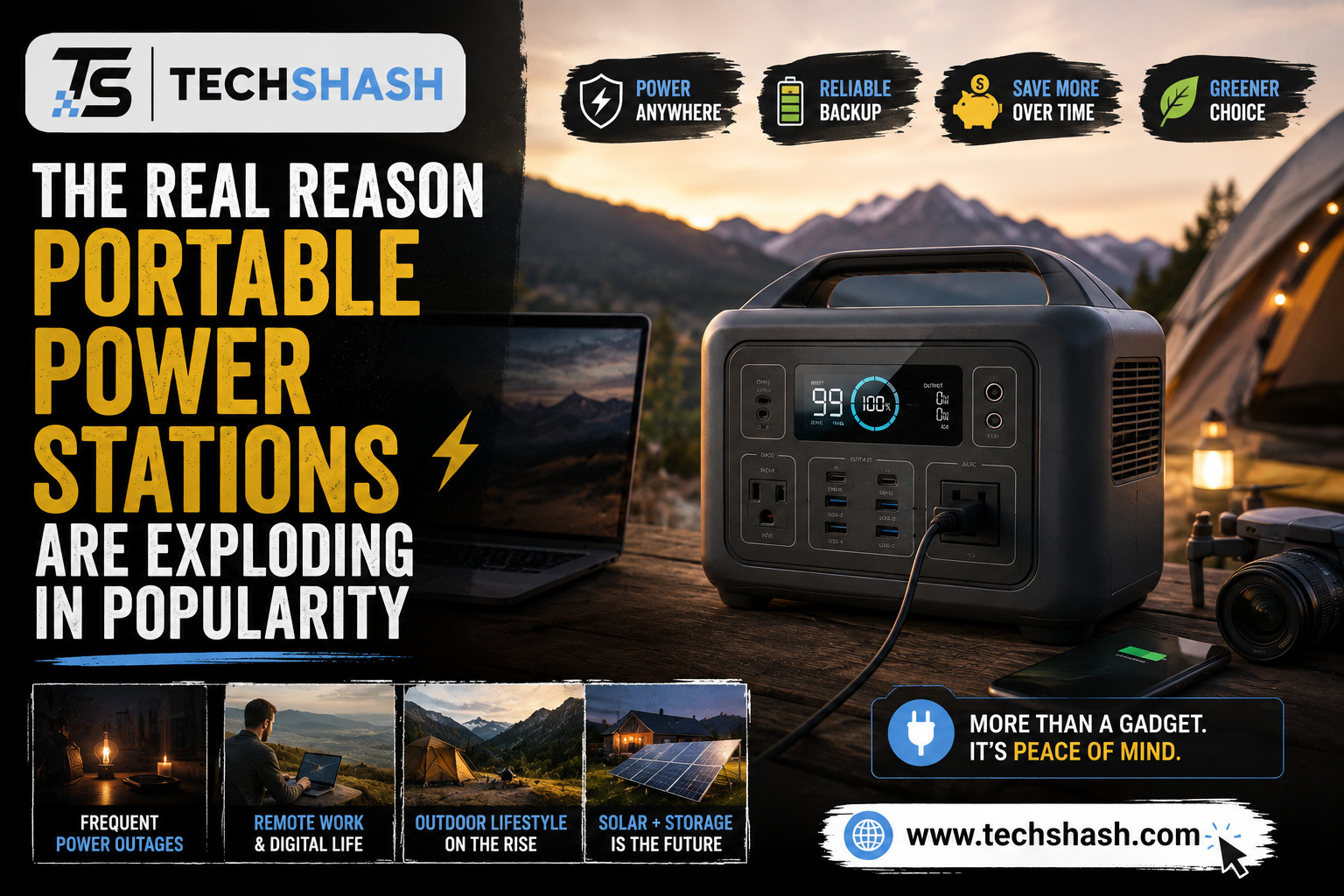
When the lights go out during a sudden storm, most people used to sit in the dark and wait for help. Today, thousands of families reach into their closets and turn on a silent box that powers their lights, phones, and refrigerators instantly.
These compact battery units have transformed how households prepare for emergencies and enjoy outdoor adventures. In recent years, portable power stations have rapidly grown from a niche gadget for campers into a standard household appliance for millions of homeowners.
Understanding why this shift is happening requires looking at changing weather patterns, new technology, and shifting lifestyles. People want reliability, safety, and clean energy without the hassle of traditional backup tools. This comprehensive guide explains the exact reasons behind this massive surge in consumer demand.
1. The Sudden Rise of Severe Weather and Power Grid Failures
Power outages are no longer rare events that happen once every few years. Blizzards, heatwaves, and unexpected heavy storms hit local infrastructure harder than ever before.
Many aging power networks struggle to handle extreme temperatures and rising energy consumption. Because of these unreliable electrical grids, millions of neighborhoods experience sudden blackouts during peak summer heat or freezing winter nights.
When the main power grid fails, basic home comforts disappear in seconds. Food spoils in dark refrigerators, medical equipment stops running, and indoor climate control shuts down completely.
The Need for Instant Home Backup
Sitting in a dark house without electricity creates immediate stress for families. Parents need to keep milk cold for young children, while remote workers worry about missing urgent work deadlines.
Having a dependable energy reserve inside the house brings peace of mind during emergency situations. A quick push of a button restores essential devices without waiting for utility crews to fix line damage outside.
Long Outages Require Accessible Power
Some major storms leave entire counties without electricity for several days. Standard small phone battery packs run out of energy after just one or two full charges.
Larger battery systems hold enough energy to keep vital electronics running for extended periods. Homeowners can recharge their phones multiple times, run bright LED lamps, and keep small kitchen appliances working through long outages.
2. The Shift Away From Gas Generators
For decades, noisy gas generators were the primary option for temporary backup electricity. While gas units produce plenty of energy, they come with serious drawbacks that frustrate average users.
Gas engines produce dangerous carbon monoxide gas, meaning you cannot run them inside a house or garage. They also require constant fuel purchases, regular oil changes, engine maintenance, and pull-cord starts that many people find difficult to operate.
Battery-powered alternatives operate with zero toxic fumes and require no engine oil or liquid fuel. Users can safely place them on a bedroom nightstand or living room coffee table without any health risks.
Silence Over Deafening Engine Noise
Traditional combustion engines create loud motor noise that disturbs entire neighborhoods. Running a gas motor all night makes sleeping nearly impossible for your family and your neighbors.
Modern battery stations operate almost silently because they rely on solid-state electronics rather than moving engine parts. Small cooling fans run quietly only when internal temperatures rise during high power output.
Convenience for Everyday Users
Starting a traditional gas engine often requires pulling a heavy recoil cord multiple times in bad weather. If gasoline sits inside the engine tank for months without use, the fuel breaks down and clogs the fuel lines.
In contrast, electronic battery units start at the simple push of a single button. Anyone in the household can operate them without special training, technical knowledge, or physical strain.
3. Major Advances in Battery Technology
The underlying technology inside portable energy units has improved dramatically over the last few years. Older portable batteries relied on heavy lead-acid chemistries that degraded quickly and weighed a lot.
Today, manufacturers build modern units using advanced Lithium Iron Phosphate batteries, commonly known as LiFePO4 cells. This specific battery chemistry offers longer lifespans, better heat resistance, and superior stability compared to older designs.
Older lithium batteries lost significant capacity after three hundred to five hundred charge cycles. Modern LiFePO4 cells can endure three thousand or more full charge cycles before losing noticeable capacity.
Longer Lifespan and Daily Durability
A longer battery lifespan means consumers do not have to replace their equipment after a couple of years. A quality system purchased today can easily last for a decade of regular weekly use.
This durability turns an upfront purchase into a long-term investment for the home. Users feel confident knowing their investment will remain functional when emergency situations strike years down the road.
Faster Charging Speeds Than Ever
Charging speed used to be a major weakness for large battery packs. Older models required ten to twelve hours plugged into a wall outlet to reach full capacity.
Modern circuit design allows newer models to charge from zero to eighty percent in under an hour. Rapid charging makes it easy to top up the battery quickly when weather warnings announce an incoming storm.
4. How Modern Portable Power Stations Outshine Older Options
Comparing old emergency power methods to modern solutions reveals why so many households are making the switch. Older setups required complicated wiring, heavy fuel tanks, and constant physical attention.
Modern hardware focuses entirely on plug and play convenience for regular consumers. You simply take the unit out of its shipping box, plug it into a standard wall outlet to charge, and it stands ready for use.
Multiple built-in outlets allow users to power different devices at the exact same time. You can plug in standard three-prong wall plugs, USB-C phone cables, and twelve-volt car accessories simultaneously.
Versatile Power Outputs for Modern Electronics
Every appliance requires a different type of electrical current to function properly. Sensitive laptops require clean sine wave power, while mobile phones prefer high-speed USB delivery.
Built-in power inverters convert internal direct current into stable alternating current for sensitive electronics. This built-in safety prevents voltage spikes from damaging delicate laptops, CPAP machines, or televisions.
Smart Monitoring via Mobile Apps
Older backup systems gave users very little information about remaining run times or power usage. You had to guess how much fuel remained in the tank or how long the battery would keep running.
Newer models feature clear color screens and connect to smartphone applications via Bluetooth or Wi-Fi. Users can monitor exact input wattage, output consumption, and remaining battery percentage from across the room.
5. The Surge in Remote Work and Outdoor Travel
Emergency preparedness is only half of the story behind this growing trend. Millions of people now work remotely from home, camper vans, or outdoor campsites.
Remote workers need constant internet access and laptop power regardless of their physical location. A compact portable power supply allows digital nomads to run laptops, Wi-Fi routers, and lighting anywhere outdoors.
Camping habits have also shifted from basic rugged setups toward comfortable outdoor living. Campers want to power portable refrigerators, electric grills, coffee makers, and heated blankets while enjoying nature.
Powering Off-Grid Adventures
Traditional camping limited travelers to basic battery lanterns and simple hand-held flashlights. Today, outdoor enthusiasts run full kitchens and entertainment setups deep in national forests or beach campsites.
Silent operation is especially valuable at crowded campgrounds where gas generators are often banned or restricted during quiet nighttime hours. Outdoor enthusiasts enjoy full electrical comfort without disturbing nearby campers or wildlife.
Supporting Van Life and Road Trips
Living in a converted van or traveling long distances in a recreational vehicle requires compact energy solutions. Space inside a vehicle is extremely limited, making bulky equipment impractical.
Integrated battery units fit easily under seats or inside trunk compartments without occupying precious living space. Drivers can recharge the unit while driving by connecting it directly to their vehicle cigarette lighter socket.
6. Solar Charging and Complete Energy Independence
One of the biggest advantages of modern battery stations is their ability to pair with lightweight solar panels. Combining a battery unit with foldable solar panels creates a complete solar generator setup that collects free energy from the sun.
During prolonged power outages or extended off-grid trips, wall outlets are not available to recharge your batteries. Solar panels allow users to capture sunlight during the day and store that energy for nighttime use.
This continuous energy cycle provides endless backup power without relying on local fuel stations or utility companies. When gas stations close during widespread blackouts, solar panels continue to generate electricity every morning.
Simple Foldable Solar Technology
Solar panels used to be heavy, rigid glass slabs meant only for building roofs. Modern portable panels use flexible, lightweight materials that fold up like a suitcase for easy storage.
Setting up solar panels takes less than two minutes in a sunny yard or campsite driveway. You simply unfold the panels, angle them toward the sun, and plug the single cable directly into your battery unit.
Reducing Environmental Impact
Environmental concerns drive many consumers away from fossil-fuel equipment. Burning gasoline releases greenhouse gases and smells up residential yards with harsh exhaust fumes.
Solar charging produces clean, renewable energy with zero emissions during operation. Households lower their carbon footprint while enjoying dependable emergency backup power.
Key Takeaways
- No fuel expenses: Battery systems store grid or solar electricity without requiring ongoing gasoline purchases.
- Safe indoor operation: Zero toxic emissions allow users to run units inside bedrooms, offices, and living rooms safely.
- Long lifespan technology: Advanced LiFePO4 battery cells deliver thousands of charge cycles for over ten years of regular use.
- Fast solar recharging: Portable solar panels provide renewable energy during prolonged power grid failures.
- Quiet and user-friendly: Push-button operation provides silent power without loud engine noise or manual pull cords.
FAQs
What is the difference between a portable power station and a gas generator?
A portable power station stores electrical energy inside internal batteries silently without burning fuel or emitting toxic fumes, while a gas generator burns liquid gasoline to produce electricity through a noisy internal combustion engine.
How long can a portable power station run a refrigerator?
A medium-sized unit with one thousand watt-hours of capacity can typically power a standard energy-efficient refrigerator for ten to fourteen hours during a blackout.
Can you leave a portable power station plugged into the wall continuously?
Yes, modern units contain built-in battery management systems that safely prevent overcharging when left plugged into a wall outlet continuously.
Do portable power stations work in cold weather?
Most modern battery units function well in cold temperatures, though extreme freezing weather may temporarily reduce overall battery efficiency and output capacity.
How many years does a portable power station usually last?
Units built with modern Lithium Iron Phosphate cells generally last between eight and fifteen years under regular household use.
Conclusion
The sudden rise of portable power stations reflects a major shift in how households approach emergency backup energy and outdoor power needs. Rising weather disruptions, aging electrical grids, and noisy traditional generators have made clean battery storage the clear choice for modern families. Advanced battery chemistry, ultra-fast charging speeds, and simple solar compatibility ensure that reliable power remains accessible whenever and wherever it is needed. Investing in a reliable battery system gives homeowners control over their electricity needs while protecting family privacy, safety, and comfort for years to come.