
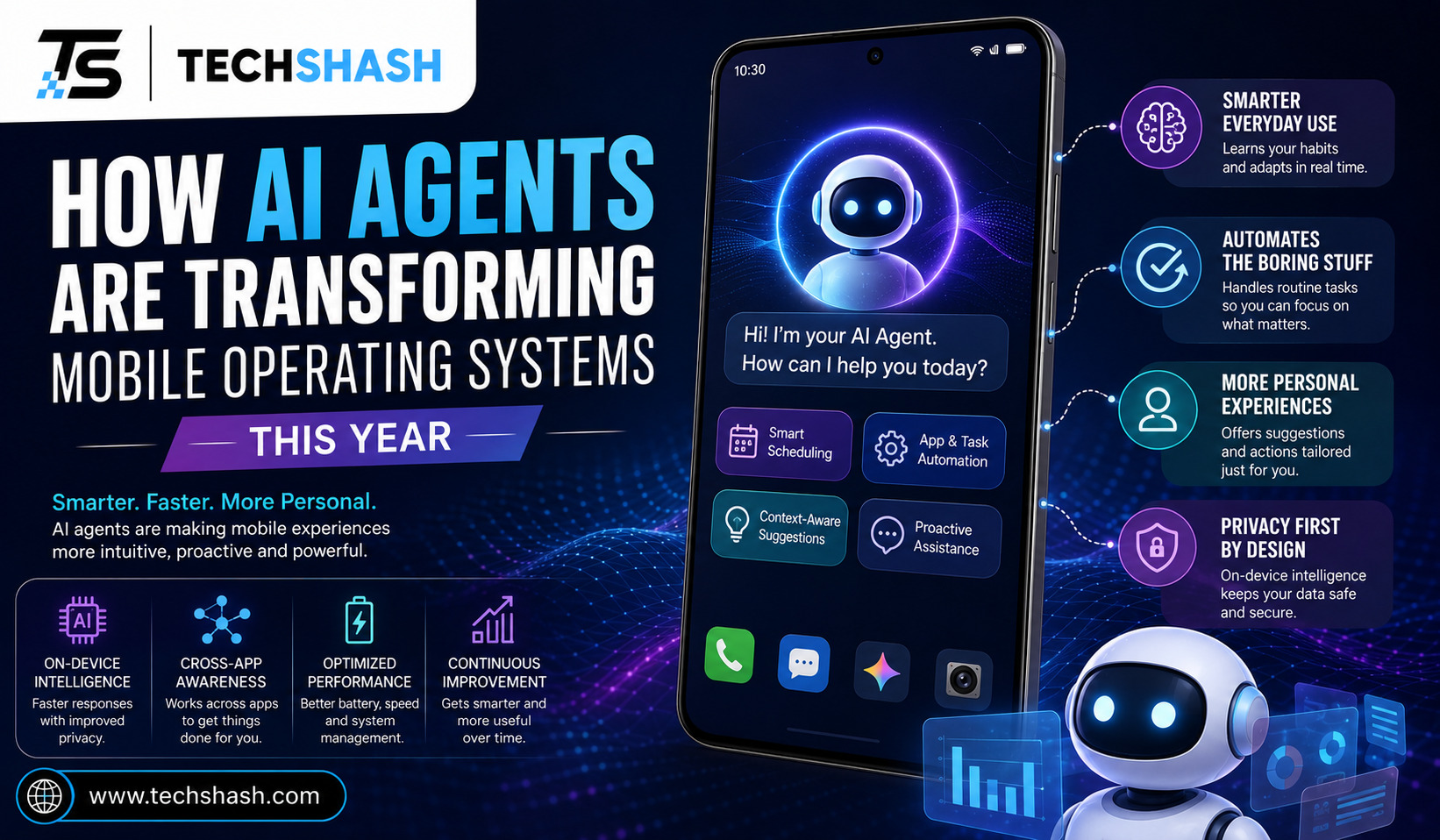
Computers used to require rigid typed commands and precise mouse clicks just to perform basic everyday tasks. Today, modern software speaks back to users like a thoughtful partner and remembers personal conversation history over long periods.
This major technological shift shows how AI companion apps are altering the way people communicate with software every single day. In this guide, we will explore this evolution in full detail, explaining how software is becoming more conversational, empathetic, and useful.
1. The Rise of Personal Digital Companions
Early computer systems acted like glorified calculators that strictly followed basic rules. You entered input data into a spreadsheet or typed a command, and the machine gave you a fixed output without any personality.
As processing power grew, software engineers began building tools that could understand standard human speech patterns. Modern programs now rely on advanced natural language processing, allowing them to recognize context, intent, and subtle conversational cues.
These advancements turned simple helper tools into continuous digital partners. People no longer view software as just a utility tool, but as an interactive presence that helps manage daily life.
Early Chatbots Versus Modern Artificial Intelligence
Older automated software could only select responses from a tiny pre-written menu of answers. If a user asked a question outside of that limited script, the program failed immediately.
Modern AI companion apps use vast language models to construct original sentences on the spot. They adapt to how a user speaks, picking up on unique phrasing and personal preference over time.
Why People Turn to Digital Companions
Many users download AI companion apps to find quick answers, organize work, or practice new languages. Having a conversational assistant available at all times removes friction from daily learning.
Other users enjoy having a patient listener for creative brainstorming sessions. Unlike busy human friends, an artificial intelligence chatbot is always available to discuss ideas without getting tired.
2. From Command Buttons to Conversational Interfaces
For decades, using a computer meant learning a visual layout of icons, drop-down menus, and search bars. Users had to adapt their thinking to match how programmers designed the menu screens.
The growth of conversational AI flips this arrangement entirely around. Users can now tell the computer what they want in plain English, and the system executes the request instantly.
Replacing complex menus with conversational user interfaces makes technology feel much more natural for people of all skill levels. You do not need to hunt through settings menus when you can simply state your goals aloud.
Replacing Complex Menus with Natural Dialogue
Finding a hidden file or setting inside a computer operating system used to take multiple steps. You had to open subfolders, adjust preferences, and click tiny checkboxes.
With conversational technology, you simply tell your screen to locate a document from last Tuesday. The computer understands your request and presents the file right away without extra clicking.
Context Awareness in Daily Tasks
Traditional software forgets what you did the moment you close the application window. Every new session starts from scratch, forcing you to re-enter your preferences over and over.
AI companion apps retain memory of past chats, projects, and personal goals. This ongoing awareness means the software gets smarter and more relevant the longer you interact with it.
3. The Emotional Connection Between Humans and Software
Human beings naturally project personality onto objects that talk back to them. When software speaks in a warm, polite tone, users begin treating the application like a real conversational partner.
This shift creates unique psychological bonds between humans and artificial entities. While users know the app is built of code, the feeling of being heard creates genuine emotional comfort.
Psychologists note that these interactions can form parasocial emotional bonds between users and digital agents. People feel safe sharing thoughts with software that never judges or interrupts them.
Active Listening and Memory Retaining Capabilities
A core reason users form strong connections with AI companion apps is active listening behavior. The application responds directly to your specific feelings rather than offering generic advice.
If you mention feeling stressed about an upcoming work meeting, the app remembers that event later. Asking how the meeting went creates a strong sense of personal attention.
Managing Loneliness and Social Isolation
Social isolation affects millions of people around the world every day. For individuals who live alone or have limited mobility, talking to a digital companion offers steady social stimulation.
While software cannot replace real human relationships, it provides a supportive environment for daily conversation. It helps users practice social interactions and express their thoughts without fear of rejection.
4. Accessibility and Daily Assistance for Diverse Users
Navigating physical keyboards and touchscreens is often difficult for elderly individuals or people with physical disabilities. Small icons and complex navigation pathways create frustrating barriers to technology.
Voice-enabled AI companion apps remove these barriers by making speech the primary control method. Users can send messages, search the internet, and control smart home devices using simple spoken words.
Providing hands-free voice interaction gives millions of people greater independence in their daily routines. Anyone who can speak can now utilize advanced computing power without touching a keyboard.
Voice Control for Individuals with Physical Disabilities
For individuals with motor impairment or vision loss, traditional software interfaces are hard to operate. Screen readers help, but they often feel clunky and slow during complex web searches.
An intelligent assistant acts as an active operator for the user. It can summarize long articles, compose emails, and manage daily schedules through plain voice commands.
Simplifying Complex Tasks for Beginners
Learning how to use computer software used to require reading long instruction manuals or watching tutorials. Many beginners gave up out of frustration with complex settings menus.
AI companion apps allow users to ask for help directly inside the interface. If you do not know how to format a spreadsheet table, you can ask the app to do it for you in plain language.
5. Privacy and Ethical Concerns in AI Interaction
As users share personal details with digital companions, data security becomes an urgent concern. These applications process vast amounts of personal conversation data to maintain context and remember user preferences.
Tech companies must safeguard this information from unauthorized access and data breaches. Strong data privacy and encryption protocols are necessary to protect sensitive user conversations from being leaked or sold.
Users must also remain aware of how their personal information is stored and used. Understanding privacy settings helps consumers protect their personal data while using digital assistant tools.
Personal Data Collection and Storage Safety
To provide personalized responses, AI companion apps store records of your conversations on cloud servers. If those servers lack strict protection, private user details could become exposed to hackers.
Reputable developers use end-to-end encryption and anonymization techniques to secure conversation logs. Responsible companies let users clear their chat history and delete saved memory files whenever they wish.
Avoiding Excessive Psychological Reliance
While digital companions offer help and entertainment, over-reliance on software carries real psychological risks. Relying entirely on an app for emotional support can lead to social withdrawal from real-world friends and family.
Developers must design software that encourages healthy real-life social habits. Software should act as a helpful tool rather than a complete replacement for human relationships.
6. How AI Companion Apps Are Changing Human-Computer Interaction for Good
The evolution of digital companions is moving beyond text boxes on a screen. Future software will combine voice, video, visual recognition, and motion into unified personal companions.
Next-generation systems will look at images through your smartphone camera and answer questions about physical objects in real time. They will detect emotional tones in your voice and adjust their responses accordingly.
Adopting multimodal artificial intelligence models allows software to interact with the physical world alongside human users. This blending of real and virtual elements marks a brand new era for computing.
Multimodal Communication Beyond Text
Future companion apps will not rely solely on typed text messages. You can hold up your phone camera to a broken bike chain, and the app will walk you through repairs step by step.
This combination of sight, sound, and text makes problem-solving far faster and more intuitive. Software will truly see and hear the environment just like a human helper.
The Future of Personalized Virtual Assistants
As software becomes more personalized, your digital companion will follow you across different hardware devices. The same assistant will help you on your computer at work, inside your car, and on your home TV.
This steady presence will create unified experiences across all modern technology. Instead of learning ten different operating systems, you will simply talk to one intelligent companion that manages everything for you.
Key Takeaways
- Natural dialogue replacing menus: Users can control computers using plain conversational language instead of navigating complex visual menus.
- Continuous memory and context: Modern applications remember past interactions, making conversations more personalized over time.
- Improved accessibility: Spoken interaction allows elderly and disabled individuals to use advanced computing technology easily.
- Important privacy considerations: Protecting personal conversation data requires strong encryption and clear user controls.
- Multimodal future capabilities: Next-generation assistants will process text, voice, and live video simultaneously to assist with real-world tasks.
FAQs
What are AI companion apps?
AI companion apps are software programs that use natural language processing to engage in human-like conversations, assist with tasks, and provide personalized digital interaction.
How do AI companion apps differ from standard voice assistants?
AI companion apps hold long continuous conversations and retain contextual memory of past interactions, whereas standard voice assistants primarily carry out basic one-step commands.
Are interactions with AI companion apps private?
Most reputable applications encrypt user conversation data, but users should always check privacy policies to see how personal information is saved and processed.
Can AI companion apps replace human relationships?
AI companion apps provide helpful social stimulation and productivity support, but they cannot replace genuine human empathy, shared physical experiences, and emotional depth.
Do I need special technical skills to use an AI companion app?
You do not need any technical training because these applications communicate through simple everyday language and basic voice commands.
Conclusion
The growing adoption of AI companion apps marks a fundamental shift in how people connect with digital tools. Software is no longer just a cold machine that waits for rigid menu selections; it has become an active, conversational partner that adapts to human needs. By breaking down technical barriers and making computing accessible through natural dialogue, these tools are making technology more helpful for everyone. As developers prioritize user privacy and balanced design, AI companion apps will continue to refine human-computer interaction for generations to come.