
Buying a new flagship smartphone requires careful timing and solid information. Apple fans looking forward to the next generation of smartphones want clear facts about hardware changes and cost updates. The upcoming iPhone 18 Pro promises significant internal changes, including a smaller chip manufacturing process and upgraded camera hardware. This detailed guide covers every leaked detail, release rumor, price projection, and technical specification currently available for these top-tier mobile devices.
1. Expected Release Date and Announcement Timeline for iPhone 18 Pro
Apple follows a strict schedule when presenting premium mobile phones to the public each autumn. Industry insiders point toward September 9, 2026 as the target unveiling date for the annual press event. Pre-orders usually open on the Friday following the presentation, which aligns with mid-September. Retail store availability typically begins seven to ten days after the initial announcement.
Pre-Order and Store Availability Dates
Buyers can prepare their store accounts early to secure initial shipment batches. Online orders usually start during early morning hours in Pacific Time.
- Event Announcement Date: Early September 2026
- Pre-Order Launch: Mid-September 2026
- Global Retail Availability: Late September 2026
Production lines in Asia have already scaled up component orders to prevent stock shortages. Supply chain checks show no major assembly delays for the primary Pro devices. Higher tier models should reach global buyers simultaneously without regional staggered release dates.
2. Price Leaks and Storage Options Across Regions
Rising component costs for memory chips and advanced silicon nodes are pushing retail prices higher. Market analysts expect a modest price increase for international markets while North American base prices may hold steady. Base storage across all premium models will begin at 256 GB, fully dropping the older 128 GB tier.
Regional Cost Breakdown
Pricing strategy varies by market tax structures and local currency shifts. Rising memory costs linked to global data center demand have added pressure on retail figures.
- United States Base Price: Approximately $1,099 for the 6.3-inch variant and $1,199 for the larger 6.9-inch version.
- Indian Market Price: Estimates place the 256 GB model near ₹1,39,900 for the base Pro model and around ₹1,54,900 for the larger counterpart.
- Top Storage Tier: A 2 TB capacity option will remain available exclusively on the larger edition.
Storage configurations will span 256 GB, 512 GB, 1 TB, and 2 TB options. Power users who record spatial video or uncompressed video formats will need at least 512 GB of internal space. High storage capacity tiers will see the largest price adjustments compared to previous annual releases.
3. A20 Pro Chip: Performance and 2nm Node Upgrades
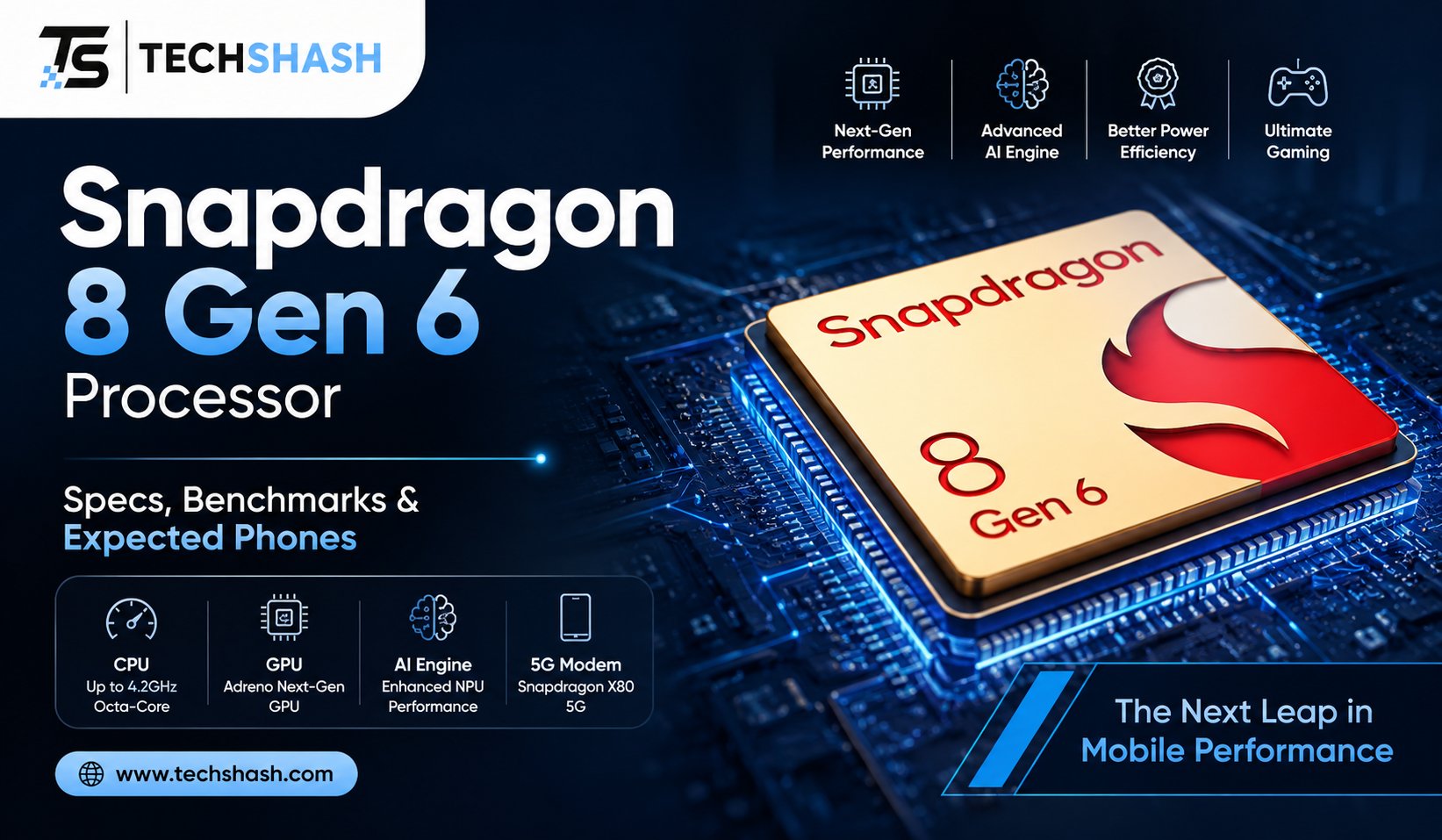
Internal performance takes a huge leap forward thanks to new semiconductor manufacturing methods. Apple is partnering with TSMC to build the main system processor using a TSMC 2nm fabrication node for improved power handling. Smaller transistor sizes mean more processing units fit into the same physical area.
Memory Architecture Improvements
System memory increases to 12 GB RAM across both flagship sizes. This extra memory supports complex artificial intelligence tasks processed directly on the device.
- Compute Speed: Early benchmark leaks point to a fifteen to eighteen percent rise in raw CPU speeds.
- Energy Efficiency: Power consumption during heavy workloads could drop by up to thirty percent.
- Unified Packaging: RAM sits directly on the same silicon wafer as the main processor to lower data transfer lag.
Gaming enthusiast groups will notice reduced frame drops during extended gameplay sessions. Thermal dispersion materials inside the chassis will keep operating temperatures stable under load. Operating system features in iOS 27 will rely heavily on this updated processing engine.
4. Variable Aperture Camera System and Lens Changes
Mobile photography enthusiasts will find the biggest physical hardware update inside the main lens module. Apple plans to introduce a variable aperture main camera sensor to allow manual control over light collection. Physical aperture blades inside the camera opening expand or shrink based on shooting environment needs.
Sensor and Lens Specifications
All three rear cameras will use 48 MP resolution sensors to maintain image consistency across zoom levels. The front selfie camera remains an 18 MP unit with wide focus capabilities.
- Main Lens: 48 MP Sony IMX905 sensor with physical adjustable opening mechanism.
- Telephoto Lens: 48 MP Sony IMX973 sensor offering enhanced light intake for zoom photography.
- Ultra-Wide Lens: 48 MP Sony IMX972 sensor for detailed macro photography and wide landscape views.
Low light photography improves because the wider physical opening lets in significantly more natural light. Close-up portraits gain a natural background blur without relying entirely on digital software processing. Some sources suggest the mechanical aperture control may remain exclusive to the larger 6.9-inch device due to space requirements.
5. Display Upgrades, Sizes, and Dynamic Island Design
Screen dimensions stay consistent with the previous generation at 6.3 inches and 6.9 inches respectively. Apple continues using Samsung M16 OLED panel materials to ensure high brightness levels and accurate color reproduction. The top display cutout grows smaller as internal sensors move under the glass surface.
Panel Quality and Face ID Updates
Engineering teams have refined the front glass assembly to shrink the cutout area. Ceramic Shield 2 protection guards the front screen against accidental drops and surface scratches.
- Screen Sizes: 6.3-inch panel on the standard variant and 6.9-inch panel on the Max variant.
- Display Refresh Rate: Smooth LTPO panel shifting automatically between 1 Hz and 120 Hz.
- Visual Notch Redesign: Reports indicate a thirty-five percent smaller Dynamic Island cutout on top of the display.
Anti-reflective glass coatings will reduce glare under direct sunlight when viewing photos outdoors. Display borders remain uniform and ultra-thin around all four screen edges. Reading text outdoors during bright afternoon hours will feel comfortable on the eyes.
6. Battery Capacity, Apple C2 Modem, and Charging Speed
Battery endurance gets a twin boost from larger physical cells and smarter power management hardware. The internal cell inside the larger model expands toward a maximum 5,567 mAh battery capacity on eSIM-only regional variants. Physical SIM tray models will carry slightly smaller physical cells to fit internal components.
In-House Modem Transition
Qualcomm network chips are being replaced by custom internal wireless hardware. The second-generation C2 custom modem handles cellular data connections while drawing less power from the battery.
- Network Hardware: Apple C2 custom modem with enhanced 5G satellite communication features.
- Wired Charging: USB Type-C 3.2 Gen 2 port supporting faster wired power input speeds.
- Wireless Options: MagSafe magnetic charging alignment and Qi2 wireless standard compatibility.
Cellular signal locks in weak coverage zones will improve without draining energy rapidly. Users who spend long days away from wall outlets can expect reliable full-day operation. Fast charging can replenish half of the battery capacity in roughly twenty minutes with appropriate power bricks.
Key Takeaways Box
- Target Launch Date: Official unveil expected on September 9, 2026.
- Processor Architecture: Built using TSMC 2nm node with an A20 Pro processor and 12 GB RAM.
- Camera Innovation: Primary 48 MP lens features a physical variable aperture system.
- Network Chipset: Includes the custom in-house Apple C2 modem for lower energy consumption.
- Battery Endurance: Top capacities reach up to 5,567 mAh on select eSIM configurations.
FAQs
What is the expected release date for the iPhone 18 Pro?
Apple is widely expected to announce the new flagship series on September 9, 2026.
Will the iPhone 18 Pro cost more than earlier models?
Price increases are anticipated in international regions due to rising memory chip costs, though base prices in North America may stay steady.
What chip will power the new flagship models?
Both upcoming Pro models will run on the new Apple A20 Pro chipset built on a 2nm process node.
Does the camera feature a variable aperture lens?
Yes, leaks indicate a 48 MP main camera with an adjustable physical aperture mechanism for better light control.
How much RAM will be installed in these devices?
Apple is equipping both premium variants with 12 GB of RAM to handle advanced artificial intelligence features.
Conclusion
The upcoming iPhone 18 Pro series brings substantial mechanical and silicon upgrades to the flagship lineup. Key advances like the 2nm A20 Pro processor, variable aperture main camera, integrated C2 modem, and expanded battery cells offer genuine value for users planning an upgrade. Keep these verified hardware details and pricing expectations in mind as the official launch date approaches.