Smartphones get more expensive every year while new features become smaller and less exciting. Many buyers now look for better choices that protect both their bank account and the environment. Choosing buying refurbished flagships offers a smart way to get top technology without paying top prices.
This detailed guide explains how purchasing pre-owned premium devices creates positive financial savings and protects natural resources. You will learn how refurbished electronics work, why they lower electronic waste, and how to pick the right device safely.
1. Understanding What Refurbished Flagships Really Are
A refurbished flagship is a premium smartphone that a customer returned or traded in. The manufacturer or a certified seller inspects, cleans, repairs, and repackages the phone before selling it again.
These devices differ completely from standard used phones sold on classified websites. Used devices are often sold directly by individuals without any guarantee or technical check.
Factory Restored Devices vs Used Electronics
Certified refurbishers replace worn parts like batteries or screens with original hardware. Technicians test the internal circuits, camera sensors, buttons, and speakers to match original factory standards.
Refurbished devices also come with clean storage drives and updated software. Buyers receive a phone that functions just like a brand new model right out of the retail box.
Purchasing a restored device eliminates the guesswork associated with random second-hand sales. You receive a device that experts have restored to proper working order.
Detailed Inspection and Testing Processes
Professional technicians follow strict checklists during the renewal process. They run software diagnostics to check battery performance, wireless connectivity, touch response, and charging speeds.
If any component fails the test, the technician replaces that specific part immediately. The internal components must meet strict benchmarks before the device receives approval for resale.
Cleaning processes remove dust from speaker grills and charging ports. The exterior body receives complete sanitization to ensure high hygiene standards for the new owner.
Grading Scales for Pre-Owned Phones
Sellers assign a clear cosmetic grade scale to show buyers the exact visual condition of the outer case. Grade A devices look almost brand new with no visible scratches or marks on the body.
Grade B devices might feature minor cosmetic flaws on the metal frame that a protective case easily covers. Grade C devices show noticeable wear but operate with full functional performance.
Clear grading lets buyers pick the exact balance between visual appearance and price savings. You pay only for the cosmetic condition you are comfortable owning.
2. Massive Upfront Savings on Premium Smartphone Hardware
Brand new flagship phones often cost over one thousand dollars at initial launch. Purchasing a refurbished flagship lets buyers skip the heavy price tag while keeping all top features.
Smartphones lose value faster during their first twelve months of release than at any other point. A buyer who chooses a model from last year saves a huge amount of cash immediately.
Avoid Steep First-Year Depreciation
New tech hardware experiences sharp price drops as soon as the next model comes to retail shelves. Retail stores discount older stock, but the refurbished market drops prices even further.
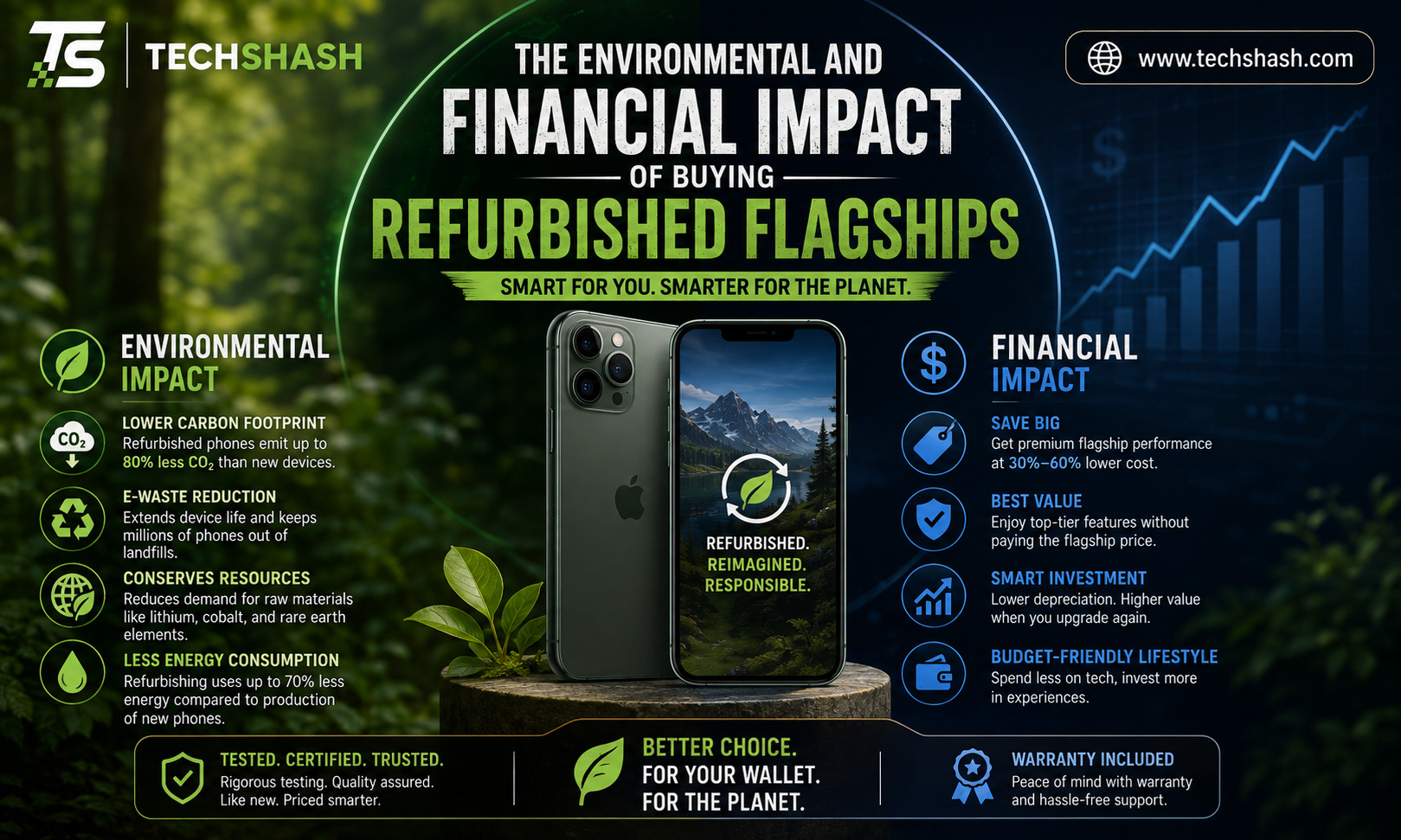
Buyers frequently save anywhere from thirty percent to fifty percent off retail price on devices that are only one year old. That price drop allows consumers to keep money in their savings account.
The financial savings become even larger for buyers who upgrade every two or three years. Keeping extra cash in your pocket gives you freedom to spend on other household needs.
High-End Features at Mid-Range Prices
Mid-range phones often sacrifice camera quality, processor speed, or display clarity to keep prices low. Buying a refurbished former flagship gives you top components for the price of a budget device.
You get bright OLED displays, glass body designs, fast processors, and superior camera lenses. Budget phones made of cheap plastic cannot match the durability and speed of a top device.
Higher build quality ensures that luxury hardware feels premium in your hand for years. Premium materials resist daily wear better than low-cost plastic components.
Long-Term Value and Slower Obsolescence
Flagship smartphones receive software support from major manufacturers for five to seven years. Budget phones often lose operating system updates after just two years of use.
Extended software support ensures your refurbished phone stays fast, secure, and compatible with modern mobile applications. You do not need to replace your hardware every two years to stay up to date.
Investing in high-grade hardware yields a lower cost per year of ownership. Your money stretches further over the total operational lifespan of the product.
3. Reducing Electronic Waste and Protecting the Planet
Electronic waste is currently one of the fastest growing trash streams across the globe. Millions of old phones end up in trash bins every single year as people upgrade to newer models.
Buying refurbished flagships keeps working electronics out of garbage dumps. Extending the life of a single phone prevents heavy metals from leeching into local groundwater.
Keeping Electronics Out of Local Landfills
Discarded smartphones create massive piles of hazardous trash that local sanitation systems struggle to manage. Many discarded phones sit in home drawers before eventually ending up in municipal trash heaps.
Refurbishing creates an active secondary market that keeps hardware circulating among consumers. Old phones stay in pockets and on desks rather than in waste containers.
Every pre-owned device purchased represents one less unit adding to global landfill volume. Small individual choices combine to create major reductions in solid waste.
Extending the Useful Life of Devices
Most flagship phones retain powerful hardware capable of working well for five years or longer. Consumers often replace phones simply due to minor battery wear or small screen scratches.
Refurbishing replaces those worn parts and returns the device to operational health. Giving a smartphone a second or third owner doubles its active operational lifespan across different users.
When a device stays in use longer, total global phone production decreases over time. Smaller production demands mean fewer factory resources consumed each year.
Preventing Toxic Soil and Water Pollution
Smartphones contain toxic substances such as lead, mercury, and cadmium inside their circuit boards. When discarded improperly, these chemical elements break down and contaminate nearby agricultural soil and rivers.
Reusing existing hardware keeps those hazardous materials safely sealed inside active devices. You protect local ecosystems by keeping dangerous chemicals out of municipal dumps.
Clean water sources and fertile farming soil depend on responsible waste management practices. Extending hardware life is one of the easiest ways consumers can protect local ecosystems.
4. Slowing Down Rare Earth Element Mining and Resource Extraction
Manufacturing a single smartphone requires extracting valuable minerals from deep inside the earth. Digging for these materials consumes vast amounts of electricity and destroys natural wildlife habitats.
Refurbished flagships reduce the demand for fresh mineral extraction. Reusing existing circuit boards preserves rare materials that exist in limited supply across our planet.
The Environmental Cost of Raw Material Mining
Smartphones rely on precious metals like gold, silver, copper, and palladium for electrical connections. Gathering these metals requires heavy industrial mining operations that clear large forest areas.
Mining operations pollute local water systems through chemical runoff and heavy machinery emissions. Soil erosion around mining zones destroys farmland and displaces indigenous wildlife populations.
Choosing a refurbished device removes the need to mine fresh raw materials for your daily technology needs. You help protect natural landscapes simply by picking pre-owned hardware.
Preserving Finite Metals and Minerals
Rare earth elements such as neodymium, dysprosium, and cobalt power tiny phone speakers, vibration motors, and batteries. These minerals exist in small quantities and require intense energy to refine.
Cobalt mining in particular causes major environmental disruption and human labor concerns in developing regions. Reusing existing batteries and motors reduces the pressure on mineral mines worldwide.
Preserving finite elements ensures future generations still have access to essential natural resources. Sustainable tech habits start with reducing raw material demand across the consumer electronics market.
Reducing Habitat Destruction and Deforestation
Open-pit mining for smartphone minerals destroys thousands of acres of tropical rainforest every year. Tree removal leads to severe biodiversity loss and increases soil erosion in vulnerable ecosystems.
When consumers buy pre-owned technology, overall factory demand for raw timber and cleared land drops. Preserving natural forests helps maintain critical habitats for endangered animal species.
Healthy forests absorb carbon dioxide from our atmosphere and regulate local weather patterns. Reducing mining pressure keeps natural habitats intact for wildlife.
5. Lowering Total Carbon Footprint Across Supply Chains
The carbon footprint of a smartphone does not come mostly from charging its battery at night. The vast majority of greenhouse gas emissions happen before the phone ever reaches a store shelf.
Factories consume massive amounts of fossil fuels to melt metals, shape glass, and build silicon microchips. Buying refurbished flagships avoids the large industrial carbon footprint of making new devices.
High Carbon Cost of Phone Manufacturing
Roughly eighty percent of a smartphone’s total lifetime carbon footprint occurs during original factory assembly. High-temperature furnaces and cleanroom facilities run continuously on electrical grids powered by fossil fuels.
Manufacturing a single new phone releases up to eighty kilograms of carbon dioxide into the atmosphere. Buying a refurbished phone requires only a tiny fraction of that processing energy.
Refurbishing involves minor energy use for testing, small component replacement, and simple packaging. The overall carbon savings of eighty percent lower carbon emissions make refurbished devices an eco-friendly choice.
Energy Savings in Logistics and Shipping
New phones travel thousands of miles across global supply chains before arriving at your door. Raw materials ship to processing plants, components travel to assembly hubs, and finished products ship worldwide.
This complex global transport network burns immense amounts of jet fuel and diesel fuel. Refurbished devices often travel through local or national supply chains, reducing fuel burn.
Shorter shipping routes mean less pollution released into the air during transit. Supporting local refurbishers reduces global trade emissions significantly over time.
Cutting Industrial Electricity Demands
Silicon chip fabrication plants require immense amounts of electricity and purified water to make processors. Running cleanrooms and high-precision lasers demands continuous electrical energy.
Reusing existing processors eliminates the need to run energy-intensive silicon foundries for new chips. Lowering industrial electricity usage reduces reliance on power plants that burn fossil fuels.
Conserving electrical energy at the manufacturing level combats atmospheric warming. Reusing microchips is an effective way to cut industrial energy demands.
6. Smart Tips for Safely Purchasing Refurbished Flagships
Buying pre-owned technology requires a little research to ensure you get a reliable device. Following simple safety steps helps you avoid poor sellers and find high-quality refurbished flagships.
Always purchase devices from established retailers or official manufacturer outlets. Trusted sellers provide clear guarantees and detailed product descriptions for every item.
Check Warranty Coverage and Return Policies
Never buy a refurbished device without a solid written warranty policy from the seller. Reputable refurbishers offer at least ninety days of warranty coverage, while top outlets offer a full year.
A good warranty shows that the seller trusts their technical inspection process. Make sure the seller also offers a clear return window if the phone does not meet your expectations.
Read customer reviews carefully before completing your online purchase. Verified buyer feedback reveals how well the seller handles returns and customer service requests.
Verify Battery Health and Carrier Compatibility
Batteries degrade naturally over time as they go through charging cycles. Ensure the refurbisher guarantees a minimum battery capacity, preferably eighty percent or higher.
If battery capacity falls below that standard, ask if the seller can install a fresh battery. A strong battery ensures your phone lasts throughout busy workdays without needing constant charging.
Check network compatibility to ensure the phone works on your wireless carrier. Buying an unlocked phone hardware model gives you the freedom to switch network providers whenever you want.
Buy Certified Hardware from Trusted Outlets
Official manufacturer stores often sell certified refurbished products that include brand new outer shells and fresh batteries. These devices offer factory quality while keeping prices low.
Major online retailers also feature certified refurbishing programs with strict standards for sellers. Avoid buying from individual online sellers who refuse to provide diagnostic reports.
Verifying certification guarantees that your hardware underwent proper inspection and cleaning. Protecting your purchase ensures you enjoy your device without technical problems.
Key Takeaways
- Huge Savings: Buying pre-owned premium devices saves up to fifty percent compared to original retail prices.
- E-Waste Reduction: Reusing electronics keeps toxic heavy metals out of local landfills and municipal water supplies.
- Resource Conservation: Refurbished hardware slows down rare earth element mining and preserves finite minerals.
- Lower Carbon Footprint: Reusing phones cuts manufacturing greenhouse gas emissions by up to eighty percent per device.
- Smart Shopping: Always select certified sellers that offer clear warranties, return options, and high battery health ratings.
FAQs
What is the main difference between a used phone and a refurbished flagship?
A refurbished flagship undergoes technical testing, cleaning, and repairs by professionals, whereas a used phone is sold directly by an owner without any hardware guarantee.
Do refurbished flagships come with warranty coverage?
Most certified refurbishers provide a warranty ranging from ninety days to one full year to protect buyers against hardware defects.
Will a refurbished flagship have a degraded battery?
Reputable refurbishers test battery health and replace cells that fall below eighty percent of their original capacity before selling the phone.
How much money can I save by buying a refurbished flagship?
Buyers typically save between thirty and fifty percent compared to the original retail price of a brand new flagship smartphone.
Are refurbished flagships good for the environment?
Purchasing pre-owned hardware reduces electronic waste, prevents toxic chemical leaks in landfills, and lowers manufacturing carbon emissions.
Conclusion
Choosing pre-owned high-end smartphones delivers incredible benefits for your budget and the environment. You save hundreds of dollars while keeping toxic electronic waste out of landfills and reducing global manufacturing emissions. Purchasing refurbished flagships gives you top performance and long-term value without compromising on quality. Smart tech consumers can enjoy premium mobile experiences while actively protecting natural resources for the future.