
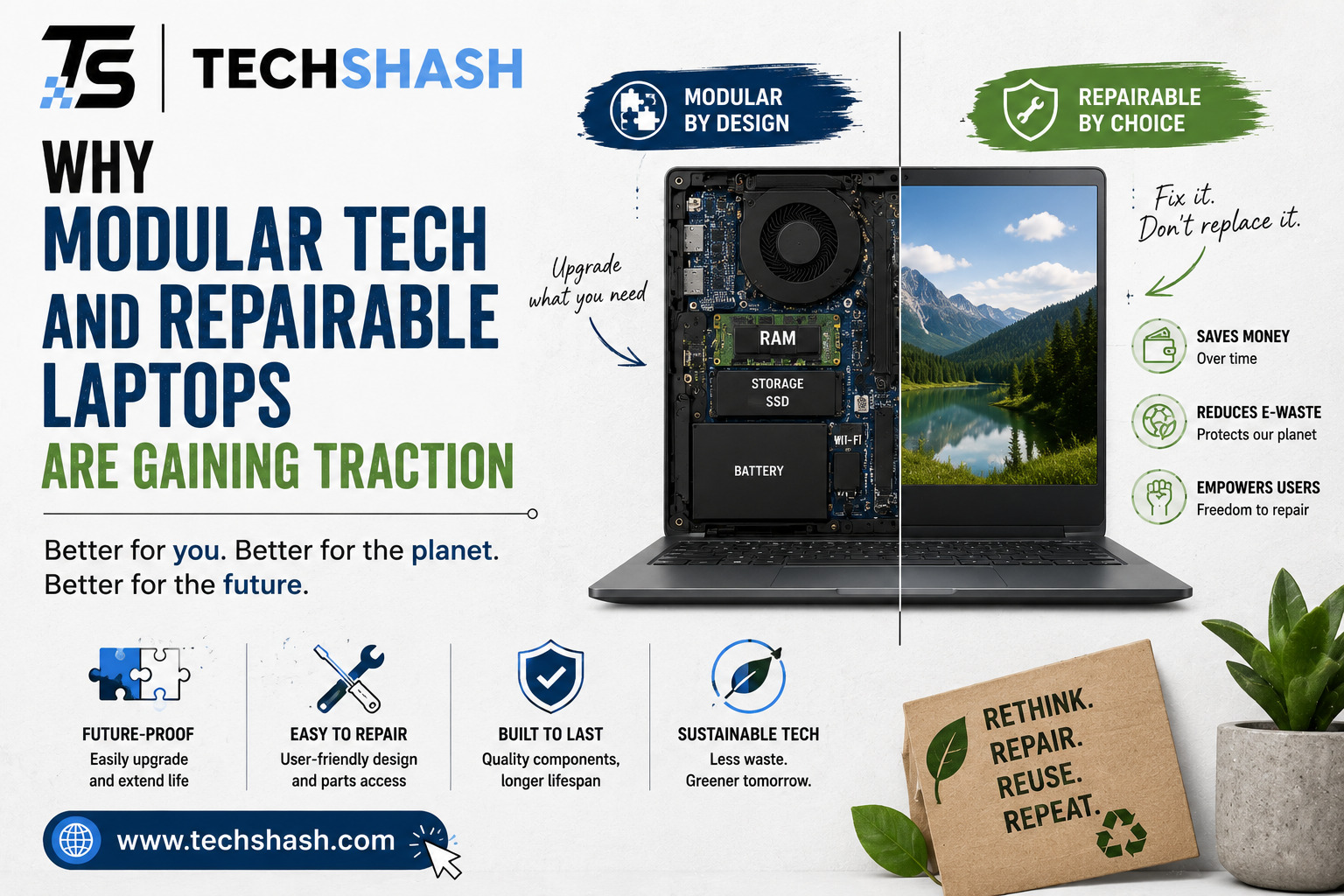
Computer hardware design has shifted dramatically over the past two decades. Most thin notebooks now glue components together, making simple fixes nearly impossible for average users. Buyers frequently throw away entire machines when a single internal part fails.
Consumer interest in repairable laptops is rising fast as people seek longer-lasting computers. Buyers want devices that allow easy hardware upgrades without forcing them to spend thousands of dollars on a brand-new system. Environmental concerns also push users toward modular technology that reduces electronic waste.
Understanding how repairable laptops function helps consumers make smart purchasing decisions. This comprehensive guide covers why modular hardware is gaining momentum, how legislative policies are changing, and what the future holds for sustainable personal electronics.
1. The Growing Problem of Electronic Waste
Discarded electronics represent one of the fastest-growing waste streams on the planet. Millions of tons of broken devices enter municipal landfills every single year. Tiny components contain toxic heavy metals like lead, cadmium, and mercury that can leach into local water supplies.
Toxic Materials and Disposal Issues
Circuit boards and lithium batteries contain chemical elements that require special industrial processing. Standard municipal garbage collection cannot safely process these complex materials. When consumer electronics end up in regular landfills, toxic runoff threatens surrounding ecosystems and human health.
The Throwaway Culture in Personal Tech
Manufacturers built business models around frequent replacement cycles for many years. Glued casings make replacing a dead battery far too complex for average users. As a result, consumers dump functional hardware into trash bins simply because one internal component stops working.
Short software support cycles aggravate this disposal trend even further. Operating system updates often demand higher hardware capabilities, turning older notebooks into obsolete units overnight. Electronic waste volumes continue to surge globally as a direct result of unrepairable device engineering.
Promoting long-term device maintenance provides a practical solution to this crisis. Keeping computer hardware operational for several extra years prevents tons of toxic waste from entering landfills.
2. Key Features of Repairable Laptops and Modular Devices
Modular hardware relies on accessible components that owners can swap without special technical tools. Engineers organize internal parts into distinct blocks that plug together smoothly inside the chassis.
Swappable Ports and Upgradeable Storage
Standard notebooks solder solid-state drives directly onto main circuit boards. In contrast, repairable laptops utilize standard slots that allow simple storage upgrades. Users can swap out damaged charging ports or add extra storage drives within minutes.
Modular port cards allow owners to choose their preferred layout of connections. A user can install USB ports, HDMI video connectors, or display ports depending on current daily needs. Swapping input ports requires no soldering iron or advanced technical knowledge.
Socketed Processors and Memory Modules
Memory chips often sit in removable slots rather than permanent solder points. Upgrading system memory requires only a basic screwdriver and ten minutes of effort. Owners easily double their memory capacity to handle demanding software applications.
Replacing a broken processor or mainboard becomes a straightforward home task instead of an expensive factory repair. Quick access screws and labeled internal cables guide users through component replacement steps. Building devices around standardized modular parts allows owners to customize hardware as personal computing needs change.
3. Financial Advantages for Long-Term Laptop Owners
Purchasing modern computers costs a significant amount of money for students and working professionals. Keeping a device functional for five to seven years creates massive financial savings over time.
Lower Long-Term Repair Costs
Fixing a soldered motherboard at an official repair center often costs as much as a new computer. Replacing a single failing port module on repairable laptops costs only a fraction of that amount. Users keep more money in their bank accounts by repairing individual pieces.
Independent repair shops can work on modular designs without purchasing proprietary tools. Lower labor times mean cheaper service bills for consumers who prefer not to fix devices themselves. Modular design democratizes maintenance by eliminating forced manufacturer repair monopolies.
Extending Device Lifespan
Software requirements increase every year, causing older machines to slow down under heavy workloads. Upgrading system memory or installing a larger storage drive restores fast operation without buying a brand-new computer. Users can replace aging batteries after three years to restore full unplugged working hours.
Budget conscious buyers benefit immensely from gradual hardware upgrade paths. A student can buy an entry-level machine today and upgrade processor modules two years later when funds permit. Extended hardware lifespans translate directly into long-term financial savings for consumers worldwide.
4. Policy Changes and Right to Repair Regulations
Government leaders around the world are passing laws to protect consumer repair rights. Lawmakers recognize that restrictive repair practices hurt both environment and consumer wallets.
European Union Directives
European legislators lead global efforts by mandating available spare parts for consumer electronics. New rules require manufacturers to supply repair manuals and original parts for several years after product release. Companies must also provide clear repairability scores on product packaging to inform buyers.
Ecodesign regulations force manufacturers to eliminate unnecessary adhesive glue inside electronic casings. Standardized screws must replace custom tamper-proof fasteners on consumer devices. These legislative mandates ensure that repairable laptops become standard across European markets.
State Laws in the United States
Several American states have enacted comprehensive repair legislation in recent years. These regulations force tech companies to sell official diagnostic tools and original components to independent repair shops. Public pressure encourages major brands to adopt customer-friendly service policies.
Federal agencies are also investigating anti-competitive repair restrictions enforced by tech corporations. Regulators push for open access to repair software and technical schematics. Strong legal mandates encourage major brands to embrace right to repair compliance across global product lines.
5. Design Challenges and Potential Trade-Offs
Creating modular hardware presents genuine engineering obstacles for computer developers. Building repairable systems requires structural adjustments that alter the physical shape of devices.
Device Thickness and Weight
Glue and soldered chips allow manufacturers to create ultra-thin gadgets. Socketed connections and removable screws demand additional internal space inside the frame. Repairable laptops often measure a few millimeters thicker than fully sealed alternatives.
Added thickness provides space for proper air ventilation and sturdy physical connectors. Some buyers prefer slightly heavier machines if those devices offer easy serviceability. Balancing physical portability with hardware access remains a central focus for structural engineers.
Manufacturing and Production Costs
Designing custom modular connectors increases upfront research expenses for hardware brands. Production lines must handle separate sub-assemblies rather than single integrated main circuit boards. Initial retail prices for modular systems may sit slightly higher than mass-produced glued alternatives.
Standardizing internal connectors across different product generations requires careful long-term planning. Hardware brands must commit to long supply chains for spare parts over many years. Overcoming engineering design trade-offs requires creative structural planning and dedicated investment from hardware developers.
6. The Future Outlook for Sustainable Electronics
Industry trends indicate a permanent shift toward circular manufacturing models in personal computing. Technology companies face growing pressure from environmentally conscious buyers who demand repairable laptops.
Circular Economy Principles
Recycling materials back into production reduces raw mineral mining across the globe. Modular systems allow manufacturers to reclaim working sub-assemblies during device retirement. Reusing functional components reduces carbon emissions linked to semiconductor manufacturing.
Refurbishing programs become far more efficient when components unlock easily. Companies can harvest functioning screen panels, keyboards, and processors from old machines to build certified pre-owned units. Circular design transforms electronics manufacturing from a linear waste path into a closed system.
Open-Source Hardware Innovation
Independent tech companies share schematic blueprints freely with online developer communities. Open designs let third-party developers invent new expansion cards, specialized accessories, and custom enclosures. Creative tinkerers build unique add-ons like micro-controllers, smart card readers, or audio interfaces.
Community-driven hardware development speeds up technological innovation across the entire industry. Shared blueprints lower entry barriers for small hardware startups building eco-friendly gadgets. Supporting sustainable tech ecosystems ensures hardware remains functional for decades rather than years.
Key Takeaways
- Waste Reduction: Modular designs cut electronic waste by keeping working hardware out of municipal landfills.
- Cost Efficiency: Replacing individual components saves money compared to purchasing complete new computers.
- Legal Momentum: Right to repair legislation forces manufacturers to supply spare parts, tools, and manuals.
- Upgradability: Swappable memory, storage, and ports extend total device lifespans significantly.
- Design Balance: Repairable devices trade ultra-thin profiles for long-term serviceability and environmental benefits.
FAQs
What are repairable laptops?
Repairable laptops are personal computers designed with accessible, removable components that users can easily replace or upgrade without professional help.
Why are soldered components bad for consumers?
Soldered components prevent users from upgrading or repairing individual parts, forcing consumers to replace the entire computer when one piece fails.
Do repairable laptops cost more to buy initially?
Initial purchase prices for modular systems can be slightly higher due to specialized engineering, but lower maintenance costs save money over time.
How does the Right to Repair movement help everyday users?
Right to Repair legislation ensures that manufacturers provide original spare parts, diagnostic software, and repair guides directly to consumers and third-party shops.
Can modular tech perform as well as traditional thin laptops?
Modern modular systems deliver performance that matches traditional laptops while offering superior upgrade options and long-term durability.
Conclusion
Choosing repairable laptops helps consumers save money while actively reducing global electronic waste. Upgrading individual parts extends hardware usability and reduces reliance on brand-new equipment. Supporting sustainable engineering creates a healthier technology industry for everyone.